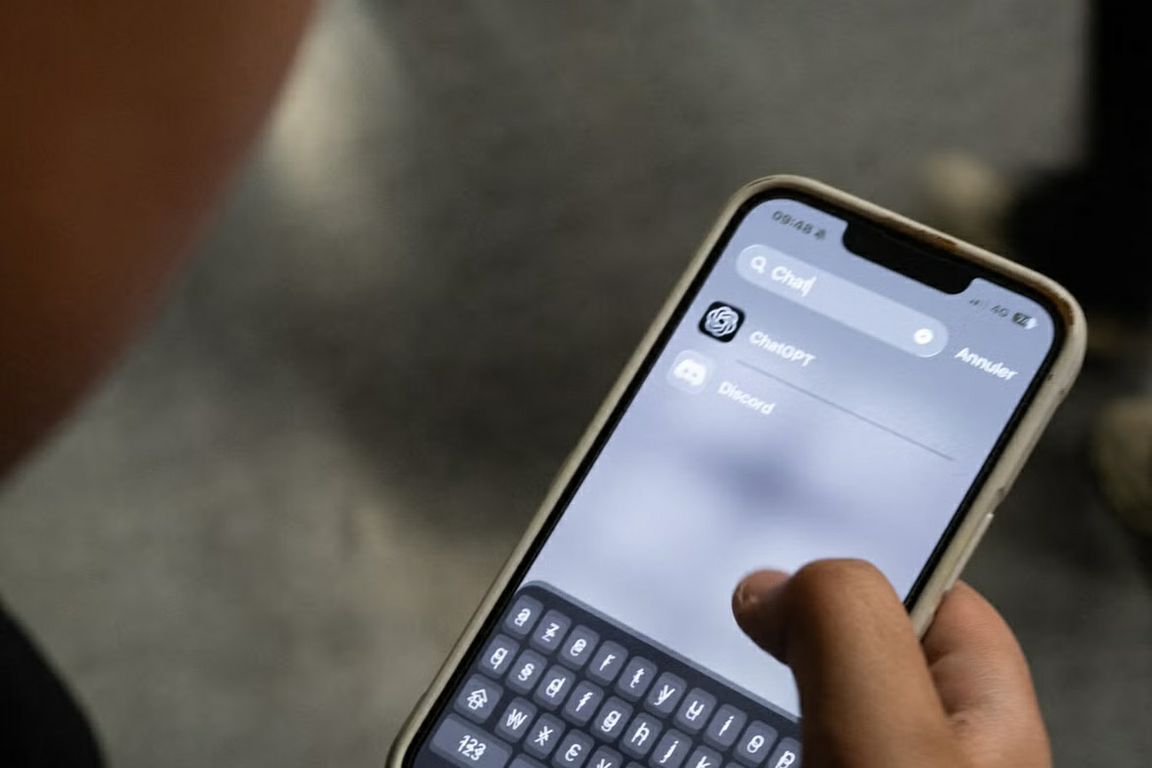
The Independent reported on a new UCLA study showing a statistically significant link between lower reading comprehension scores for children who own cellphones compared to those who don’t. The study, which followed third and sixth grade students, found the correlation to be true even if they never bring the devices to school. "We found that there's no age at which you can give a child a phone that's better or worse for reading comprehension, so it's just having a phone at all," lead author Patricia Greenfield, a UCLA psychology professor, said. (Also: Phys.org, KNBC-TV, KTTV-TV, KCAL-TV, and KCRW-89.9FM.) Read more about UCLA in today’s New York Times, SFGate and others.
More highlights from UCLA in the News: July 28, 2026
To recruit teachers, school districts are building homes | New York Times
Dana Cuff, a UCLA architectural professor focused on affordable housing who runs the cityLAB research center, has written reports on teacher housing projects. She said efforts to educate school districts about the intricacies and financial models behind development opportunities, like the ones run by the California School Boards Association, were helping educators handle housing development deals.
UCLA researchers turn to OnlyFans as their funding dries up | SFGate
For Daniel Blumstein, a professor in the Department of Ecology and Evolutionary Biology at the University of California, Los Angeles, those changes reflect a wider priority shift that has caused support for his work to slowly dwindle. For years, Blumstein has overseen one of the longest-running studies of free-living mammals in the world, focused on yellow-bellied marmots in central Colorado. (Blumstein was quoted.)
The U.S. is now at its worst level of wildfire preparedness. What does that mean? | Time
The fires we see now are also more severe than those of a decade ago—in no small part due to climate change. A recent study led by researchers at the University of California, Los Angeles, found that forest fires now burn 10 times as much acreage annually as in 1985, while high-severity fires alone increased thirtyfold in California between 1985 and 2024.