NPR’s “All Things Considered” examined how transit systems across the country are responding to issues related to homelessness and quality-of-life concerns on buses and subways. Jacob Wasserman, research program manager at the UCLA Institute of Transportation Studies, said transit agencies are increasingly being forced to address homelessness despite not being designed for that role. “That’s no knock on them. That’s just not what their purpose is. But they have to,” Wasserman said, noting that enforcement alone often displaces unhoused people rather than addressing the underlying causes. Read more about UCLA in today’s New York Times and The Hill.
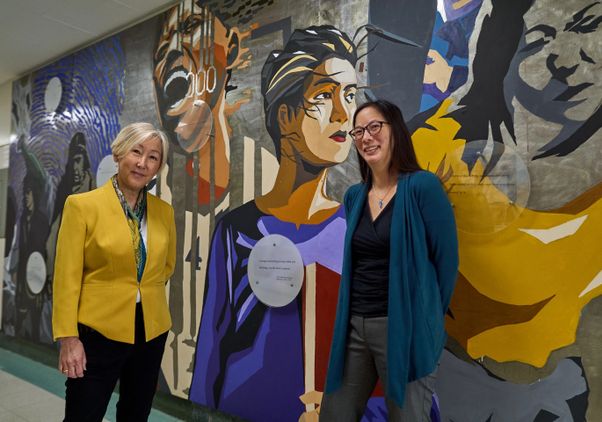
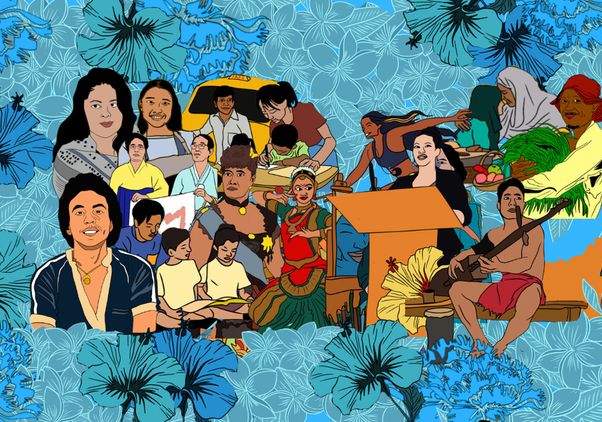
The Associated Press featured an article about the launch of a free digital textbook overseen by the UCLA Asian American Studies Center that aims to be a high-caliber guide to help high school and college educators nationwide teach more effectively about AAPI experiences. “Foundations and Futures: Asian American and Pacific Islander Multimedia Textbook” is the culmination of years of work by 100 contributors, from curriculum developers to illustrators. (UCLA’s Karen Umemoto, Kelly Fong and Melany De La Cruz-Viesca were quoted.) Read more about UCLA in today’s Time, New Yorker and others.
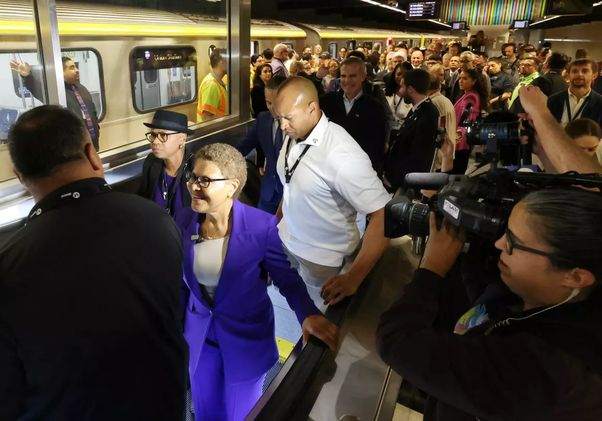
The Los Angeles Times featured several UCLA experts in an article about LA Metro’s Wilshire subway line, a route that will cover some of the city’s densest communities. Rider behavior is yet to be determined, and people like UCLA’s Jacob Wasserman, a research program manager at the UCLA Institute of Transportation Studies, says wait times may cause potential riders just to stick with their cars. Brian Taylor, a fellow at the institute and a professor of urban planning and public policy at UCLA’s Luskin School of Public Affairs, says the line will need to be “the best way to get around” if it’s going to change commuter behavior. Read more about UCLA in today’s Discover Magazine and Vox.
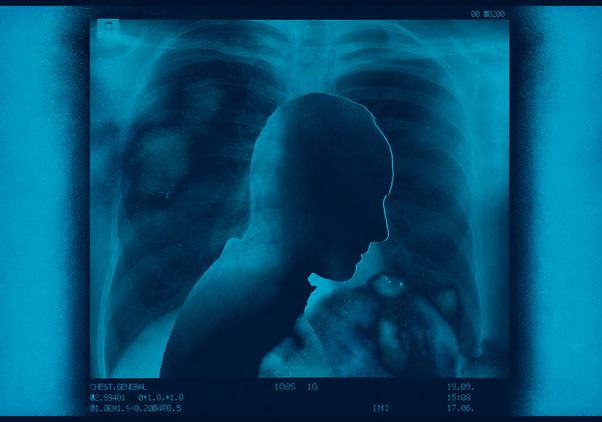
The New York Times reported on a new study finding that more than half of Medicare patients with metastatic lung cancer never receive life-extending therapies such as chemotherapy, immunotherapy or targeted drugs. UCLA Health’s Dr. Drew Moghanaki, chief of thoracic oncology, said lingering fatalism around advanced lung cancer may discourage some patients from pursuing treatment, despite major advances that can extend survival and improve quality of life. Read more about UCLA in today’s Washington Post, CNN International and others.
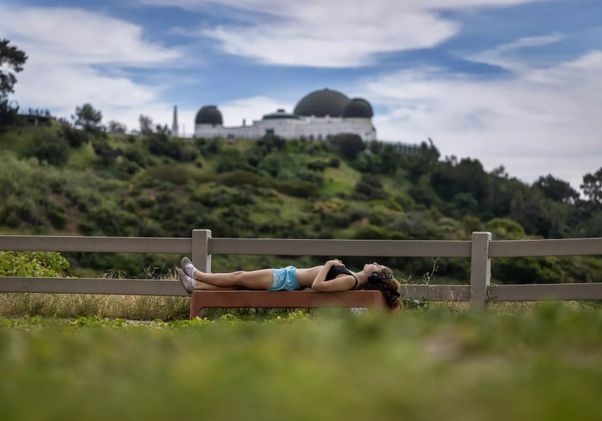
The Los Angeles Times explored why LA ranks near the bottom among major U.S. cities for park access and public green space, featuring research from UCLA urban planning researcher Claire Nelischer. Nelischer said Los Angeles lacks the dense network of small neighborhood parks found in cities like New York and London, and noted that parks play an essential role in health, social connection and daily life — especially for renters and immigrant communities. Read more about UCLA in today’s Washington Post, NPR and others.
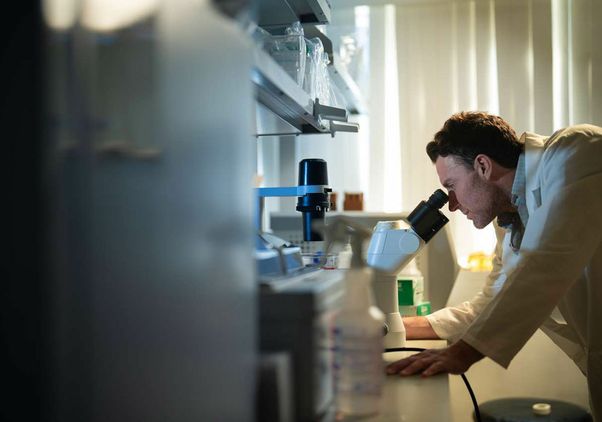
At UCLA, Dr. David Nathanson is designing new therapies that tackle glioblastoma’s unique tumor biology, aiming to overcome long-standing treatment challenges.
CBS News Los Angeles spoke with UCLA’s Dr. May Nour about how to recognize the signs of two main types of stroke, why rapid treatment is critical, and the rise in cases among patients under 50. Nour also highlighted the UCLA Health Mobile Stroke Unit, the first in the Western U.S., which delivers on-site care before patients reach the hospital — improving chances of recovery and long-term function. Read more about UCLA in today’s CBS News Los Angeles, ABC News and other outlets.
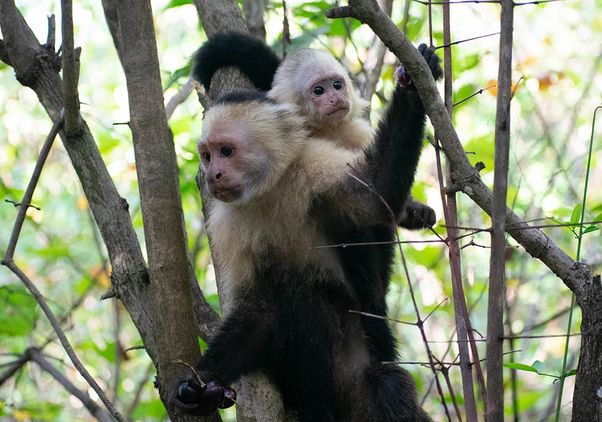
Natural selection began favoring Indigenous Andeans with a high number of salivary amylase genes when potatoes were first grown in the Andean highlands.
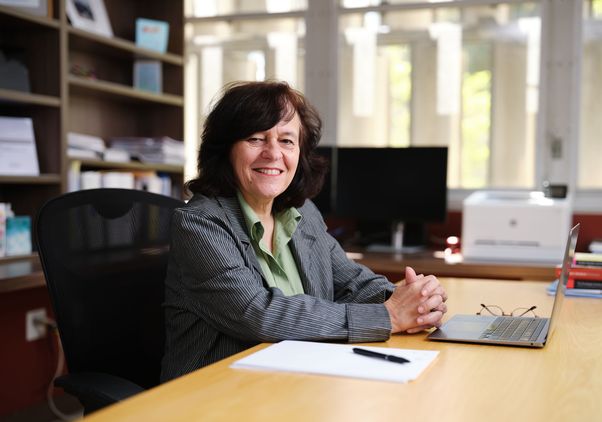
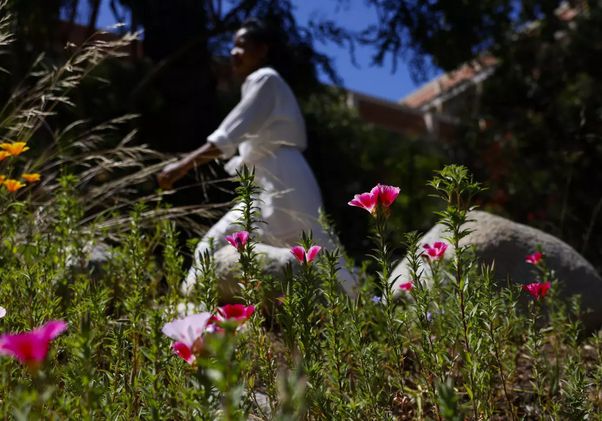
The Los Angeles Times highlighted UCLA’s Mathias Botanical Garden and its upcoming Clarkia Flower Festival, which celebrates native California wildflowers and community education. Victoria Sork, director of the garden and herbarium and a distinguished professor of ecology and evolutionary biology, said the event is an opportunity to showcase plant diversity beyond familiar blooms, while outreach manager Chantal Ochoa-Clark noted strong public interest in accessible, free programming. Read more about UCLA in today’s Associated Press, New York Times and others.