UCLA professor Elissa Hallem’s work deepens understanding of how parasitic worms invade human hosts and opens doors to new strategies to fight infection.
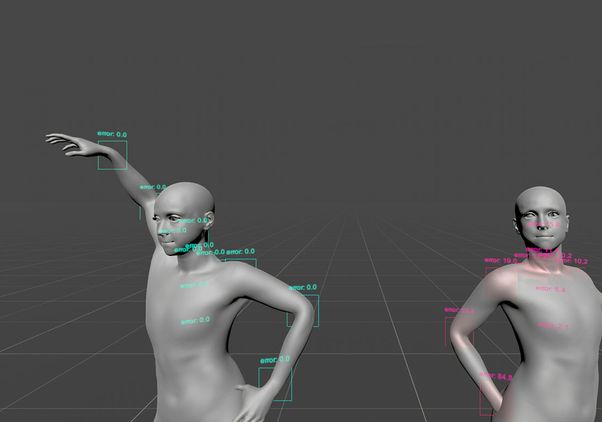
An article in Vice features new findings from the Center for Scholars & Storytellers at UCLA that found Gen Z and Gen Alpha media consumers, ages 10 to 24, prefer emotionally available male characters over unknowable, emotionally distant superheroes by a huge margin. The study, titled “Teens & Screens,” is part of the center’s Teen Snapshot series, and gets into specifics of characters already on TV that are shining examples of these preferred male archetypes. Read more about UCLA in today’s Associated Press, Los Angeles Times and other outlets.
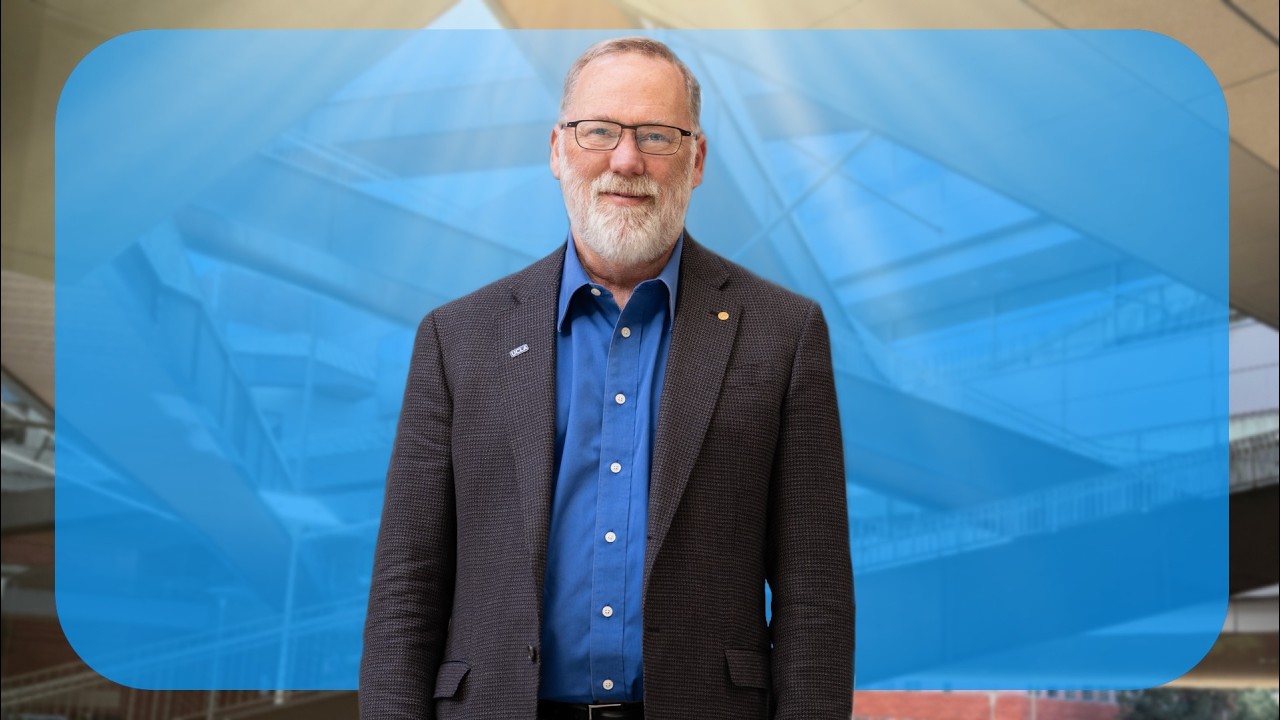
In a Mercury News commentary piece co-written by UCLA’s Ramesh Srinivasan, the professor of information studies warns of the hidden environmental toll of AI data centers and the risks associated with AI’s rising surveillance of individuals’ data. Srinivasan, who is the founder and director of the Digital Cultures Lab at UCLA, and his co-writer urge that there are ways to wield technology responsibly that benefit all, offering some insights into a possible blueprint for change. Read more about UCLA in today’s New York Times, CBS News and other outlets.
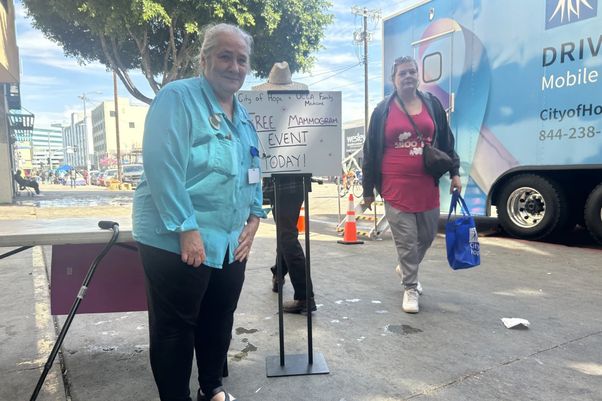
LAist reported that Union Rescue Mission found that 87% of women living at the shelter were not up to date on breast cancer or cervical cancer screenings. “We couldn’t just ignore it anymore,” said Mary Marfisee, the shelter’s family medical services director and a UCLA faculty physician. “We can't refer them out. It’s been harder and harder to get women's health services, so we just sat down and said, ‘No, we gotta do it ourselves.’” See more about UCLA in NPR, CalMatters and other outlets.
In a New York Times article about how HBO Max’s “The Pitt” portrays psychosis, UCLA psychologist Carrie Bearden, director of the Center for the Assessment and Prevention of Prodromal States, explained that suspiciousness and unusual thoughts can signal elevated risk for developing a psychotic disorder. The story underscores the importance of recognizing and addressing early symptoms. See more about UCLA in today’s Bloomberg, People and other outlets.
By equipping T cells with two proteins derived from fungi, the researchers enabled the immune cells to import cellobiose and convert it into usable glucose inside the cell.
Popular Mechanics featured UCLA archaeologist Jo Ann Van Tilburg in an article about her team’s latest breakthrough in the search for answers about the famed statues on the island of Rapa Nui, better known as Easter Island. For over three decades, Van Tilburg and members of the Rapanui community have studied the stone heads, recently proposing that the statues were placed to aid in agricultural food production. New soil testing, in collaboration with the University of the South in Tennessee, supports this conclusion. See more about UCLA in today’s NPR, Earth.com and other outlets.