With a bag of dimes and an idea, the author descended to the basement of Powell Library to write one of the most important science fiction stories of the age.
Without the patient-volunteers who donate their bodies as living laboratories, the advances in our understanding and treatment of AIDS wouldn’t be possible.
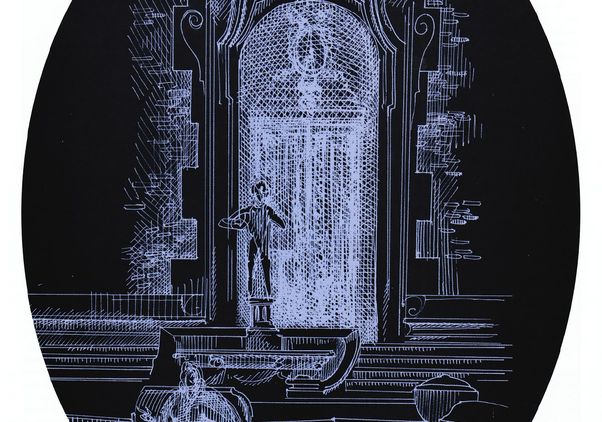
William Andrews Clark Memorial Library isn’t just a resource for scholars and academics. People with a love of learning have “a mental paradise” in its walls.
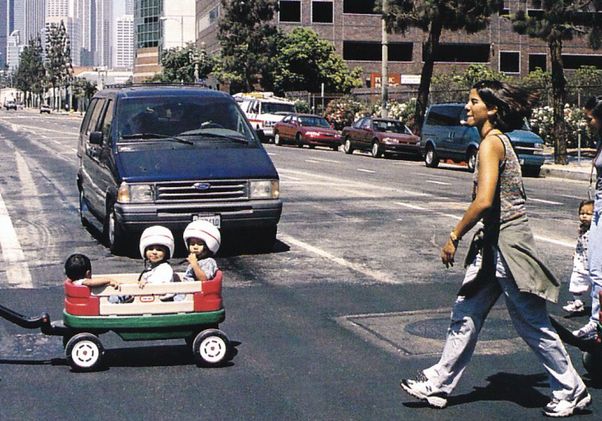
Law Professor Gary Blasi and a group of students spent five months investigating California’s public schools, uncovering Dickensian conditions of squalor and neglect.
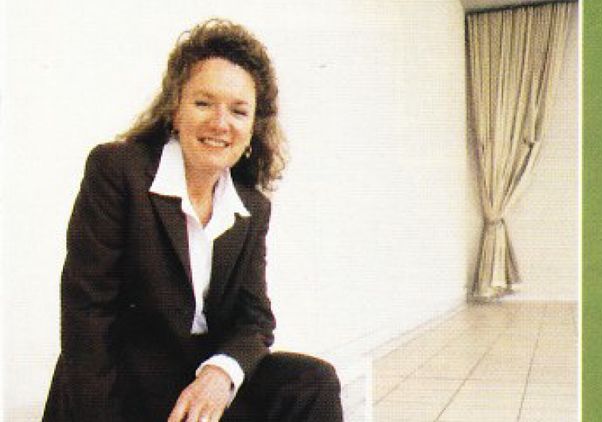
Judith Baca’s large-scale murals have illuminated the history and stories of Los Angeles’ diverse communities. Today, her students are learning to carry on the tradition.
There’s an air of sunny optimism permeating The Anderson School as its newest M.B.A.s prepare to launch themselves into the uncharted territory of the dot-com world.
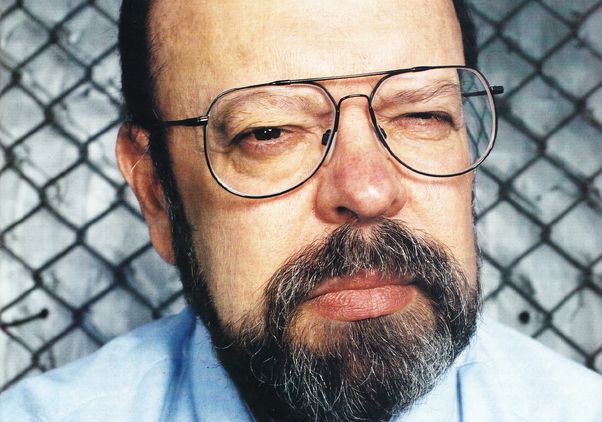
A bioterrorist attack or lethal disease run amuck is the stuff of shock fiction and bad TV movies, but to epidemiologist Scott Layne these scenarios are very real.
Jim Heath’s computers will be billions of times more efficient than anything we’ve ever imagined, holding the promise of benefits that will affect all our lives.
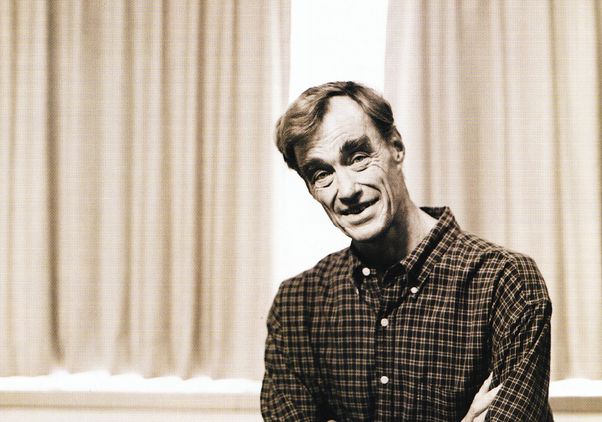
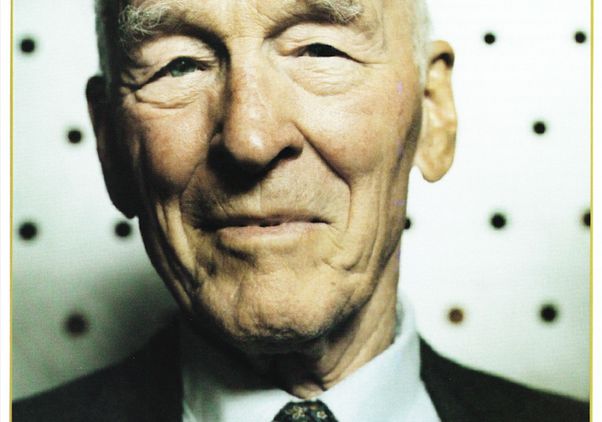
Three UCLA Nobel laureates have gone on to achievements that deepen our understanding of human existence and perhaps even open the gateway to longer life.
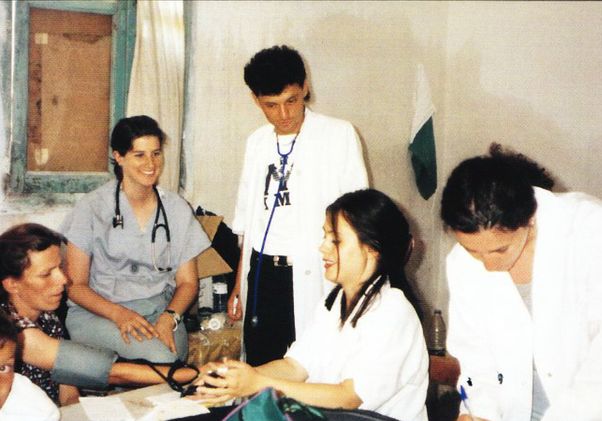
To an outsider’s eye, Kosovo appears to be on the mend. But a UCLA family-practice resident learns firsthand that the scars of war are never far from the surface.