A pioneer in her field, Dr. Linda Liau is only the second woman in the nation — and the first Asian-American woman — to chair an academic department of neurosurgery.
Previous research hinted that small cell cancers from different organs may be driven by common mechanisms, but the new study is the first to so clearly describe the steps in their evolution.
“With this type of measurement tool, you could potentially figure out which drugs would work best for each person before even starting treatment,” said UCLA professor Dino Di Carlo.
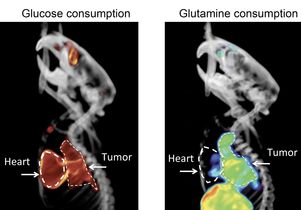
UCLA researchers have found that an often overlooked component of a cell, the extracellular matrix, can influence how much sugar the cell consumes and its migratory behavior.
The results could have implications for treating cancer, when people’s blood-forming stem cells may be depleted, and for people undergoing transplant surgery.
The precision-based medicine approach will allow people with newly diagnosed leukemia to have immediate access to new treatments that are in development.
A new mindfulness workshop called Tree of Life Fulfillment offered at the Simms/Mann-UCLA Center for Integrative Oncology combines art therapy with guided imagery.
The availability of such cells — with properties similar to those from humans and other animals — should help scientists accelerate research on therapies for cancer and autoimmune diseases.
The findings help explain the connection between HDL cholesterol and reduced cancer risk, and suggest that a similar compound may be an effective therapy in humans.
Nearly 30 percent of people in the ongoing trial have survived for at least three years after they enrolled in the study; the average life expectancy for people with glioblastoma is 15 to 17 months.
Understanding colon cancer's ability to change its genes — a process called immunoediting — could help researchers develop new immunotherapies that target those genetic changes, leading to more effective treatments.
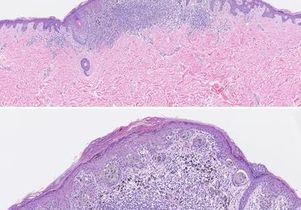
In a prior study, the same researchers showed that pathologists disagreed about the diagnosis of early-stage invasive melanoma more than 50 percent of the time.
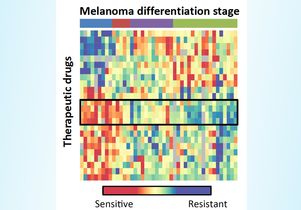
The cells that de-differentiated — meaning that they reverted back to a less-mature cell — showed sensitivity to a type of self-inflicted cell death called ferroptosis.
UCLA Anderson’s Elisa Long, informed by personal experience, parses data to help those mulling mastectomy and gynecological surgeries to reduce cancer risk.
Three fact sheets recommend that legislators enact changes to help patients and survivors — particularly low-income women — who face serious obstacles to care.