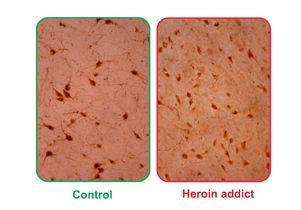
Two discoveries — one in the brains of people with heroin addiction and the other in the brains of sleepy mice — shed light on chemical messengers that regulate sleep and addiction, UCLA researchers say.
An emotion called ‘kama muta’ is typically accompanied by moist eyes or tears, chills or goosebumps, a warm feeling in the body, a feeling of exhilaration and a motivation to help others.
The study is the first to establish a link between susceptibility to seizures and the gut microbiota — the 100 trillion or so bacteria and other microbes that reside in the human body’s intestines.
African-American and low-income kids are the most at risk for health problems as the biggest consumers of sweetened beverages, a study by the UCLA Center for Health Policy Research has found.
The research in marine snails could lead to new treatments to restore memories and alter traumatic ones in people with Alzheimer's disease and those dealing with post-traumatic stress disorder.
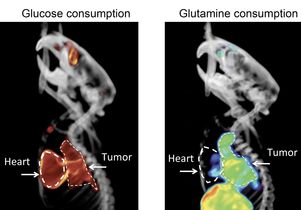
The discovery explains the mechanisms behind the protective effects of lipid emulsion therapy and could improve treatments for people with heart disease.
The studies found a link between risk-related terms that Google and Twitter users researched or tweeted about and subsequent syphilis trends that were reported to the CDC.
Half of those admitted to juvenile justice facilities before their teenage years reported suicidal thoughts as adults, according to a new study by UCLA researchers.
The new method uses 'nanospears' to deliver genes directly to patient cells. Gene therapy has shown great promise as a treatment for a host of diseases, including hemophilia and certain types of cancer.
The study appears to be the first to underscore significant clinical differences between men and women with the condition, and points to the need for different treatment approaches to address these varied symptoms.