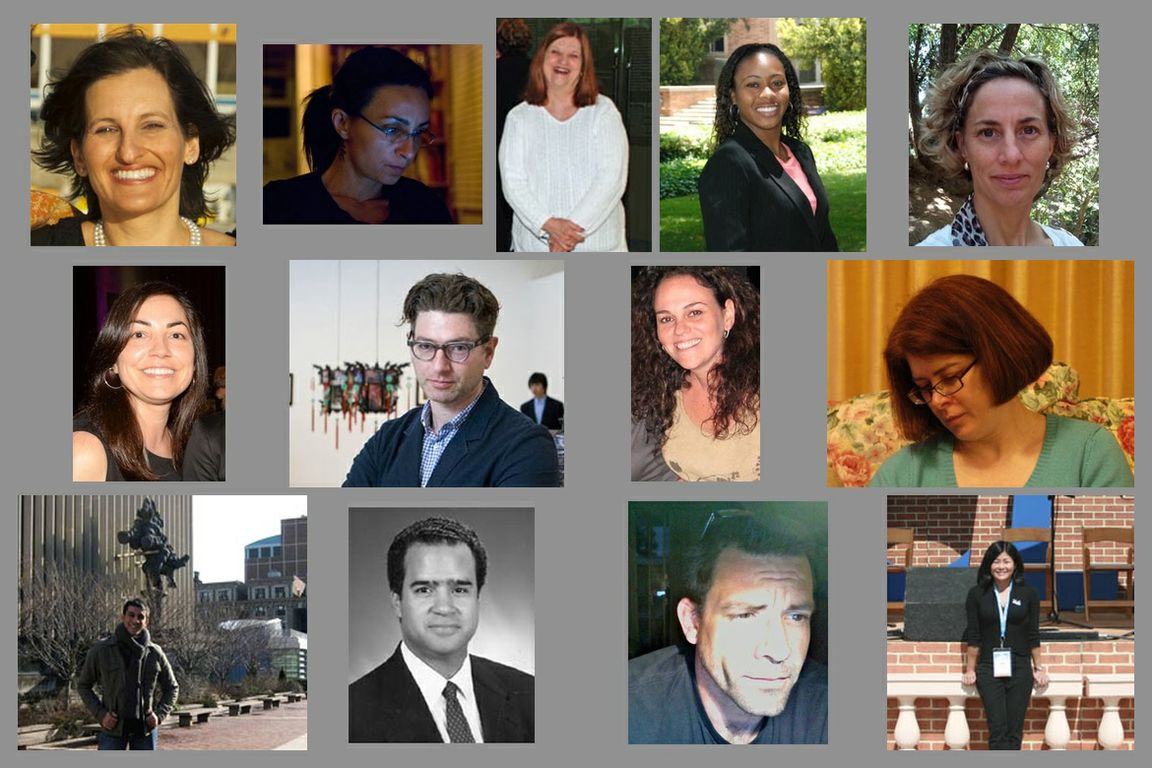
Because almost everyone remembers the morning of Sept. 11, 2001, we each carry part of the story. Bruins shared their memories of how they heard the news, or in some cases, how they witnessed it happening. Ten years after the attacks, some memories became filters through which the teller has managed to find meaning; some are simply a reminder that even thousands of miles away, the horror indelibly tinged mundane activities; and some memories include glimmers of hope, such as the way people came together to help each other.
Perhaps you will recognize pieces of your own memories and observations from that day in one of these stories — and through this recognition feel a greater bond with your fellow Bruins.
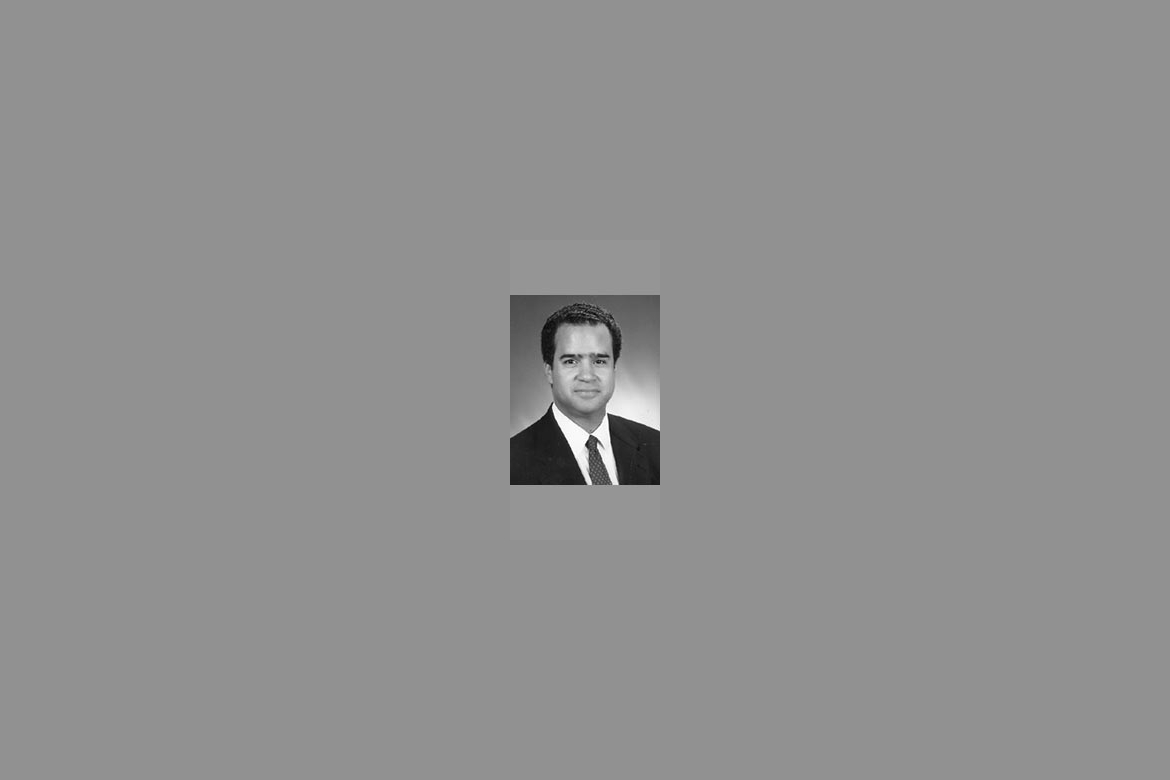
Peter J. Taylor, UCLA '80; UC Chief Financial Officer:
In our offices across the street from the North Tower, I still remember the confusion on our trading floor as people tried to understand how a plane could have slammed into the World Trade Center. I remember overwhelming numbers of police and fire personnel. I remember the faces of people falling from the WTC who passed by my window as they plunged to their death from the burning building. I was angry about the attack, but I’ve managed to move beyond that. My memories give me patience whenever I get irritated at long airport security lines, and cause me to be less critical about some anti-terror program about which I don’t fully agree with. I try to remember that this imperfect response is an attempt to sustain our democracy in a modern world that was never contemplated by our Founding Fathers. Mostly, I resolve to remember how lucky I was to get out safely, and pray that I use every day to be an active participant in sustaining and strengthening our democratic form of governance, because if we as Americans can accomplish that, we will have used the 9/11 tragedy to accomplish something that honors the memory of those who died that day.
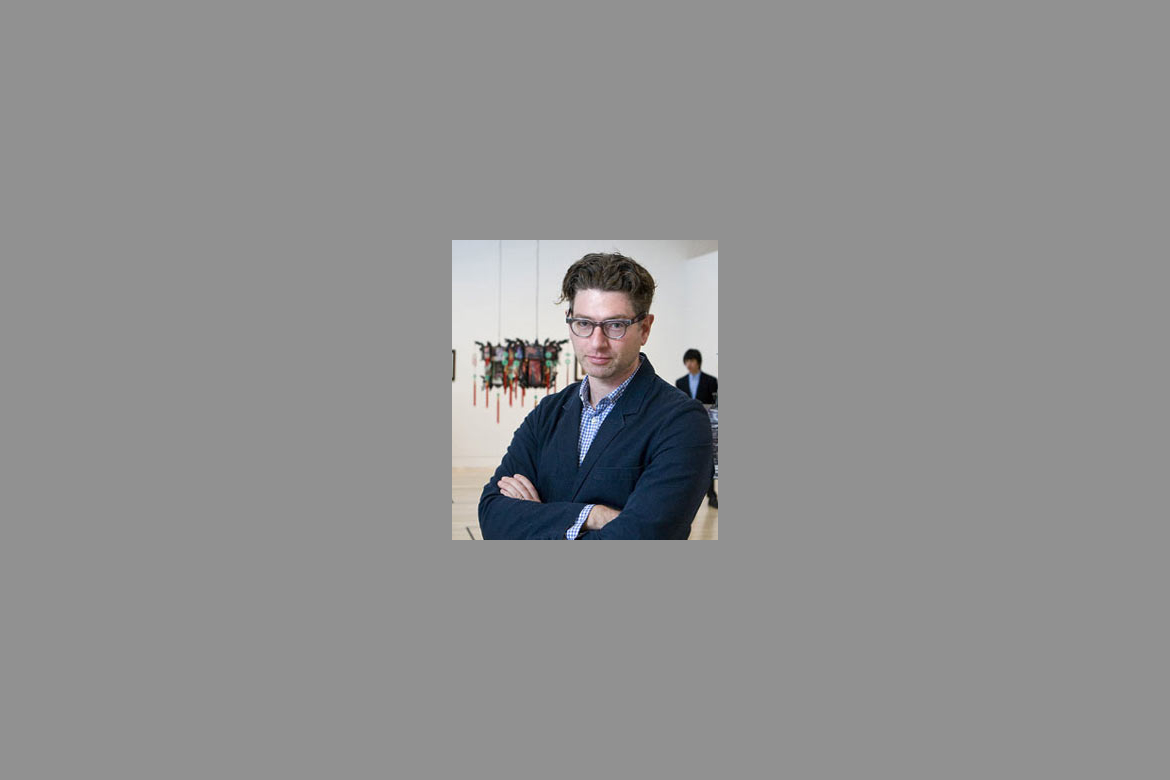
George Baker, UCLA professor of art and art history:
On Sept. 11, 2001, I lived on the top floor of a brownstone in a small neighborhood in Brooklyn and I could see the Twin Towers from my kitchen window. From my windows, I saw the smoke rising, and so never left my apartment for work that morning. The day wove public and private tragedies together for me. My best friend worked in the Trade Center, and I wouldn’t find out for over a day, but he was able to evacuate after the first plane hit the buildings and survived. However, New York was never the same for him, and he moved to Los Angeles not very long after; I always felt that in coming to UCLA two years later I was following him. And just prior to the Sept. 11 attacks, in the early weeks of August 2001, my wife was diagnosed with cancer. She had to start rather aggressive chemotherapy almost immediately, and the treatment caused her hair to begin to fall out in clumps that very morning, on Sept. 11 itself. The Towers fell just a little while after she emerged from her morning shower holding much of her hair in her hands. Later that day, we went to the home of an artist that I knew to be with friends. We all climbed to the roof of his brownstone, where a dear friend, who was bald, offered to shave my wife’s head. We did this in silence, while Manhattan burned in the distance, smoke rising into the air. My wife’s treatment was successful, and she looks forward to marking a decade of being in remission later this academic year.
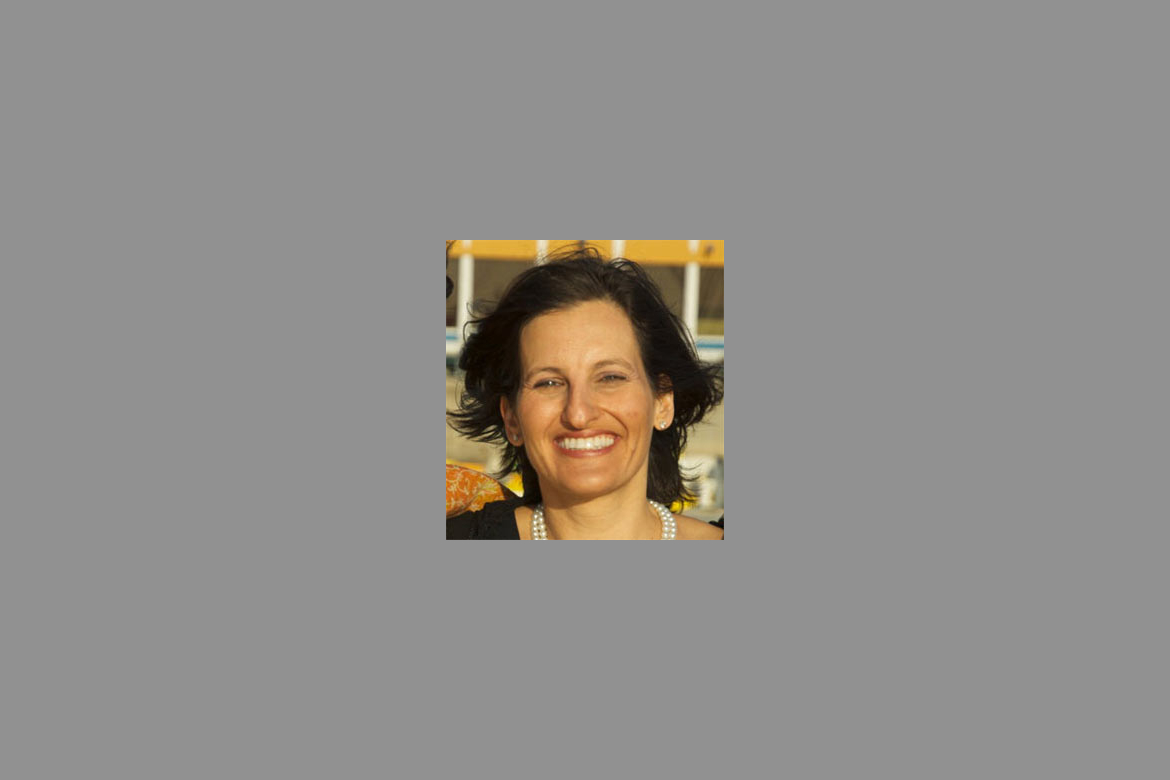
Abigail Saguy, associate professor and vice chair, UCLA Sociology Department; associate professor, UCLA Women’s Studies Department:
I was 7 months pregnant and living on 29th Street, between 8th and 9th Avenue, and commuting to New Haven for a postdoc at Yale University. That morning, I was in New Haven and found out about the attack in a voicemail message from my husband who had seen the second plane crash into the towers as he was walking down 8th Avenue toward the subway — but it was so impossible that his brain corrected what he saw. Rather than a plane crashing into the Twin Towers, he thought he saw firefighters in a plane/helicopter attempting to extinguish a fire in the towers. He took the subway downtown to work, where he soon realized what had actually transpired and called and left me a message. His message began, "I'm ok, but…" I did not comprehend the enormity of what had happened at first. It was not until I saw the images of the crash on the television, heard the commentaries, and spoke to my colleagues that I became gripped by terror.
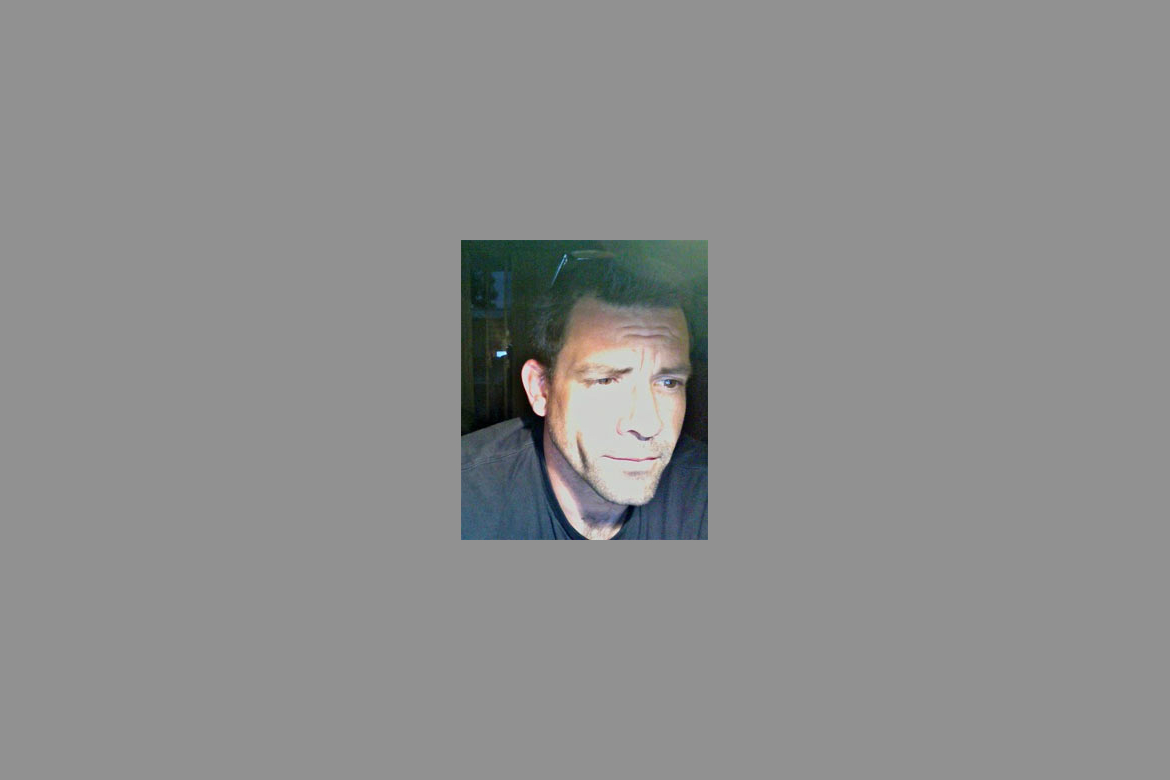
Todd Schindler, UCLA Newsroom editor:
I was at home on East 5th Street when I saw on TV that the North Tower had been hit. Later in the afternoon, after both buildings collapsed, I went down to the site with my camera, managed to get around a police perimeter and found myself alone in lower Manhattan — 4 o'clock, dark as night, ash and papers everywhere. I picked up a note written on personal stationery and a receipt from a dinner eaten on Sept. 9, and I remember thinking, that's what these people's lives had been reduced to: papers and ash. Not long after, Tower 7 collapsed and sent a massive cloud of smoke and debris down the street. I eventually joined an ad-hoc crew of volunteers near Ground Zero, and we spent the night sitting, talking and finally helping to load food and water onto trucks for rescue workers at the site. What can I say? Everyone knew we'd been attacked, that thousands of people had died. There was a lot of shock and fear and anger. But in the middle of it, all these people — of every race, ethnicity, religion, background and persuasion — were working together and doing what they could to help out. That's why I love New York and will always love New York. The rolls of film I shot are still sitting in a box in my apartment. For some reason, I could never bring myself to develop them.
Jessica Thaler, BA ‘95 in History and Art History; President of the UCLA Club of NY from 1999–2007:
I remember waking up and putting on the news to check the weather. They were showing the first plane at the time and speculating about whether it was more than a horrible accident. I watched for a few then ran to my office (in the MetLife Building in Manhattan). As I stepped off the elevator on the 50th floor, an announcement came over the speakers that the Trade Center was hit in a terrorist attack, and they were vacating the building. Stunned, I went back down to the street, seeing the smoke down at the end of Park Avenue. Not long after, the buildings fell. Friends and family were emailing and calling about the well-being of each other and of common friends. Later that evening, exhausted from hours of watching the news and searching for loved ones, friends and colleagues, a few of us decided to get away from the TV and find something open for dinner. On Park Avenue there were no cars and very few people. I looked south and saw smoke where there used to be buildings. It was very eerie and surreal. But the overwhelming sense of community within New York in general, and especially among fellow New York Bruins, was wonderfully comforting at that moment and in the many unsettled weeks that followed.
Julie Ohara Stewart, B.A. Philosophy ’95 and past president of the NYC Bruins:
I worked at 7 World Trade Center and remember sitting at my desk, feeling the building shake. Growing up in California, my first instinct was that we were having an earthquake. But as I walked down the hall, I noticed a storm of papers flying around like a ticker tape parade. That's when I realized that a plane had hit the North Tower. What a tragic accident, I thought. I never imagined that someone would do this on purpose. But when the second plane hit the South Tower, that's when it was clear this wasn't a freak accident. The electricity started to flicker, and we evacuated from Tower 7, which collapsed later that evening. Eventually we were put in temporary offices, then moved to a building in Tribeca. But for that office move, I probably would not have met my husband, who was working in that building in Tribeca.
Kathy Lisiewicz, project manager, UCLA Integrated Communications:
I was driving to work — I lived in New Jersey then — and changed radio stations because they led off the report with something that made it sound like a more typical sensationalist lead-in. When I got to work, I heard about the first plane, which everyone thought was an accident. Shortly after that, someone said, "My husband just called to say that another plane hit the other tower," and I said, "That's no accident." We spent the rest of the morning trying to get news (the Web was completely inaccessible, and no one had a radio or TV), and the office closed just after noon. I stopped for groceries on my way home and watched about a dozen fire trucks from different New Jersey towns speed toward Manhattan. And while I couldn't see the towers from my apartment, I could see the smoke plumes. You could taste the smoke in the air for days, even indoors.
Ann Kelsey, M.S. '69, Library Science:
Just before 9 a.m. on Sept. 11, I was driving to work in northern New Jersey. A news bulletin on the radio said a plane had crashed into the World Trade Center. I had theater tickets that evening, and I wondered if I would have a problem getting into Manhattan. By the time I got to work, the second plane had hit, and I knew that no one was going into Manhattan. People around me were hysterical, especially those with friends and relatives who worked in or near the towers. The title of a novel about soldiers in Vietnam kept flashing through my head: “Welcome to Vietnam, Macho Man.” I was in Vietnam in 1969–1970, and I knew in my gut that I was back in a war zone. That doesn't go away. Whenever I see or hear a helicopter, for a minute I am back in Vietnam, and whenever I see a bright blue cloudless sky, for a minute it is again that terrible Tuesday.
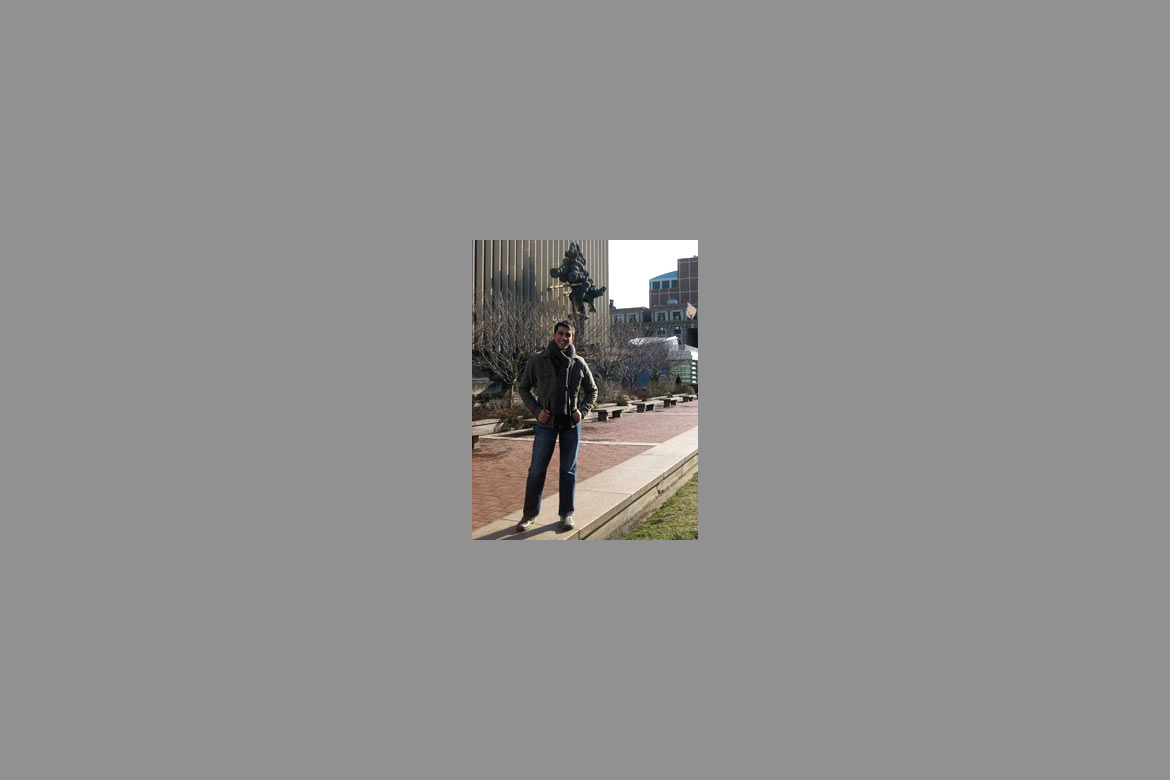
Manaf Mansure, UCLA B.A. ’08 and First-Year Experience Coordinator at Office of Residential Life:
I will never forget my dad’s shriek from the living room, insisting that I rush to the television. As I approached, I saw UA 175 crash into the South Tower. Seeing my father shake in terror, hearing the deafening shudder of the newscasters, and seeing devastation that people my age have never seen before, I knew much of how I made sense of the world would change from this point forward. Having spent the past years being a New Yorker and observing 9/11 remembrance days, that seminal moment with my father reverberates in the most intimate and unexpected ways. It’s those moments where a visual narrative illustrates vulnerability; where millions of emotions, thoughts, obstacles, and redefined perspectives teem through every door you walk through. And you end up learning more about yourself, about the people around you, and how your surroundings and circumstances author your understanding of the world.
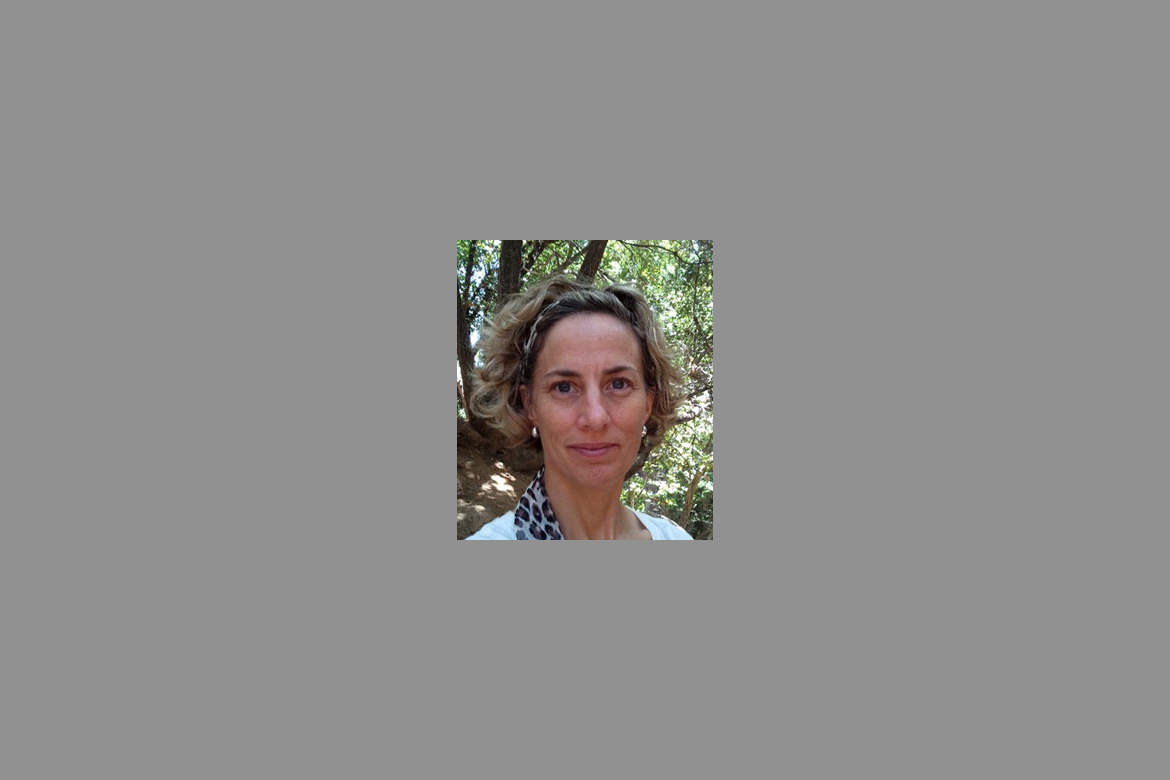
Cully Nordby, academic director, UCLA Institute of the Environment and Sustainability:
My husband and I were living in Oakland, and one of our friends from New York called and woke us up. He didn't know how to tell us what was happening, just kept telling us to turn on our TV. I insisted, and then he said a sentence I will never forget: "Two planes have crashed into the World Trade Center, one of the buildings has collapsed, a third plane has crashed into the Pentagon; we are under attack." Stunned, we turned on the TV and watched and watched, and the second building collapsed. It was supposed to be my very first day in the field doing research on song sparrows in San Francisco Bay salt marshes. I just couldn't go. After a while we had to stop watching the news. My mom had just sent me a pile of videotapes of “Sex and the City” episodes, so we watched those instead, all day, about 20 of them. At the beginning of each one, there they were, those two towers, as if nothing had happened.
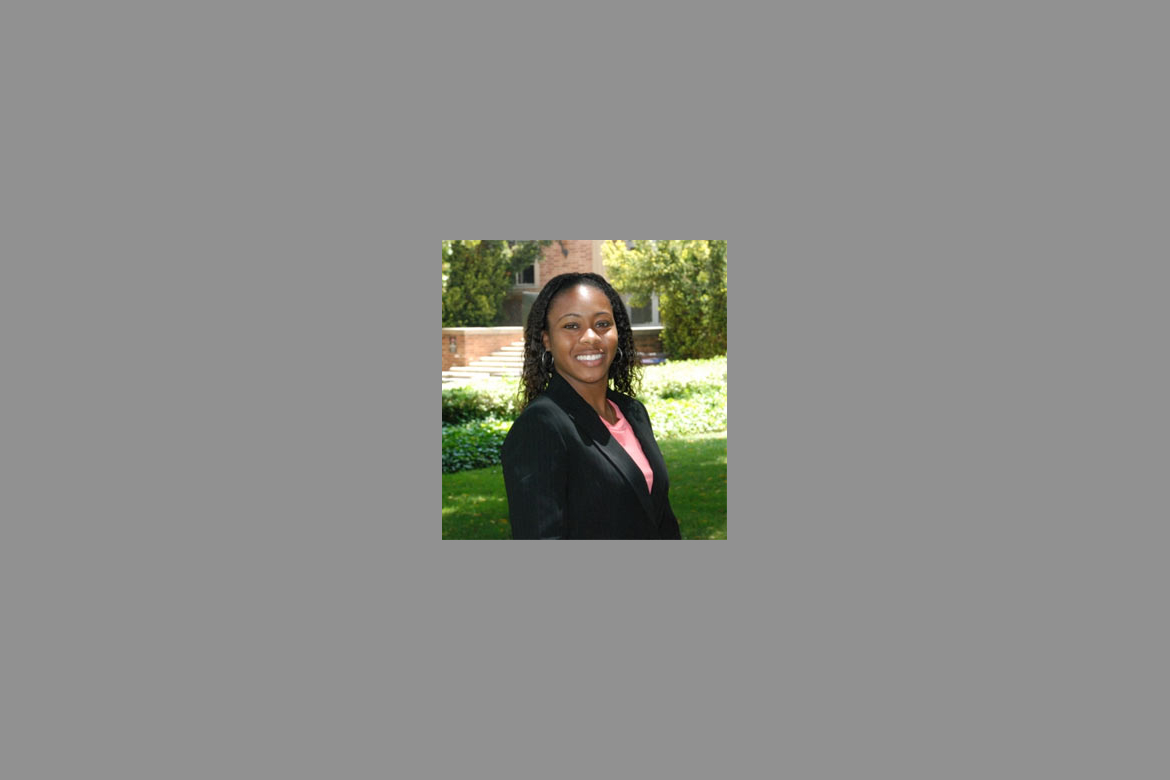
Brandie Henderson, UCLA Staff Assembly president and UCLA Academic Senate administrative analyst:
It was the summer before my sophomore year of college, and I lived at home in Los Angeles with my mother. I was awakened by the alarming ring of an early morning phone call, which could only mean bad news. I heard my mother picking up the phone, calmly responding to the hysterics of the person on the other line. I heard her turn on the TV, so I got up out of my bed to see what was going on. When I got to her room, my mom was standing in front of the television with her mouth open and the remote in her hand. I turned to see what had her paralyzed, and I saw the images of the Twin Towers, which we'd visited the summer before, and the Pentagon, which was located three miles away from my aunt's worksite in the Hoover FBI building. My mom called my aunt, but there was no response. We sat strapped to the television, calling family to see if they heard from my aunt, and calling our Merill Lynch contacts to see if they made it out the building on time. My aunt contacted it us later in the day to assure us that she was okay, and our Merrill Lynch contact informed us a few days later that she never made it to the office that day, because she wasn't feeling well. I will never forget that day, the worry of the unknown, as well as the concerns for the safety and well-being of others.
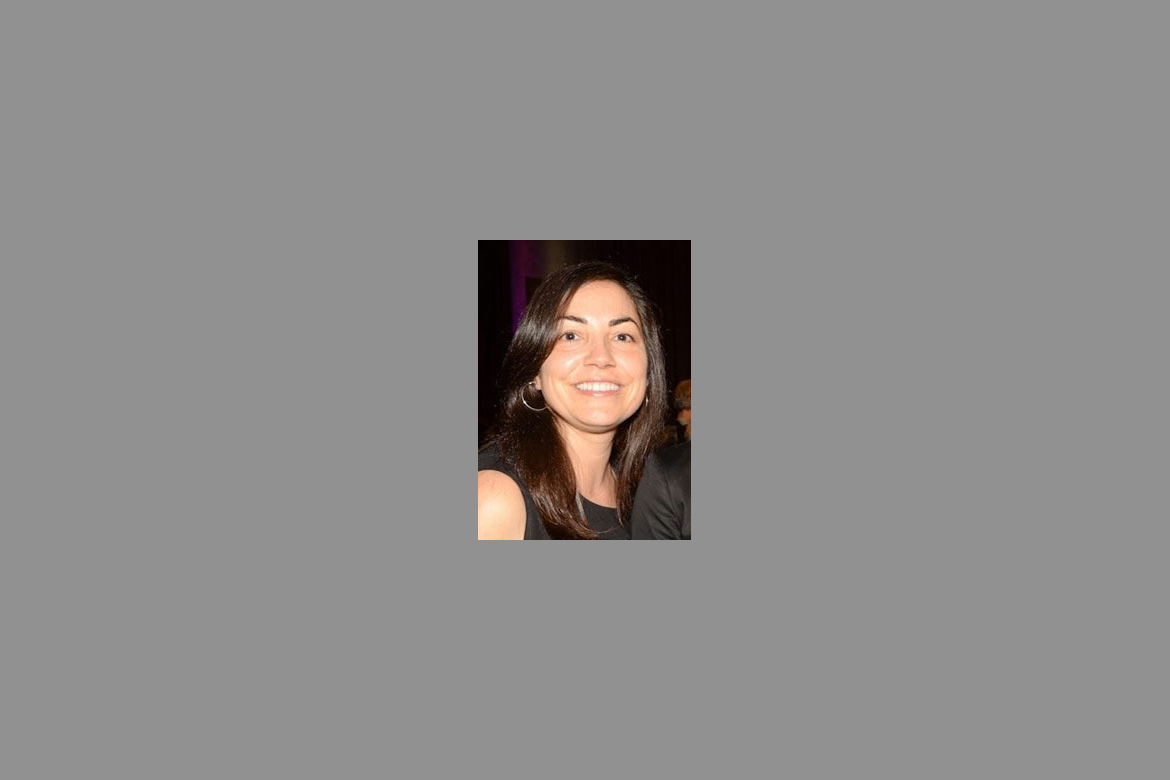
Cindy Cordova, assistant to the dean, Graduate School of Education & Information Studies:
I was at home asleep when the phone rang and my sister called to say that a plane had been hijacked and crashed into the World Trade Center. Like millions of others, I didn’t believe it. I put on the news and saw the devastation. I was scheduled to attend day two of training at a hotel near Disneyland, so I headed to Anaheim. The freeways and streets were empty. When I got close to the park, there were hundreds of tourists standing on the street corners, confused, shocked, some crying and clinging to each other. It was only one of three days in Disneyland’s history where they shut their gates, and remained closed for the day. It was pointless to be in a training class when it felt like time stood still, and nothing, NOTHING mattered but being at home, safe, with loved ones.
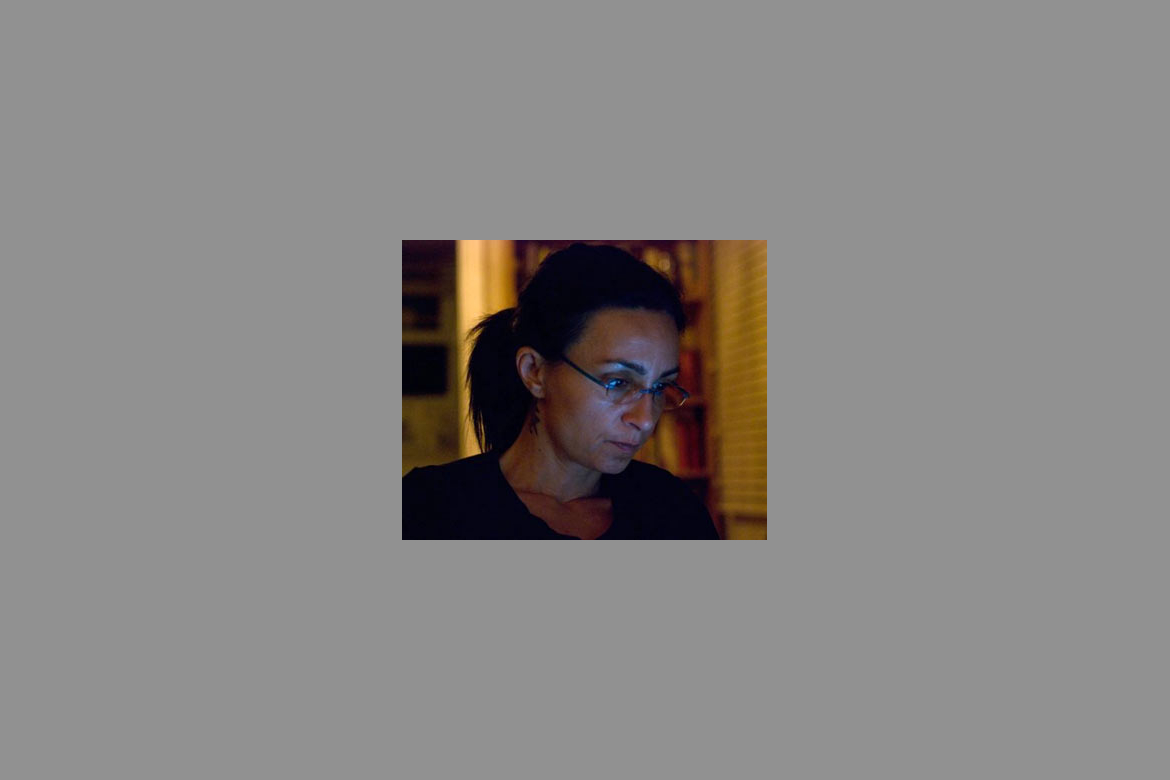
Alberta Soranzo, web strategies manager, UCLA Center for Health Policy Research:
I was living in Italy on Sept. 11, and I was in my office in a high-rise building with my father when I got a text from a friend saying a plane had crashed into the Twin Towers and to turn on the TV. I thought it was a joke. I texted back, “Right, and I’m the Queen of England.” But it bugged me, so I went to CNN, and when I saw their site was down, I told my father, “Something is happening.” We went downstairs to a coffee place that had TVs and saw the second tower collapse. We spent almost the whole day standing there, and the whole city seemed to spend the day glued to the TV. I kept trying to reach my friends in New York but of course we couldn’t get through. I felt so far away, like a bystander watching everything unfold with no power to help.