
UCLA Magazine Stories
More Stories

Seeing Is Believing
UCLA’s Urban Simulation Team gave L.A. leaders an advance look at how the city’s redevelopment and mass transit projects would actually work.
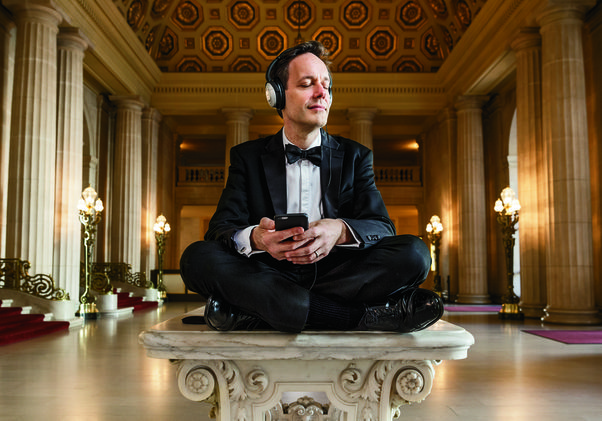
The Natural
Jake Heggie ’84, M.A. ’05 has felt most at home when he’s lost in music, performing and composing. His overnight success surprised no one more than him.
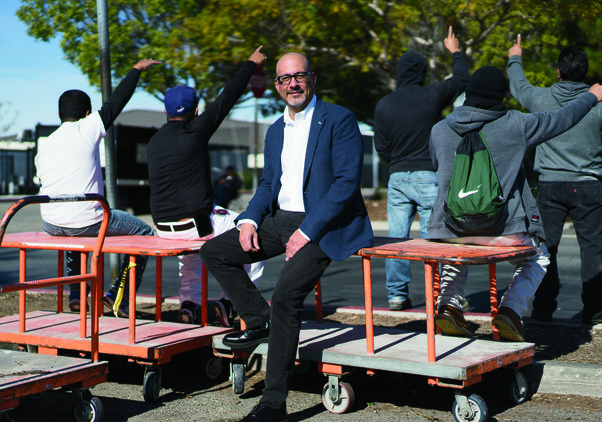
Hard at Work
For Abel Valenzuela, the acclaimed UCLA scholar of immigrant and itinerant labor issues, inequality isn’t just an academic exercise; it’s personal.
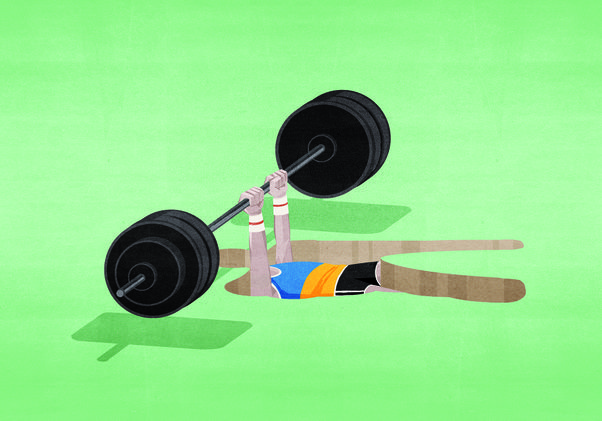
Advice for Weekend Warriors
If you exercise only occasionally, or have been inactive for a long time, pace yourself to avoid injury.

Quarterbacks of Patient Care
When their gridiron careers ended, these former football players headed to nursing school.


For the Love of Film
The UCLA Film & Television Archive’s founders were determined not to let film culture slip away.
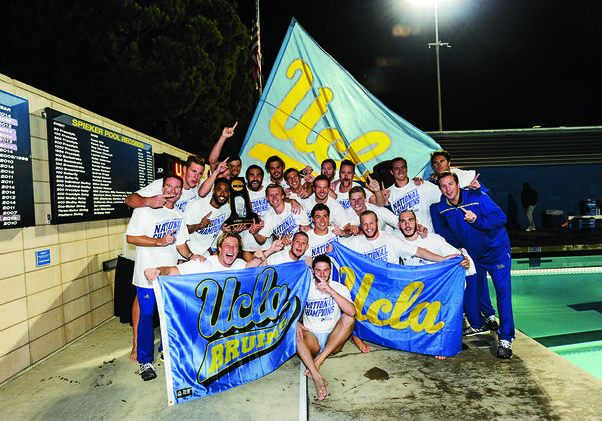

A Home on “The Hill”
More than 50 years ago, a visionary provost wanted UCLA students to live on campus in order to enjoy its “cultural and intellectual riches.”
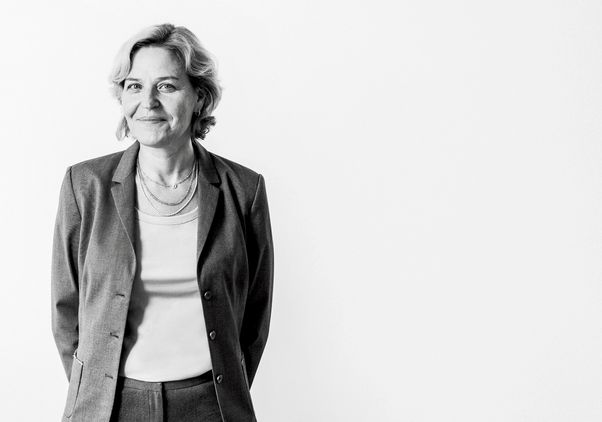
Gray Matters
We have always pondered the mysteries of the mind. Now, for the first time, we are beginning to unlock those mysteries. And the implications are extraordinary.
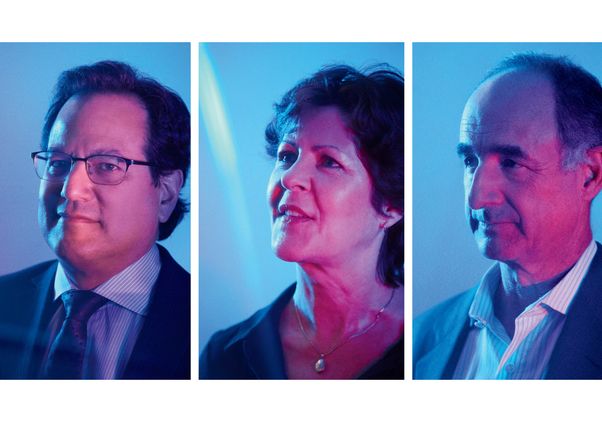
Hope Is Real: The UCLA Depression Grand Challenge
UCLA scientists have launched a historic effort to tackle and treat depression, the world’s largest health problem.

Future Thinking
The founding director of UCLA’s Ahmanson-Lovelace Brain Mapping Center has brought his sense of form and function to overseeing the campus’s medical enterprise.
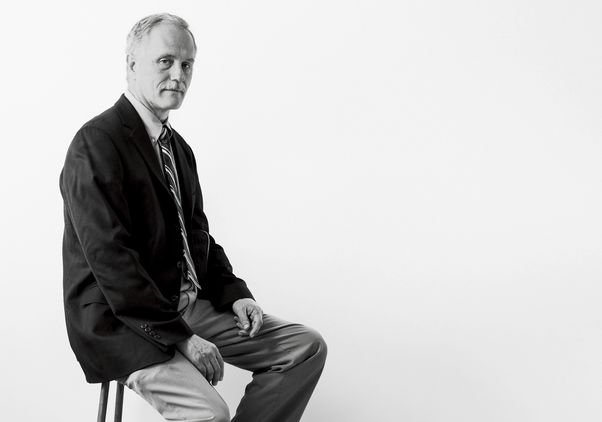
Get the Picture: The UCLA Brain Mapping Center
Brain mapping enables scientists to see in real time the processes — both normal and aberrant — at work inside our heads.
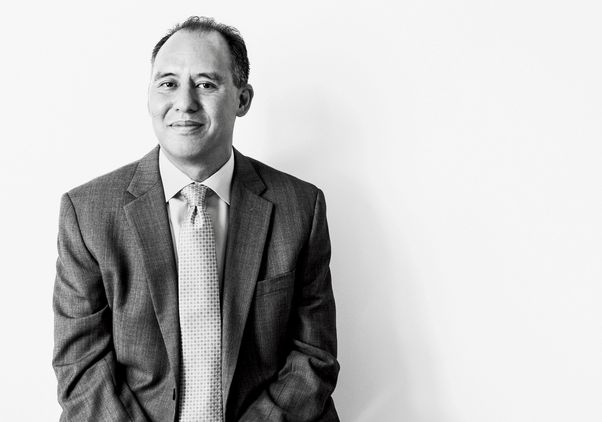
Heads Up
Thirty years ago, when athletes hit their heads, they were expected to “suck it up” and get back in the game. Today, sports concussions are on the front burner.
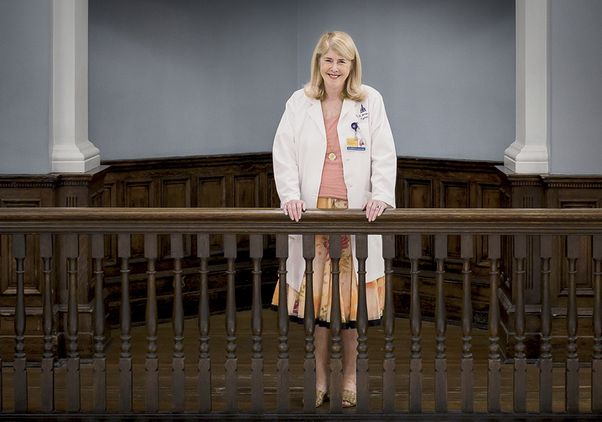
Of Moods and Madness
Kay Redfield Jamison knows depressive illnesses as both a patient and a doctor.

The Modern Mismatch
We live in the shadow of our achievements, says Dr. Peter C. Whybrow, director of the Semel Institute for Neuroscience and Human Behavior at UCLA.

Honoring Adolescence
Between ages 12 and 24, the brain undergoes tremendous change and is primed for innovative thinking.
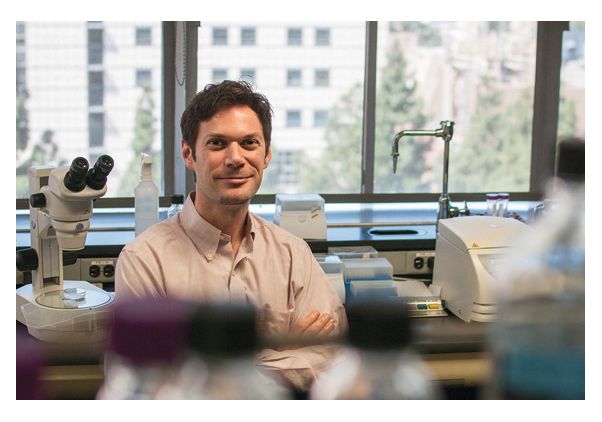
Chemistry Test
Assistant Professor Patrick Allard and his colleagues have found a new way to test the toxicity of everyday chemicals.

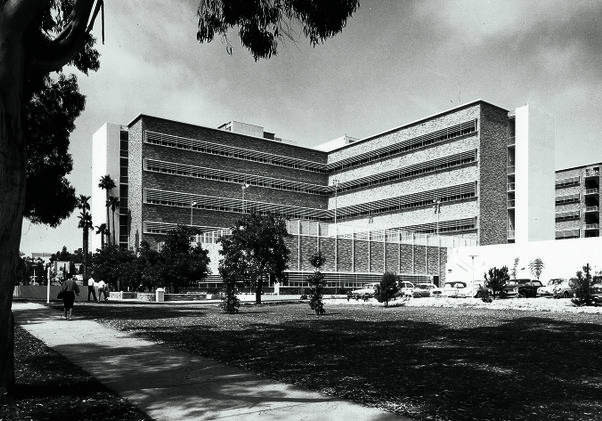
Ahead of Its Time
The UCLA Neuropsychiatric Institute pioneered the idea of interdisciplinary research.

On the Frontiers of Science
Neuroscience has advanced more in the past decade and a half than in all of human history. UCLA has been at the forefront of this journey for more than 50 years.
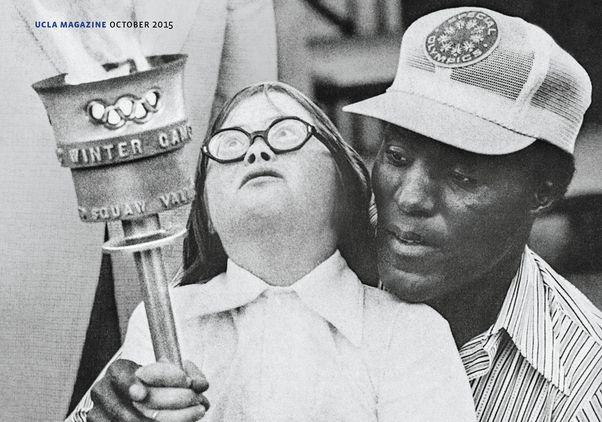

Pride & Glory
Make no mistake: Special Olympics athletes came to UCLA to win, but they left with so much more.

Splendor in the Trash
UCLA Professor Maite Zubiaurre’s unique course helps Bruin students see beauty in the world through a grease-stained lens.