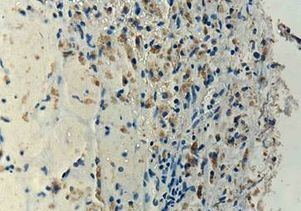
UCLA researchers have discovered a previously unrecognized type of progenitor cell that is found in uncommonly high numbers in inflamed areas of the gland.
The development of DZ-2384 by UCLA chemists led to an international research collaboration which found that the molecule appears to help fight several types of cancer.
UCLA researchers note that the next decade shows great promise for things like improving food safety, fighting infections, storing energy and supplying clean energy.
Though the test reduces the number of women undergoing radiation, researchers say doctors and policy makers should further discuss the value of using Oncotype DX DCIS.
The findings are a major step toward confirming an unusual theory of how some cancer cells metastasize, and the study could lead to new strategies for keeping melanoma from spreading.
UCLA placed highly in 15 of the 16 specialties evaluated by U.S. News and World Report. Only 3 percent of all hospitals were ranked nationally in even one specialty.
Researchers have identified mechanisms that determine how the deadliest form of skin cancer can become resistant to immune checkpoint inhibitors, which could lead to the development of new treatments.
The study shows the effectiveness of using a vaccine to activate an immune response against advanced brain tumors and it could lead to promising treatments for people with glioblastoma.
A member of the UCLA Jonsson Comprehensive Cancer Center, Demanes will receive the Ulrich Henschke Award in recognition of his dedication and commitment to the field of brachytherapy for more than three decades.
A team of scientists led by doctors at UCLA demonstrated that a modified virus has been shown to extend the lives of people with recurrent gliobastoma.
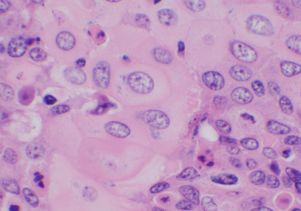
Scientists found that a protein called cystatin E/M can inhibit cellular inflammation, which is a major contributor to the growth of the disease; the discovery could lead to the development of new treatments.
Chaplain Michael Eselun of the Simms/Mann UCLA Center for Integrative Oncology discusses the power in our stories to make spiritual sense of our lives.
Ribas, who is working to create a cancer-fighting immune system, received the Rosenthal Family Foundation Award from the American Association for Cancer Research.
An earlier study had suggested that a class of drugs called anthracyclines might increase the risk for neuropsychological issues and cognitive difficulties.
Eventually, doctors might be able to analyze the levels and types of patients’ intestinal bacteria and then prescribe probiotics to bolster the amount of bacteria with anti-inflammatory properties.