For someone experiencing discrimination or harassment, knowing where to turn for help — and what might happen next — isn't always easy.
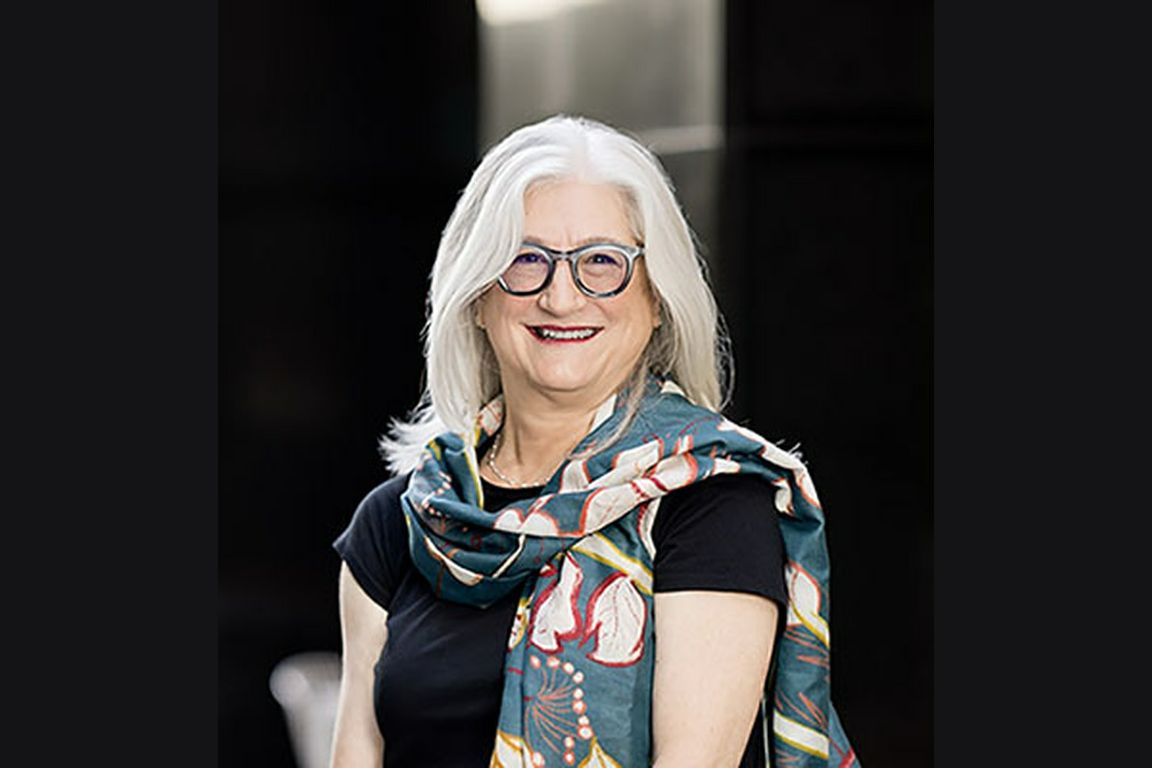
Leora Freedman is changing that.
As UCLA's assistant vice chancellor for civil rights, Freedman is working to make the university's Civil Rights Office more more visible, more approachable and, perhaps most importantly, a place where members of the Bruin community feel comfortable seeking support — in alignment with the True Bruin Values of integrity, excellence and belonging.
The office serves students, faculty, staff, and others across campus, as well as UCLA Health patients, responding to reports of discrimination, harassment and retaliation, including sexual misconduct. But its work goes well beyond investigating complaints. It also helps people understand their rights and options, connects them with resources, and provides education and training aimed at preventing problems before they arise.
For Freedman, the role is something of a homecoming. A UCLA School of Law alumna, she has spent nearly two decades working in higher education, including with the California State University system, where she served as deputy general counsel and vice chancellor for human resources, and Occidental College, where she was general counsel. Before her work in higher education, she served as directing attorney for Public Counsel's Consumer Law Project and Homelessness Prevention Project.
Since joining UCLA earlier this year, Freedman has been guiding a reorganization of the Civil Rights Office, with an emphasis on making it more accessible and responsive to the community it serves.
UCLA Newsroom recently spoke with her about building trust, balancing competing rights and why contacting the Civil Rights Office doesn't necessarily mean launching a formal investigation.
For someone unfamiliar with the Civil Rights Office, what should they know about what you do?
The Civil Rights Office at UCLA leads the university’s response to reports of discrimination and harassment — including sexual harassment and other misconduct — involving community members in any UCLA educational programs and activities, and at any UCLA locations, departments and institutes, including hospitals and clinics. It also provides support to those who are impacted.
Let’s say someone experiences or witnesses discrimination or harassment. What happens when they reach out to your office?
When someone reaches out to the Civil Rights Office, a member of our intake and support team will assess whether the concern relates to conduct that is governed by UC nondiscrimination policies. If not, we refer the person who made the report to the appropriate office. If the report concerns discrimination or harassment that someone has experienced or witnessed, we respond promptly, usually within two business days. The next step usually involves scheduling a time to meet with the impacted person as soon as possible.
Some people might hesitate to contact your office because they're worried about what happens next, or they fear retaliation. What would you want them to know?
When someone reports a concern, they are not committing to engaging in a formal process. Our goal is to provide support to individuals as they process what happened — or what is happening — in the classroom, dorm or the workplace. We listen to learn about their situation and help them understand their options so they can decide how they want to proceed. We understand that the preferred outcome may not involve a formal investigation, which is why it is so important that individuals reporting concerns understand their rights and options.
You’ve spent much of your career working in higher education. What draws you to this work, and what makes this role at UCLA meaningful?
I have been working in higher education with a focus on civil rights, student and academic affairs, and employee relations for nearly two decades — mostly as a lawyer. My work at UCLA enables me to use my legal training and skills, while at the same time directly serving our university community.
You’ve taken on this role during a period of significant change for the Civil Rights Office. How are things progressing?
The Civil Rights Office has undergone a lot of structural changes this year, and so we are building the plane as we fly it — during some turbulent geopolitical times. I am grateful to work with a wonderful team of civil rights professionals who are all dedicated to making UCLA successful, safe and welcoming to all.
How do you navigate situations where important principles seem to be in conflict — whether that’s free expression and protection against discrimination, or transparency and privacy?
Our office respects and honors all these values, recognizing that they are sometimes in tension with each other. On the one hand, no person should ever be discriminated against or be excluded from any program, activity or campus area because of their gender, race, religion or other protected characteristic. On the other hand, consistent with principles of free speech, UCLA will not silence controversial speech and other expressive conduct that otherwise complies with university policy and the law. Universities must steward both free speech and community safety even when the interests related to those principles are in tension.
We balance as best we can. The same goes for the information we share. It is important to communicate the challenges and consequences of living in a pluralistic community while respecting individual privacy. We can’t always be “transparent,” but we can be candid about what information we may share — and why other information must remain private.
Looking ahead a few years, what would a successful Civil Rights Office look like to you?
A successful Civil Rights Office is a busy office that expends as much — or more — resources on awareness programming, training, counseling and problem-solving as on investigating complaints of prohibited conduct. My hope is that every member of the UCLA community will understand the services that the Civil Rights Office provides and will come to trust and rely on us for support and assistance.
► For more information about UCLA's Civil Rights Office, including how to report a concern, available resources and support services, visit civilrights.ucla.edu and read the office’s Frequently Asked Questions.