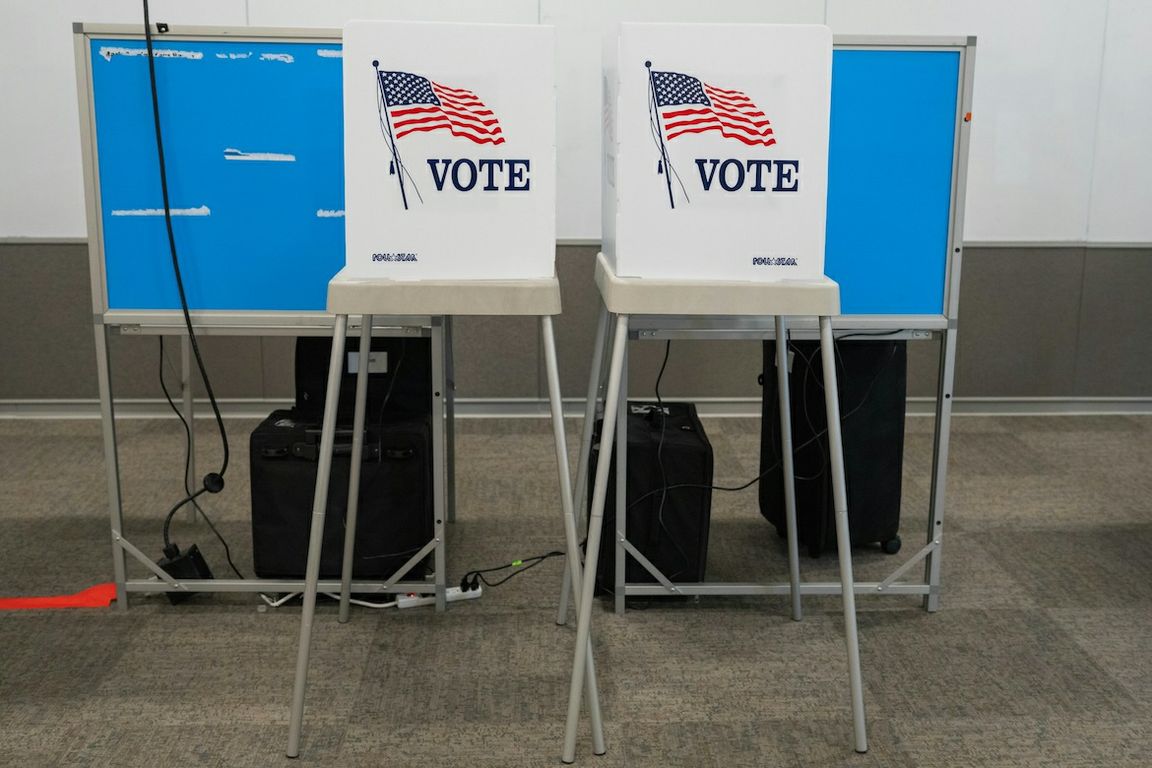
The party of the president often loses ground during the midterm elections, the so-called “midterm curse.” This year, voters are weighing concerns ranging from the everyday cost of living and U.S. involvement in military conflicts to the growing reach of artificial intelligence, historic levels of deportations by federal law enforcement and, in Los Angeles, a mayoral race and series of local and state propositions. In addition, new federal requirements for mail voting have, for now, been blocked by the Supreme Court.
UCLA experts, including those listed below, are available to comment on these and other election-related topics.
Will the ‘midterm curse’ continue or will Trump's base rescue the party?

Lynn Vavreck
Vavreck, UCLA’s Marvin Hoffenberg Professor of American Politics and Public Policy, is an expert on elections. She can comment on political advertising, the economy, polarization and swing voters, among other topics. She is the co-author, with Chris Tausanovitch, of “The Bitter End: The 2020 Presidential Campaign and the Challenge to American Democracy,” which included observations and insights from data from Nationscape, a national political survey conducted by the authors.
Email: [email protected]
Ballot safety, election practices and search warrants

Richard Hasen
Hasen, the Gary T. Schwartz Distinguished Professor of Law, is an internationally recognized expert on election law. He heads the UCLA School of Law’s Safeguarding Democracy Project, a cross-disciplinary, bipartisan group working to ensure that elections in the U.S. remain free and fair, and is the founder of the Election Law Blog. His team recently published a white paper offering guidance to state and federal judges on potential efforts by law enforcement to seize election materials.
Email: [email protected]
AI, data centers, labor and the technology sector
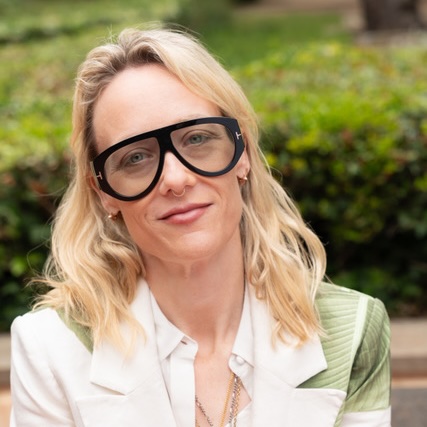
Sarah T. Roberts
Roberts is a professor of information studies, gender studies and labor studies who specializes in internet and social media policy, politics and culture, and the intersection of media, technology and society. She is the faculty director and co-founder of the UCLA Center for Critical Internet Inquiry.
Email: [email protected]
Tech industry and AI's impacts on voting, surveillance and jobs
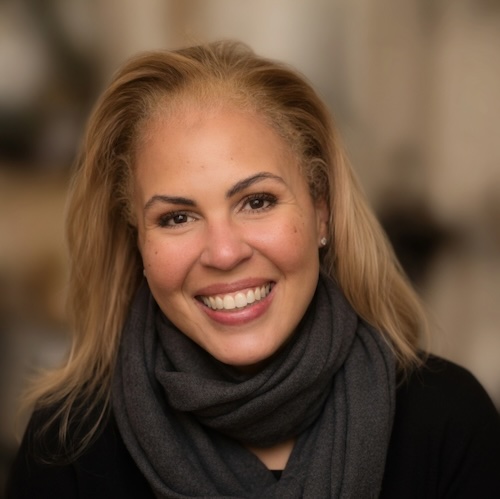
Safiya U. Noble
Noble is UCLA’s David O. Sears Presidential Professor of Social Sciences and co-founder of the Center for Critical Internet Inquiry. She can comment on the impact of the technology industry and artificial intelligence products on IPOs, discrimination in hiring, surveillance, voter disenfranchisement and online digital bias, as well as how the voting public can stay informed and sift through AI “slop” and misinformation.
Email: [email protected]
Lawmaking, policy and the balance of Congress
Chris Tausanovitch
Tausanovitch, a professor of political science, is an expert on Congress, democracy, government, American politics and the legislative process. With Lynn Vavreck, he co-authored “The Bitter End: The 2020 Presidential Campaign and the Challenge to American Democracy.” He can comment on the implications of the upcoming midterms for law and policymaking, representation, accountability and polarization at the federal level. He can also talk about what might get done in a lame duck or next session in Congress in policy areas such as healthcare, abortion, AI and taxes.
Email: [email protected]
Interest rates, inflation and cost of living
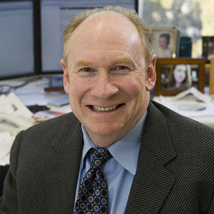
Lee Ohanian
Ohanian is a professor of economics who writes frequently on economic growth, Federal Reserve policy, interest rates, the U.S. economy, government’s role in setting economic policy and the economic lessons of the Great Depression. He can comment on cost of living, interest rates, inflation, the federal budget, the stock market, macroeconomics and the U.S. economy — and their potential impact on the upcoming election.
Email: [email protected]
Voting rights, the Latino vote and political participation
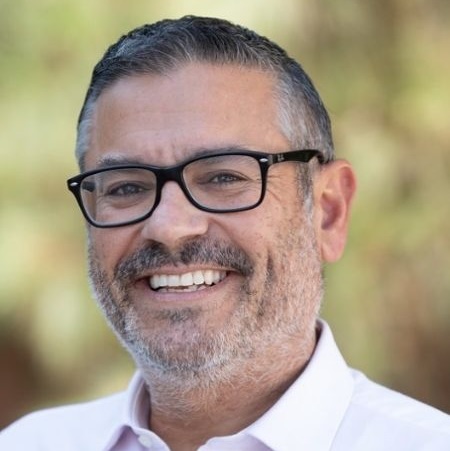
Matt Barreto
Barreto is a professor of political science and Chicana/o and Central American studies and faculty director of the UCLA Voting Rights Project. His research focuses on the political participation of racial and ethnic minorities in the United States. The co-founder of the research and polling firm BSP Research, Barreto was an advisor to Democratic presidential campaigns in 2020 and 2024, as well as the Biden White House and the Democratic National Committee.
Email: [email protected]
Polarization, hate, dehumanization, ICE
Aliza Luft
Luft, an associate professor of sociology, studies how individuals and institutions make moral and political decisions during periods of violence and examines how victimized populations respond. She is acting director of the UCLA Bedari Kindness Institute and the UCLA Initiative to Study Hate, and serves on the steering committee of the UC Institute on Global Conflict and Cooperation.
Email: [email protected]
Immigration, deportations and trade

Raúl Hinojosa-Ojeda
Hinojosa-Ojeda is a professor in the UCLA Department of Chicana/o and Central American Studies and the author of “The Trump Paradox: Migration, Trade, and Racial Politics in U.S.–Mexico Integration.” He researches the impacts of trade, investment and migration in the U.S., Mexico, Latin American and the Pacific Rim.
Email: [email protected]
Political communication, misinformation and polarization
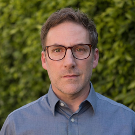
Stuart Soroka
Soroka is a professor of communication and political science whose research focuses on political communication, political behavior, misinformation, negativity bias in news coverage and polarization. He studies the impact of the media on public attitudes towards a broad range of policies, including immigration, defense, welfare and healthcare.
Email: [email protected]
U.S. foreign policy and the Middle East
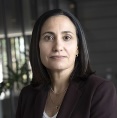
Dalia Dassa Kaye
Dassa Kaye is a senior fellow at the UCLA Burkle Center for International Relations and an expert on U.S. policy in the Middle East, Iran nuclear diplomacy, Arab–Israeli conflicts and diplomacy, and Middle East regional security.
Email Peggy McInerny at the UCLA International Institute: [email protected]
International relations, China and the economy

Kal Raustiala
Raustiala is director of the UCLA Burkle Center for International Relations, associate vice provost of the UCLA International Institute and a law professor. He specializes in international cooperation on regulatory issues, particularly those involving the environment. He has written extensively on the Kyoto Protocol treaty on climate change, the North American Free Trade Agreement, United Nations environmental programs, disputes over genetically modified crops and human rights issues. He can also comment on China’s role in the world economy and its relationship with the United States.
Email: [email protected]
Los Angeles mayoral race, local elections and propositions

Jim Newton
A longtime journalist, Newton is the founding editor-in-chief of Blueprint, a public policy journal published by UCLA. He is an expert on Los Angeles and California politics, government, the First Amendment and press freedom, and the Los Angeles Police Department. He has also written books on former U.S. Secretary of State Leon Panetta, former California Gov. Jerry Brown, the Warren Court and most recently, the life and times of Grateful Dead lead Jerry Garcia.
Email: [email protected]