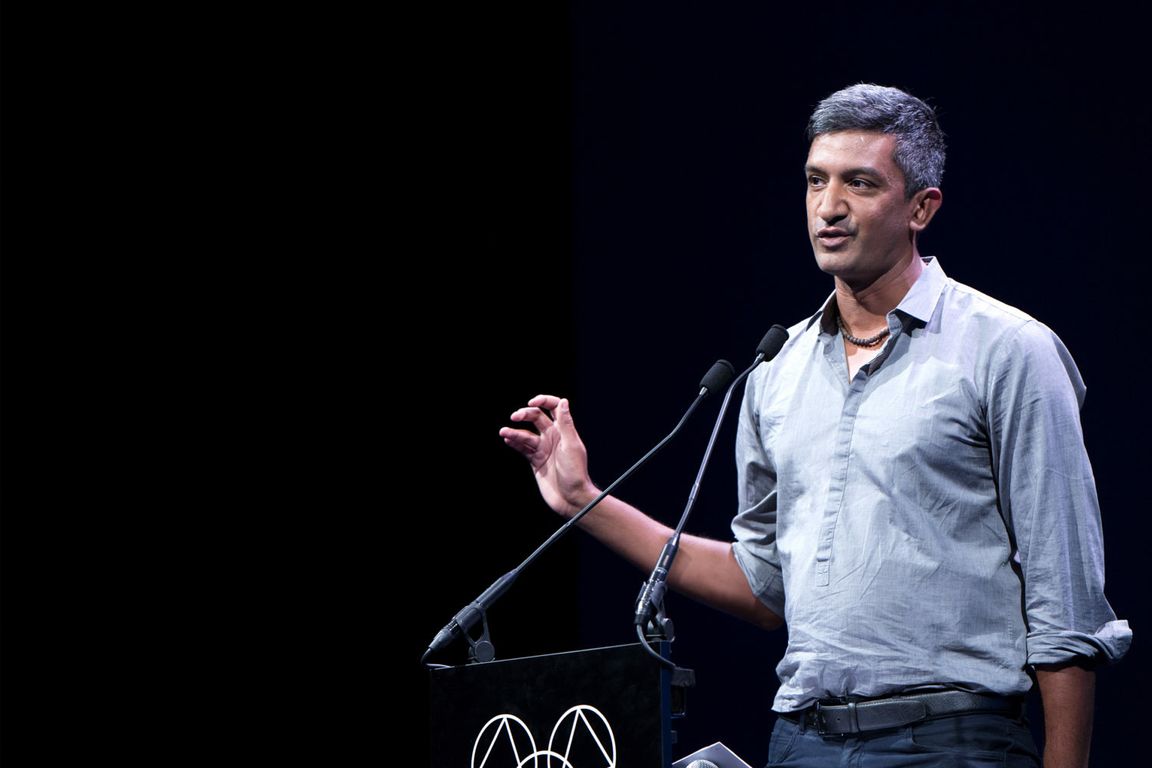
CalMatters spoke with UCLA information studies professor Ramesh Srinivasan about the rise of AI-generated political messaging and its potential role in the 2028 elections. Srinivasan, founder of the UC Digital Cultures Lab, emphasized the need for greater oversight of social media platforms and AI companies, particularly around how personal data is collected and used to target voters with tailored content. Read more about UCLA in today’s Washington Post, Los Angeles Times and other outlets.
See our UCLA in the News daily archive.
More highlights from UCLA in the News: November 23, 2026
No teachers, just AI: Inside the schools changing education | Los Angeles Times
UCLA lecturer Anne Blackstock-Bernstein said the idea that AI-powered software is delivering learning material to students isn’t reassuring. “So much of learning happens collaboratively and in conversation with humans,” Blackstock-Bernstein said. “Until we have more time with this sort of technology, it’s going to be hard to know exactly what is lost when you do that with a machine.”
UC announces systemwide OpenAI deal, faculty urge caution | Los Angeles Times
“The University of California’s purchase of OpenAI licenses for all of its students, faculty and staff is a significant new academic policy masquerading as a procurement issue,” said Greg Leazer, an associate professor of information studies at UCLA. “ChatGPT reduces learning, and substitutes homogenized slop in place of the productive struggle of careful reading, discussion and writing.”
As rising seas batter homes, experts point to buyout solution | Los Angeles Times
“Everything that we’re seeing with El Niño right now shows that we need a planning mechanism like this,” said Julia Stein, deputy director of UCLA School of Law’s Emmett Institute on Climate Change and the Environment. Stein, who helped Allen’s team develop the buy-and-rent-back proposal, said “the problem is only going to intensify and this would help people move in a non-catastrophic, non-traumatic way before the disaster hits.”
Billionaires are tearing down L.A. mansions to build bigger ones | Fortune
The building boom comes as high earners, not a supply shortage, are driving up home prices, according to researchers, and most Californians are struggling to keep up. In 2024, nearly one in five California adults, about 5.9 million people, worried very or somewhat often about paying their rent or mortgage, according to UCLA’s California Health Interview Survey.
Should you mask up for holiday travel? Here’s what experts say | Washington Post
Anne Rimoin, associate dean for global health at the UCLA Fielding School of Public Health, wears a mask on airplanes most of the time, but particularly during respiratory virus season. “It’s a really small inconvenience compared to losing several days of a trip due to any number of things that you can catch,” she said.
60 measles cases this year, more than the past two years combined | CalMatters
Dr. Sanchi Malhotra, a pediatric infectious disease specialist at UCLA Health, called the status loss “embarrassing.” ”Children are getting sick and dying from something we have a very good vaccine against,” Malhotra said.
How to get rid of a stuffy nose ASAP, according to doctors | Good Housekeeping
“Clarifying the timeline is key,” says Dr. Daniel Beswick, an otolaryngologist at UCLA Health. “If it has been a chronic thing or a longstanding thing, it’s actually important to have that looked at. Is there a deviated septum? Is there some other problem inside the nose that could lead to longstanding congestion or longstanding stuffiness?”
Insulin resistance by age 30 quite telling of future heart health | MedPage Today
Insulin resistance in young adulthood was a predictor of atherosclerotic cardiovascular disease, or ASCVD, years down the line in middle age, according to a [Coronary Artery Risk Development in Young Adults] cohort analysis. There were more than 3,000 CARDIA participants who remained under observation and free of ASCVD through year 20 (when they were 38-50 years old), with one in four having shown insulin resistance at baseline (at age 18-30), reported a group led by Dr. Chuyue Wu of the UCLA Fielding School of Public Health in Los Angeles. (Wu was quoted.)