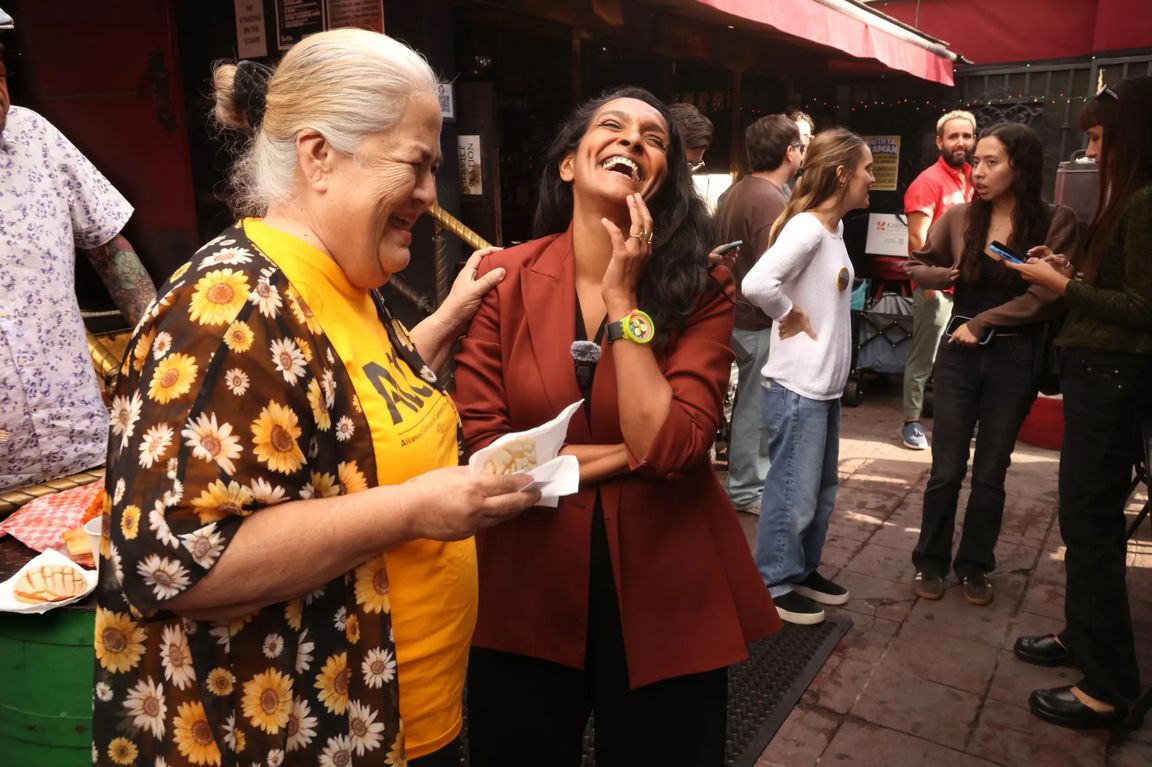
A new poll shows LA City Councilmember Nithya Raman leading Mayor Karen Bass by 11 percentage points, the Los Angeles Times reported, with a third of likely voters still undecided. Zev Yaroslavsky, director of the Los Angeles Initiative at the UCLA Luskin School of Public Affairs, said the results provide a significant political boost for Raman and called the poll’s release “not a good day for the mayor.” (Yaroslavsky was also featured by KCBS-TV — approx. 2:40 mark.) Read more about UCLA in today’s Bay City News Service, BBC and others.
See our UCLA in the News daily archive.
More highlights from UCLA in the News: September 24, 2026
California rules on air pollution from ships under challenge | Los Angeles Times
Ann Carlson, an environmental law professor at UCLA, said the dispute raises novel legal questions. “We’re in uncharted territory, here,” Carlson said. “And that includes complicated questions about separation of powers. We have the judiciary, the executive [branch] and Congress all involved in questions of the exercise of administrative authority.”
The gender divide between Latinos and Latinas | LAist’s “AirTalk”
Research analysis from UCLA looked into voter sentiments of California Latinos and Latinas, with findings showing many issues split on gendered lines. The difference shows up largest among younger voters, with Latinas in the state being much more progressive than Latino men in areas like immigration, and other aspects of President Trump’s agenda that are impacting folks locally.
Fire risk and Berkeley’s new ember ordinance | Bay City News Service
Travis Longcore, an urban ecologist and senior associate director at UCLA’s Institute of the Environment and Sustainability, said studies have reached different conclusions and do not necessarily support every restriction on vegetation. “It’s not that there’s not enough science,” Longcore said. “It’s that there are actual conflicting results that they haven’t resolved.”
How hunter-gatherers ensure they get a good night’s sleep | BBC News
“If you ask hunter-gatherers, ‘Do you ever have trouble sleeping?’ in their native language, they have trouble understanding the concept,” says University of California, Los Angeles, sleep scientist Jerome Siegel, who has studied the sleep patterns of Tanzania’s Hadza, Bolivia’s Tsimane and Namibia’s San communities.