It wasn’t a statue that stopped her.
Jo Anne Van Tilburg M.Ed. ’77, Ph.D. ’86 had already spent years on Rapa Nui, a remote volcanic island in Polynesia better known colloquially as “Easter Island,” cataloguing nearly 900 of its colossal moai, the monumental stone ancestor statues that dot the island. It became the most comprehensive archaeological survey of Easter Island ever performed. But the find that stopped her cold was a canoe.
Not a real one. A petroglyph carved into the base of an excavated moai, hidden below centuries of sediment. The crescent-shaped image depicted a Polynesian vaka, the kind of vessel once used to navigate miles of open ocean. Small. Easy to miss. The sort of mark another archaeologist might have recorded and moved on from. Van Tilburg couldn’t.
Swipe to see and learn more about the island's moai:
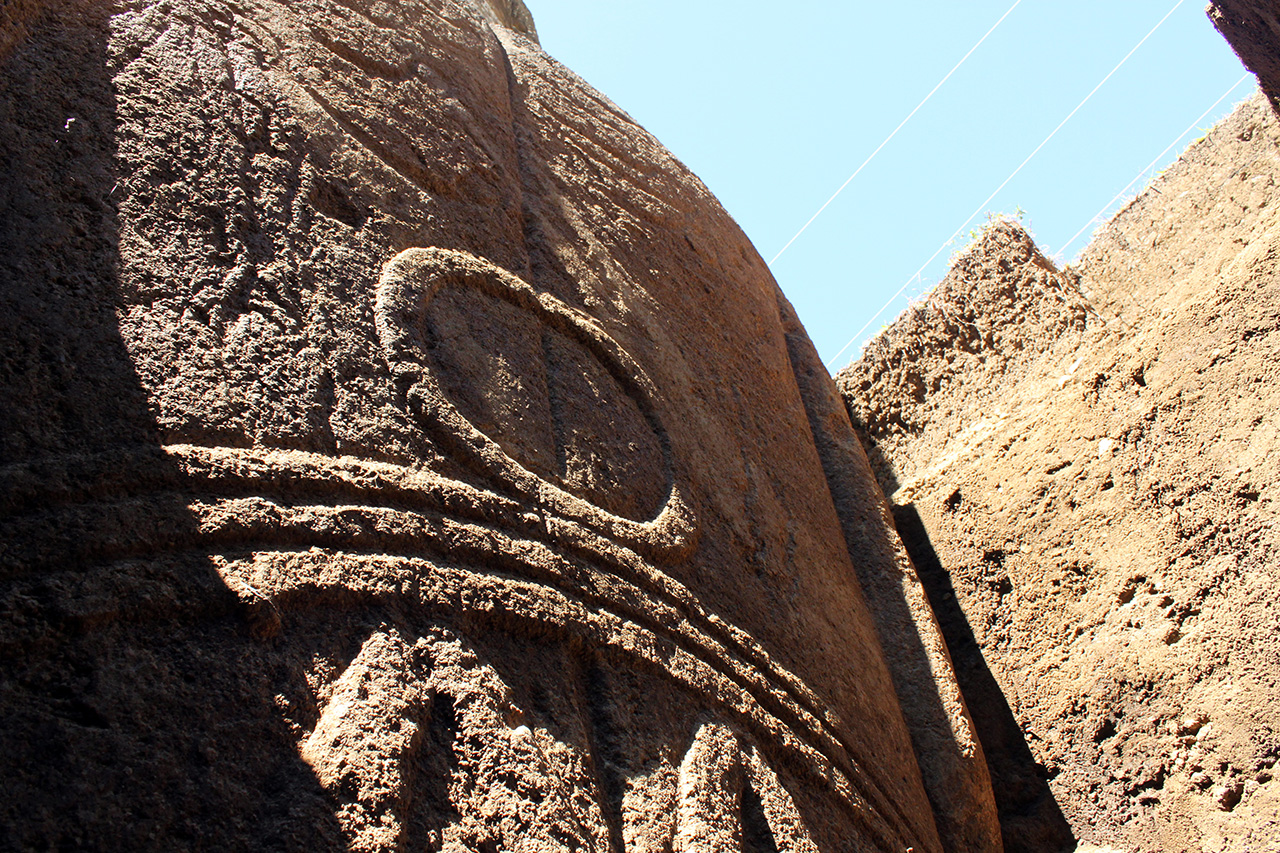
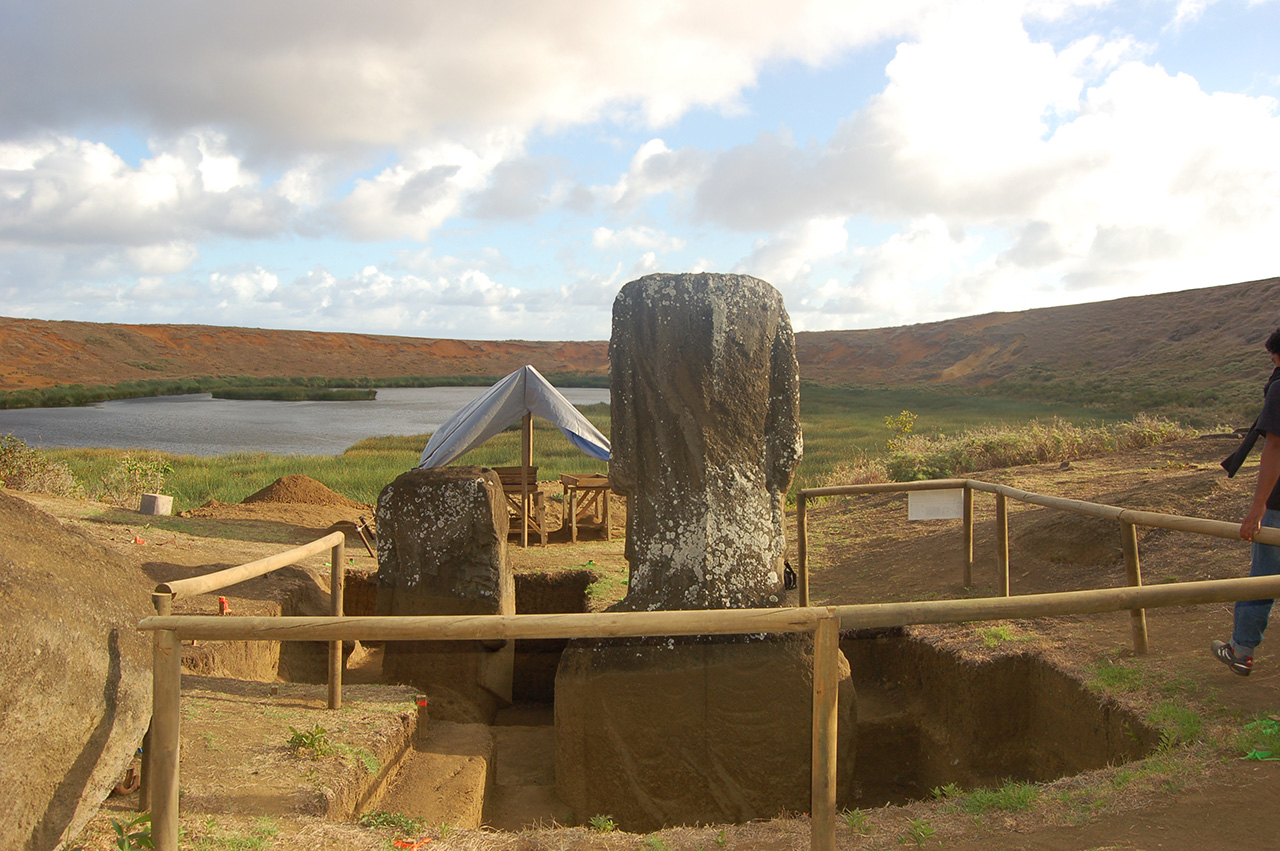
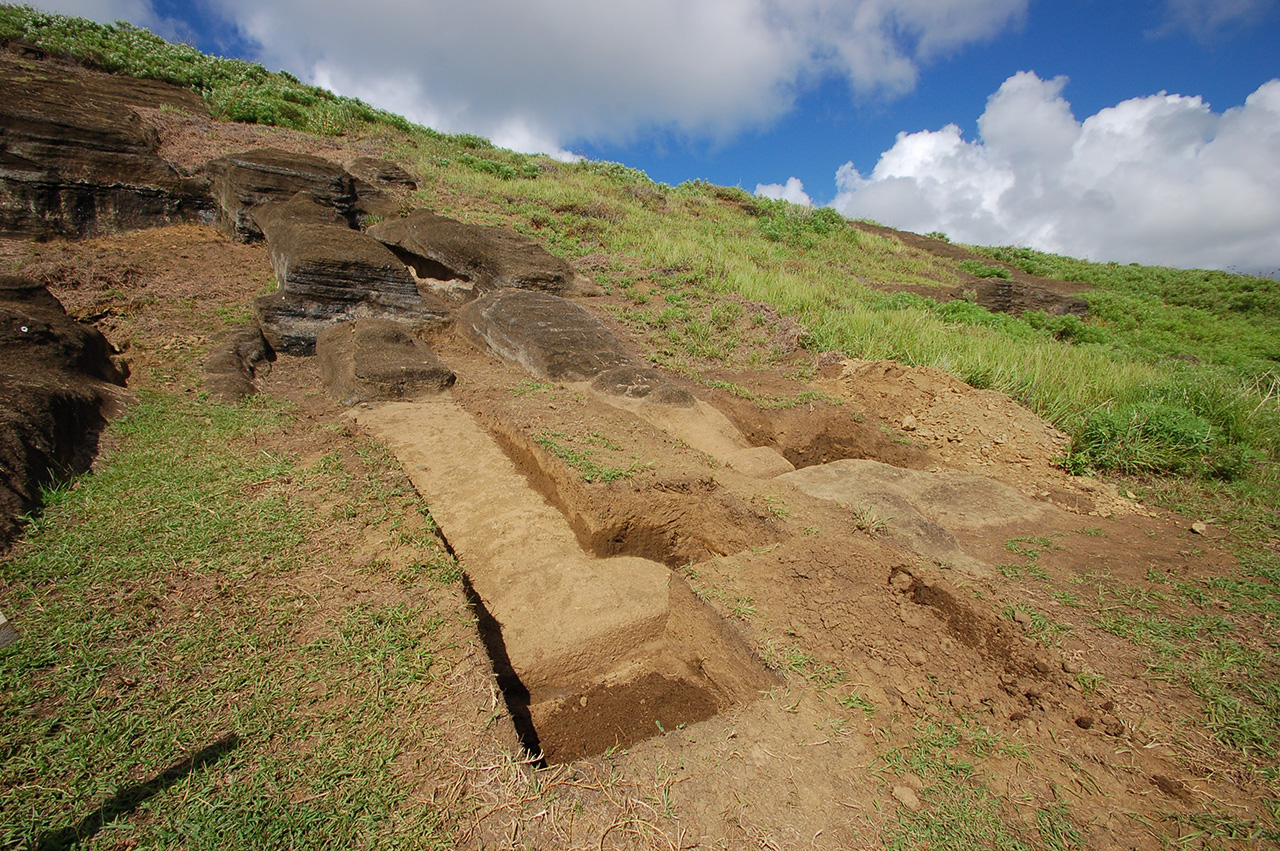
“That was when I realized we really were within shouting distance of the people who made this incredible statue.” She pauses. “It made me shiver.”
Easter Island had captured Van Tilburg's imagination long before she ever set foot there. Growing up in the Twin Cities of Minnesota, she was already fascinated by the island's enigmatic moai. After earning an M.Ed. in educational psychology from UCLA in 1976, she spent several years as a teacher at the UCLA Fernald Center, an early learning school on the UCLA campus, before realizing archaeology was the path she was meant to pursue. She returned to UCLA, and graduate studies took her to Rapa Nui in 1981. She earned her Ph.D. in archaeology from UCLA in 1986 — and, in many ways, never really came home. What began as a rock recording project grew into a life’s work and, eventually, UCLA’s Easter Island Statue Project, supported by the Cotsen Institute of Archaeology.
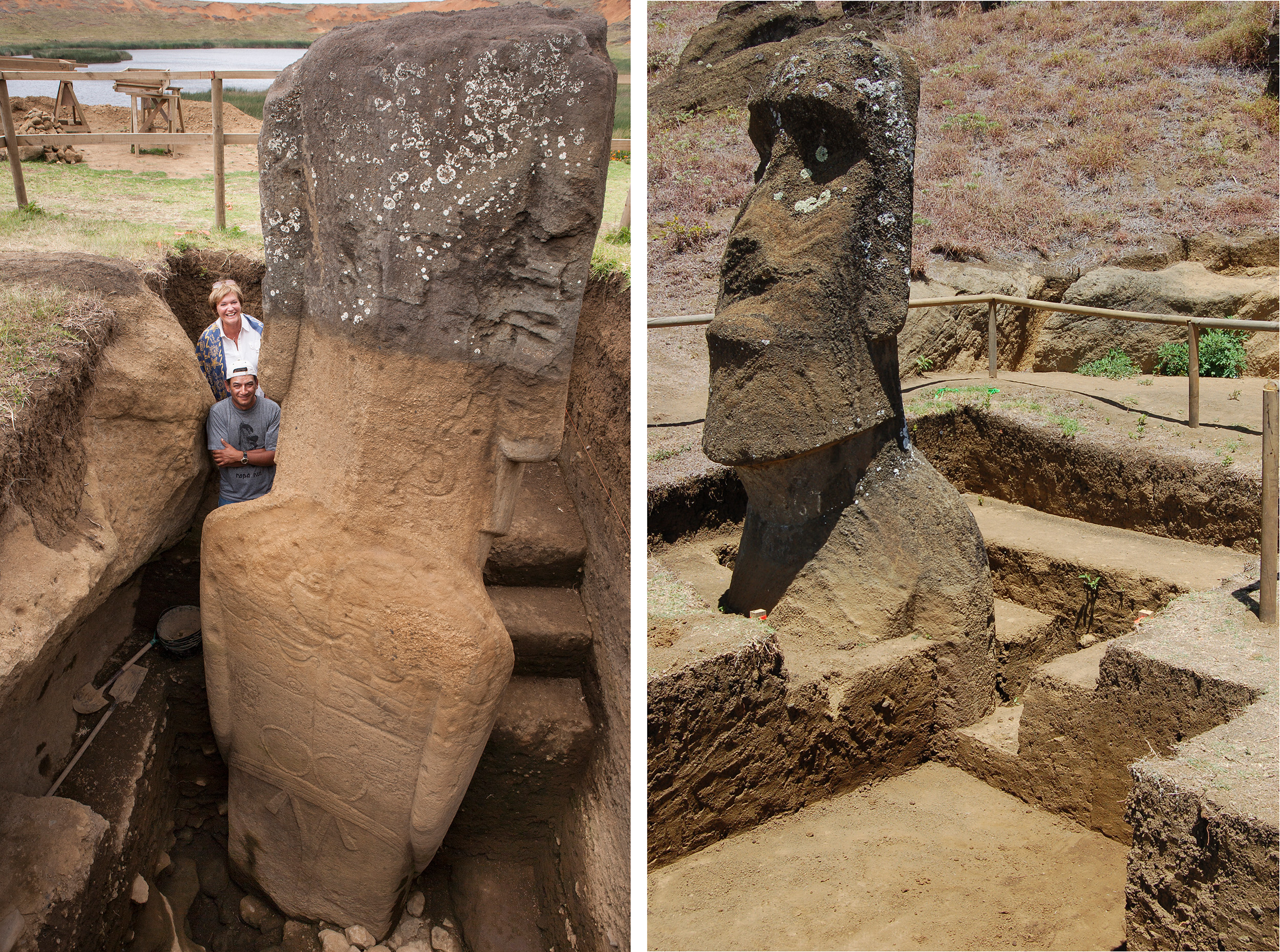
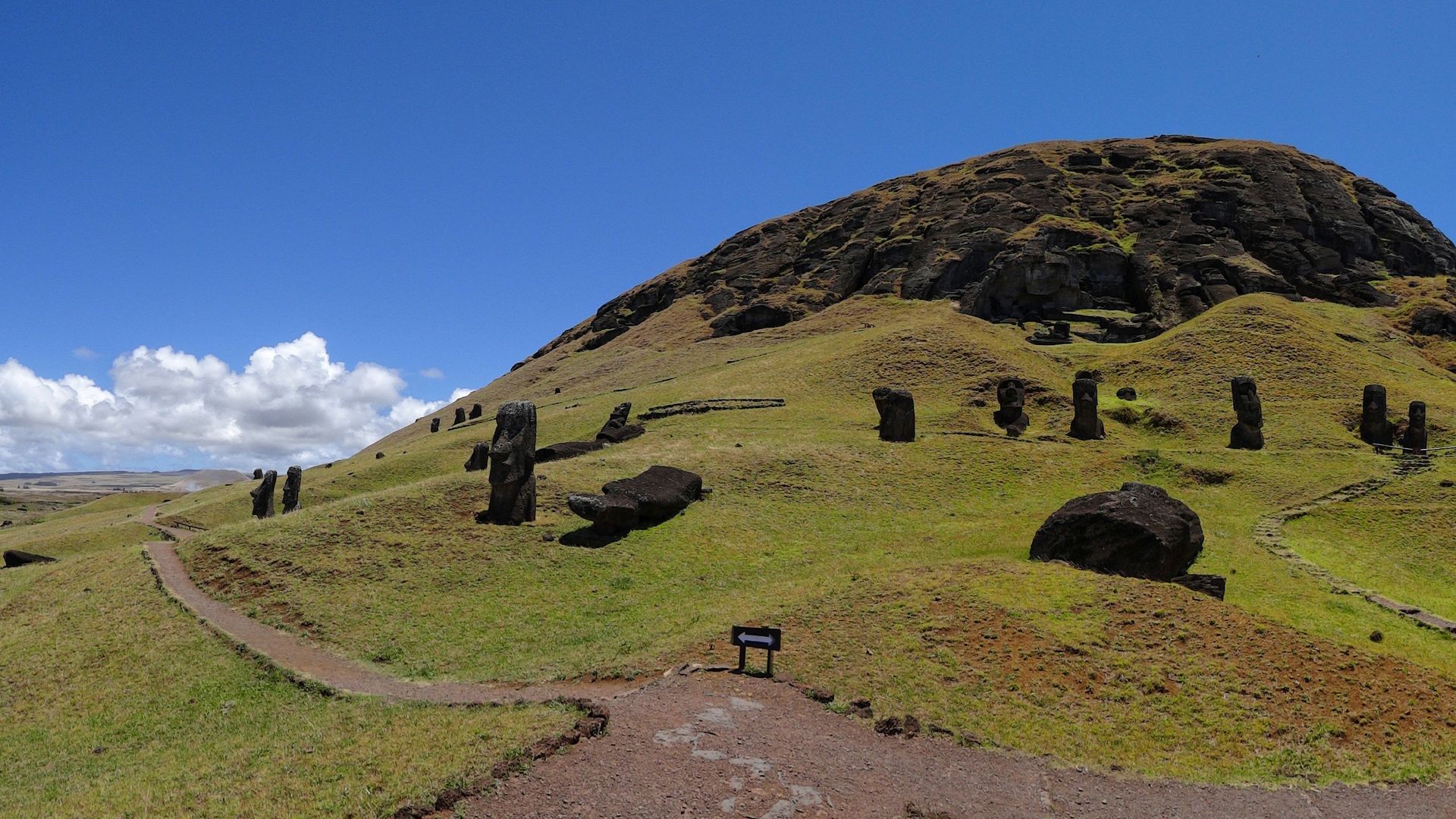
(Right): HEAD SPACE: The most widespread misconception about the Moai, that they are “heads,” is visible here in its unraveling. This excavated figure at Rano Raraku reveals what the surface never showed: a tapered torso extending deep into the earth, the full form of an ancestral being that the Rapanui conceived as complete and whole. Dozens of statues stand upright, buried to varying depths, and appear often as heads only. Van Tilburg’s excavations have shown that the buried portions were carved with the same precision as the visible faces, evidence that these were never intended as monuments designed to be viewed from a single vantage point.
Over the next four decades, Van Tilburg and her collaborators painstakingly documented the moai. Along the way, the project produced discoveries that reshaped archaeologists' understanding of how — and why — the statues were carved and transported. The most consequential findings emerged from excavations at Rano Raraku, the volcanic quarry where about 95% of the island’s known statues were created. Van Tilburg’s team discovered something hidden in the soil itself, upending the dominant narrative about why the moai were created in the first place — and how.
Workers chipped away at the volcanic rock, exposing bedrock fragments that continuously flooded the surrounding earth with mineral fertilizer rich in calcium and phosphorus. The quarry was an accidental agricultural engine. Researchers found evidence of sweet potato, taro, banana and paper mulberry bark, whose fibers were likely braided into ropes to transport statues. Monument building and farming weren’t separate endeavors. They were one and the same.
The statues that remain inside the quarry, long assumed to have been abandoned, were likely meant to stay there all along as spiritual sentinels. In Rapanui belief, the statues possessed mana — powers that guaranteed bountiful land.
“The moai were central to the idea of fertility,” Van Tilburg says. “Their presence was believed to stimulate agricultural food production.” Carving the ancestors into stone, it turns out, fed the living. “I hope the world understands that this is not mysterious,” she says. “Look at this as an accomplishment of a talented, capable, inspiring group of people.”
Read more from UCLA Magazine’s Fall 2026 issue.