The team launching the UCLA Depression Grand Challenge is inviting non-represented staff members to participate in a groundbreaking, campuswide initiative aimed at understanding, preventing and treating depression.
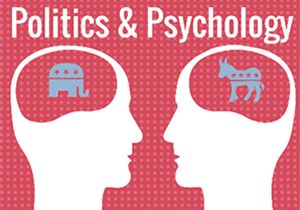
UCLA researchers found that this was driven by participants’ views on social issues, such as marriage for same-sex couples, rather than economic issues, like tax cuts.
The pain of loneliness can cut deeper than a knife. But its implications go beyond inner turmoil and the corrosion of emotional health. It can contribute to a host of debilitating and sometimes lethal diseases.
Cassie Mogilner Holmes has been exploring the relationship between happiness, time and money for almost a decade. She’s looked deeply into such intriguing questions as: Does the meaning of happiness change as people age?
An multidisciplinary team designed an algorithm that could discern structured narratives within the flow of posts on the internet reflecting how humans communicate.
A study by UCLA researchers found that a noninvasive method can help to determine whether an individual will enter remission after just one week of medical treatment.
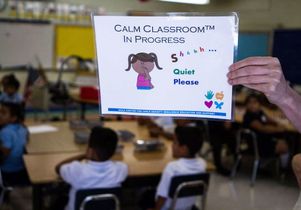
Behind the move to bring mindfulness into the school day is the UCLA Center for Child Anxiety Resilience Education and Support (CARES), which sponsors this and other programs that support student resilience.
Mindfulness, a practice that’s growing in popularity, has made its way into classrooms in Watts, thanks to the UCLA Center for Child Anxiety Resilience and Support.
The findings could provide scientists with a better understanding of how the brain goes awry in conditions like learning disorders and social anxiety disorder.
Magali Delmas, an environmental economist at UCLA, has been focusing on finding the most effective strategies to motivate people to change their behavior and conserve electricity.
"The Center Cannot Hold" tells the life story of Elyn Saks, professor of psychiatry and law, whose schizophrenic episodes began when she was in high school and worsened when she was a student at Yale Law School.
It’s important for medical professionals to understand that one’s gender identity as man, woman or trans is different from one’s sexual identity as gay, bisexual, lesbian or heterosexual.
Professors Sholmo Benartzi and Alan Castel say that as people age, they tend to focus on positive memories and those blindspots to past negatives can have bad financial consequences.
Many midlife and older gay men experience the stress of being part of a sexual minority group. They perceive that they need to conceal their sexual orientation, or that others are uncomfortable with or avoid them because they are gay.
The latest research on the impact of microbes inside our bodies on brain development, function and behavior, from UCLA scientist and Sloan Foundation 'rising star' Elaine Hsaio.
With decades of experience in helping people with psychosis regain their place in society, UCLA neuroscientist Michael Green and his team of 10 psychiatrists, psychologists and other neuroscientists will look for ways to help formerly homeless veterans make the same transition.