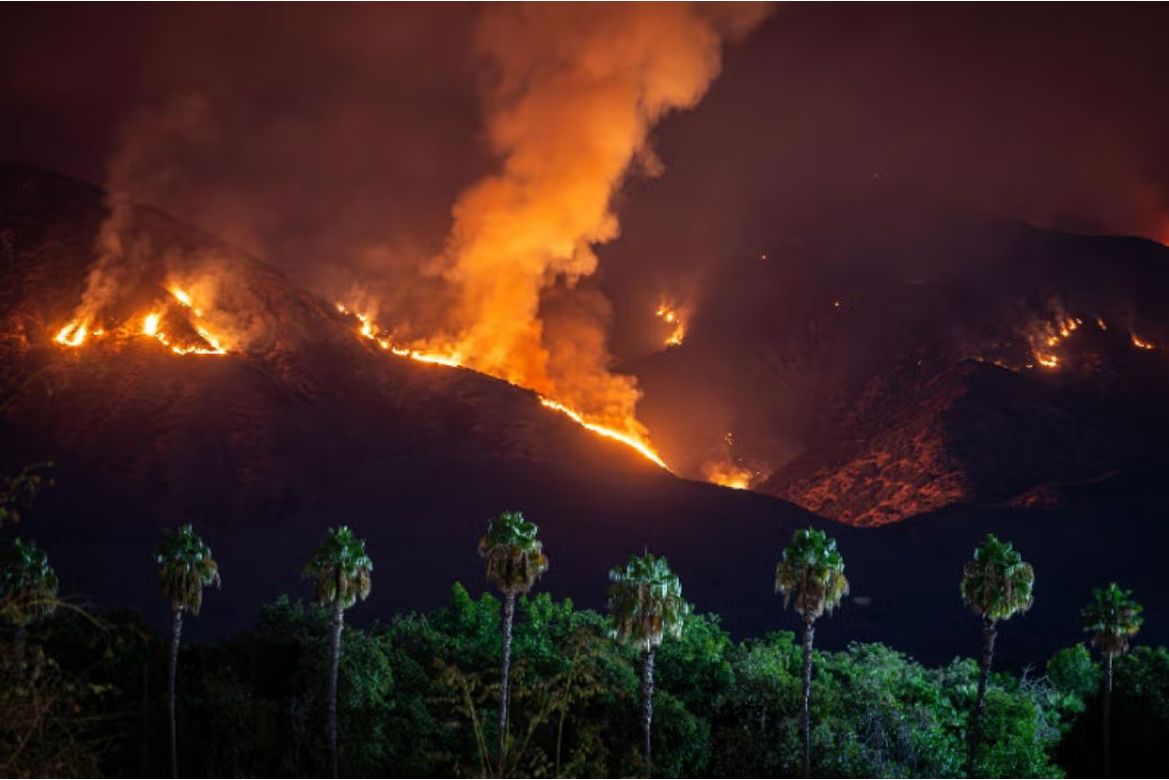
When the Palisades and Eaton wildfires tore through Los Angeles in January 2025, smoke blanketed the region and air quality plunged into the hazardous range. It was a vivid example of a growing public health problem: Wildfire season is lasting longer, and smoke pollution is becoming a serious health threat.
Fine smoke particles have been linked to lung disease, stroke, heart disease and cancer. But how they injure the cells lining our airways has been difficult to pin down. The airway normally has two lines of defense: sticky mucus that traps inhaled viruses, dust and pollution, and tiny hairlike structures called cilia that sweep mucus up and out.
Now, UCLA researchers have shown that wildfire smoke attacks both defenses at once. It slows down or stops the movement of cilia and weakens the connections between airway cells, allowing harmful particles to get deeper into the body. They also identified a cell signal that contributes to the damage and found that blocking it protected human airway tissue in the lab. The findings were published in Environmental Health Perspectives.
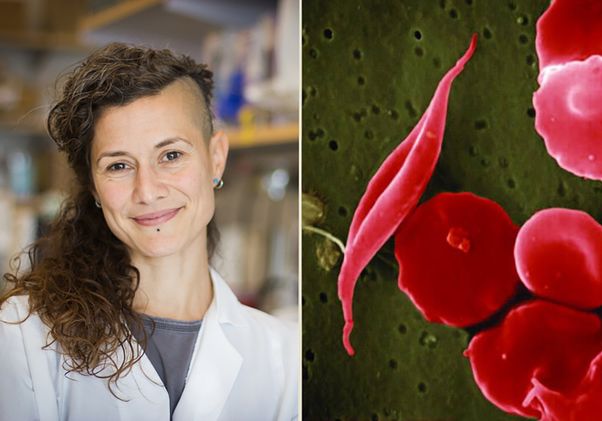
“People talk about the lung as a gateway,” said co-senior author Dr. Brigitte Gomperts, professor of pediatrics and pulmonary medicine at the David Geffen School of Medicine at UCLA and associate director of translational research at the UCLA Broad Stem Cell Research Center. “If the particles are small enough, and if they can break down the airway barrier, they can get into your brain and your heart, where they can cause inflammation. I call it an insidious threat.”
The researchers also identified a cell-signaling pathway that appears to play an important role in this damage. When they used a drug called pimasertib to block the pathway before exposing the airway tissue to smoke, the cilia continued working better and the protective barrier remained stronger. This suggests that blocking the pathway may help protect the airways from wildfire smoke.
Although the findings are promising, the research is still in its early stages. The drug was tested in lab-grown tissue, not in people, and it was given before smoke exposure rather than after damage occurred. Researchers hope to develop an inhaler or nasal spray that could protect people before exposure — particularly firefighters, children and people with heart or lung conditions. More research is needed to test its safety and effectiveness before it can become available to the public.