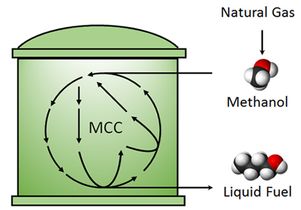
Researchers at UCLA have developed a more efficient way to turn methanol into useful chemicals, like liquid fuels, that would lower production costs in addition to reducing emission of the greenhouse gas.
Plants worldwide are more sensitive to drought than many scientists realized. The research may improve predictions of which plant species will survive climate change.
The Burkle Global Impact Initiative, which was created at UCLA to educate the public about international and humanitarian affairs by working within the creative community, helped produce a video for the United Nations Climate Summit that took place Tuesday in New York.
Thomas Smith of the Institute of the Environment and Sustainability says the next great extinction could be upon us, but humans can help threatened species survive.
UCLA professor Tom Smith says human-driven evolution is creating drug-resistant diseases, pesticide-proof bugs and mass extinctions due to climate change. "We can either choose to manage evolutionary processes or not, but evolutionary change will proceed regardless."
Six proposals led primarily by UCLA units are vying with 261 others for grant funding by the Goldhirsh Foundation, which is hoping to jump-start projects that will make L.A. the best place to play, to connect, to live, create and learn by 2050.
Environmental, atmospheric and oceanic researchers at UCLA will create a first-of-its-kind model of how coastal waters will react to climate change this century.
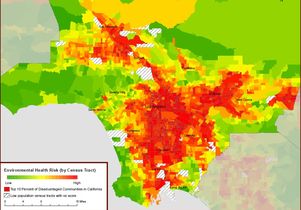
Nearly 4 in 10 Los Angeles County residents live in environmentally vulnerable communities burdened by air pollution and other risk factors, according to a study by the UCLA Luskin Center for Innovation and The Environmental Defense Fund.
Daniela Cusack and her fellow scientists who have been working for two years on finding a strategy to reduce global warming have concluded that we cannot engineer our way out of climate change.
A new report by professors from UCLA and five other universities concludes that climate engineering won't suffice, and we have to cut down the amount of carbon being released into the atmosphere.
Alex Hall, a professor in UCLA’s Department of Atmospheric and Oceanic Sciences and Institute of Environment and Sustainability, appears in “Years of Living Dangerously,” airing June 2 on Showtime, and explains how climate change will impact our lives.
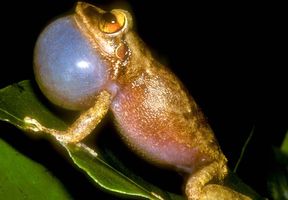
UCLA scientists found that not only have male coquis become smaller, but their mating call has also become shorter and higher pitched; the researchers attribute the change to Puerto Rico's warmer temperatures.
The frustrated attempts of a UCLA graduate student to quantify the amount of water draining from Greenland's melting ice sheet led him to devise a new way to measure river flows using satellite images.
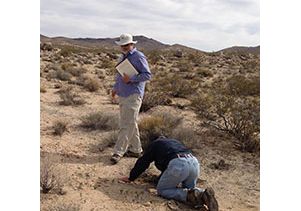
In the debate about which plant and animal species endangered by climate change should be rescued and which are expendable, a small band of UCLA botanists is fervently championing a desert plant most of us have never seen or heard of.
A major new environmental research project is the first of UCLA's six Grand Challenges, which aim to address pressing societal issues through multidisciplinary innovations and breakthroughs.
Snowfall will drop by 30 to 40 percent in Los Angeles-area mountains by midcentury due to climate change, and things could get worse by 2100 if we don't rein in greenhouse gases, according to a UCLA study.