UCLA is tied for third in the number of people honored this year by the Alfred P. Sloan Foundation, which selects early-career scientists who are rising stars of science.
The five-year project funded by the National Institute of Allergy and Infectious Diseases will involve three projects to investigate factors that accelerate and prevent the re-emergence of HIV.
Chimeric antigen receptor T cell therapy fights disease by bolstering the body’s own natural defenses. Josh Feldman, diagnosed with lymphoma after returning from his honeymoon, knows the difference it can make.
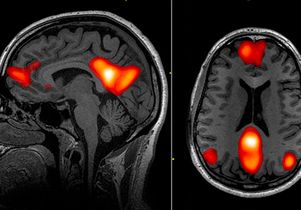
“If the results ... are replicated in future studies, the methods we used could potentially give clinicians a new predictive tool,” said UCLA doctoral student Nicco Reggente.
UCLA hosted California Assembly Speaker Anthony Rendon’s lecture series featuring three artists talking about how their work responds to and shapes their worlds.
Their technique would enable an average biochemistry laboratory to make its own sequences for only about $2 per gene, far less than the $50 to $100 per gene commercial vendors charge.
Hong shares what it was like to run a leg in the torch relay for the 2018 Winter Olympics in Pyeongchang, South Korea, and the future of robot athletics.
A UCLA-led analysis identifies brain measures of major psychiatric disease. Researchers also pinpointed important differences in these disorders’ gene expression.
In UCLA’s 124th Faculty Research Lecture historian Ellen DuBois will share details of the story, which remains as vital today as it when it was happening.