People who become targets of discrimination can suffer effects ranging from low self-esteem to a higher risk for developing stress-related disorders such as anxiety and depression.
UCLA Extension writing instructor Nathan Deuel writes about how exploring the in-between spaces of Los Angeles enhances one’s powers of observations and appreciation of the city.
A Ph.D. student at UCLA has created a startup with a friend that offers a geolocation-based app to assist instructors with taking class attendance while helping students keep up with deadlines. But there’s a twist.
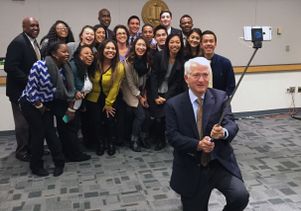
Chancellor Gene Block and students meet with congressional leaders, White House officials and executives from cultural and advocacy groups to talk candidly about race, diversity and immigration.
Ann Karagozian, a longtime professor of mechanical and aerospace engineering and former chair of the UCLA Academic Senate, has been named interim vice chancellor for research.
There are more than 100 research projects that will help conserve, invent and incentivize the county to fully renewable energy, 100 percent local water and a healthier ecosystem.
The campus continued to attract large numbers of California applicants who would be the first in their family to graduate from a four-year college and students from low-income families.
Johnese Spisso, a nationally recognized academic health care leader, will oversee all operations of UCLA’s hospitals and clinics as well as the health system’s regional outreach strategy, effective Feb. 8.
English professor Matthew Fisher writes about the history of reproducing manuscripts and what has been lost as duplication and widespread dissemination became easier.
The plan is a key step in UCLA’s Sustainable LA Grand Challenge, which aims to move the county to 100 percent renewable energy, 100 percent local water and enhanced ecosystem health by 2050.
Through a systematic review of Alzheimer’s studies, Ron Brookmeyer’s team at UCLA has found that the rate of being diagnosed with the disease doubles every five years in older populations.
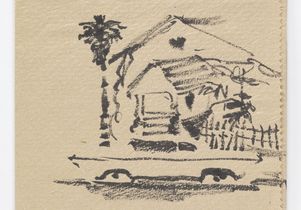
This comprehensive survey opens in February and includes nearly 2,000 works, the inspiration for which Montoya drew from the field workers, farm towns, and port cities of post-World War II California.
The founding director of UCLA’s Ahmanson-Lovelace Brain Mapping Center is now vice chancellor for UCLA Health Sciences and chief executive officer of UCLA Health. And he’s still in awe of the brain and its complicated choreography.
UCLA Anderson alumna Sandy Tesch Wilkins is part of a solid core of Anderson students and alumni who are intent on putting their business skills to use in positive ways to have social impact.