After 10 weeks, children who had received a UCLA-developed intervention for autism were spending more time interacting with others rather than playing independently.
UCLA researchers have identified a signature brain-wave pattern for children with autism spectrum disorder related to a genetic condition. They say this signature is among the first quantitative biomarkers for any syndrome associated with autism spectrum disorder.
The Good Food for Local Schools website features resources from UC and other sources that reflect innovative thinking and practices related to healthy and sustainable pre-K-12 school food options.
UCLA and the Los Angeles LGBT Center have developed a risk calculator that could help men who have sex with men decide whether to take pre-exposure prophylaxis.
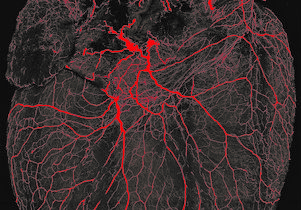
Researchers believe that modulating electrical signals in the autonomic nervous system holds promise for better ways to treat heart failure and other common cardiovascular problems.
UCLA-led research found people with advanced head and neck squamous cell carcinoma and a certain genetic mutation have improved survival when given a drug in combination with standard therapies.
The pain of loneliness can cut deeper than a knife. But its implications go beyond inner turmoil and the corrosion of emotional health. It can contribute to a host of debilitating and sometimes lethal diseases.
Misuse of prescription and illicit drugs is so prevalent in Tijuana and East Los Angeles that community clinics in those areas should routinely, though discreetly, screen for it.
Joan Asarnow is working on a pair of projects aimed at combating rising suicide rates among young people and changing prevention and care throughout the U.S.
There are ways to both enjoy the holidays and keep healthy at the same time, says Erin Morse, chief clinical dietitian at the Ronald Reagan UCLA Medical Center.
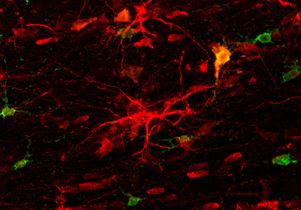
The team found a way to correct the instability by resetting the stem cells from a later stage of development to an earlier stage. These results could have great impact on the creation of healthy tissues to cure disease.
The findings could help improve upon standard behavioral therapy, in which people are exposed to the objects they’re afraid of — which can be frightening enough that some cannot complete treatment.
UCLA researchers have found that Tianshengyuan-1 increased activity of an enzyme that plays a role in regulating cell division, which is a factor in treating blood cell deficiency and cancer.
The California Health Interview Survey data show the rate of uninsured Californians fell to a new low in 2015, and fewer Californians cited cost as a reason to skip needed medical care.
The approach being tested at UCLA is designed to boost patients’ abilities to move their own hands; it’s unique because the device is implanted in the spine instead of the brain.
Researchers from the schools of dentistry, medicine and engineering developed a digital health platform capable of optimizing efficacy and safety during chemotherapy.
UCLA scientists have already established national and international collaborations, begun a series of studies and implemented a program that screens and treats students for depression.
Cassie Mogilner Holmes has been exploring the relationship between happiness, time and money for almost a decade. She’s looked deeply into such intriguing questions as: Does the meaning of happiness change as people age?