UCLA in the News

Coverage of UCLA in the world's news media, aggregated daily

Results

ICE arrests are rising again in California. A UCLA expert explains what’s changed — and more UCLA media

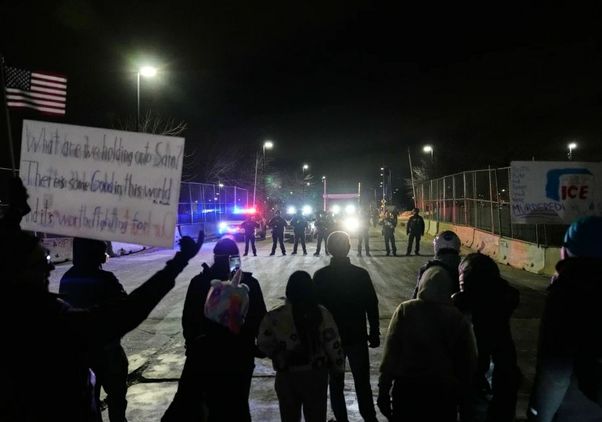
The San Francisco Chronicle reported on newly released data showing that ICE arrests are continuing at high levels across California — even as the agency has moved away from the high-profile raids seen last year. UCLA professor Paul Ong said the agency appears to be shifting toward arrests in places where agents can avoid public scrutiny, such as courthouses and farms, a strategy he believes may explain the recent uptick in arrests nationally and in Los Angeles. Ong also noted that recent changes to immigrants’ legal protections have expanded the number of people vulnerable to arrest and deportation. Read more about UCLA in today’s New York Times, BBC and others.


Experts suggest committing to friendships like the gym — and more UCLA media

The New York Times’ wellness newsletter explored why friendships are so important and how to sustain them as busy adults. Jaimie Arona Krems, director of the UCLA Center for Friendship Research, said the concept of tracking friendships — as one does on a fitness app — isn’t too far off the mark. While the standard health advice is to “eat your veggies, drink your water and get your sleep,” she said, “I’m shocked that friends aren’t on there, too.” Krems and others suggest planning ahead to connect with friends in odd pockets of time and by using different technology platforms that work for them. Read more about UCLA in today’s Politico, Spectrum News 1 and others.

Homelessness rising for California students, UCLA study finds — and more UCLA media

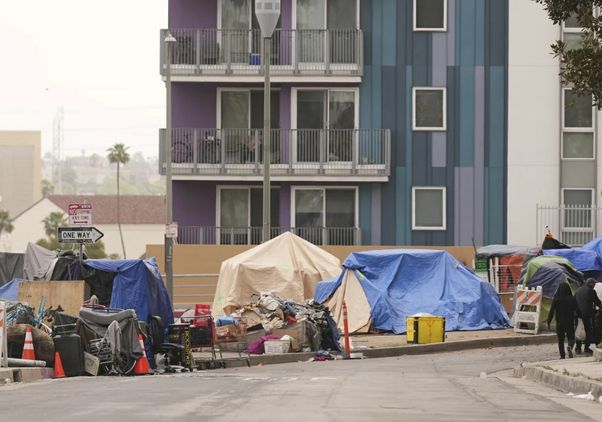
City News Service reported that the number of California students experiencing homelessness rose 10% from the 2018–19 school year to a record 298,254 students in 2024–25, according to a UCLA study released Wednesday. Southern California is home to seven of the 10 school districts with the highest numbers of students experiencing homelessness, according to the UCLA Center for the Transformation of Schools. “These numbers are particularly concerning given the extensive evidence documenting the harmful effects of housing instability on children’s development, health and educational outcomes,” said Grace Kim, a research analyst at the center and lead author of the report. (UCLA’s Joseph Bishop was also quoted. Also: EdSource and KTTV-TV.) Read more about UCLA in today’s Los Angeles Times, NPR and others.

Student homelessness rises in California even as overall enrollment falls — and more UCLA media

LAist reported that a new study found nearly 300,000 California K–12 students experienced homelessness in the 2024–25 school year, the highest rate recorded by UCLA researchers and a 10% increase from the 2018–19 peak. “The sheer magnitude of how many students are experiencing homelessness and how much it’s increased, that was the biggest finding for us,” said Grace Kim, study co-author and research analyst at the UCLA Center for the Transformation of Schools. Students experiencing homelessness are more likely to frequently miss school and fall behind academically. Read more about UCLA in today’s Los Angeles Times, NPR and others.

Why this summer’s Los Angeles heat waves feel so miserable — and more UCLA media

The Los Angeles Times reported on the unusual heat wave descending on the region this week, in which a combination of hotter nights and high humidity is leaving Angelenos feeling little relief. Multiple factors contribute to a person’s thermal burden, or the amount of heat their body carries, said Bharat Venkat, a medical anthropologist and director of the UCLA Heat Lab. Humidity is a critical one, he says — since muggy air can hold less moisture, the sweat on a person’s body doesn’t evaporate as swiftly. “Sweating is the most powerful mechanism our body has at its disposal to cool us down,” Venkat said. Read more about UCLA in today’s National Geographic Magazine, CNN and others.

People can vote for the fattest marmots this week to promote alpine research — and more UCLA media

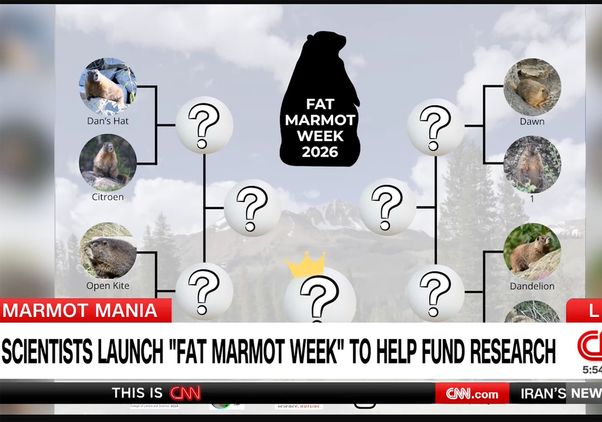
During a segment about Fat Marmot Week — a fun challenge that invites everyone to learn more about marmots — CNN spoke to Dan Blumstein, UCLA professor of ecology and evolutionary biology, about why long-term research, such as the Rocky Mountain Biological Laboratory Marmot Project, is important. “This is the second-longest study of individually marked mammals in the world, second only to the Jane Goodall study of chimpanzees,” Blumstein said. “Long-term studies give us the ability to understand how organisms, whether they're plants or animals, respond to environmental change.” (Also: LAist and KTLA-TV.) Read more about UCLA in today's Los Angeles Times, NPR and Bloomberg Law.

Move over, Fat Bear Week. Fat Marmot Week is here — and more UCLA media

The Associated Press reported on a UCLA-led effort to raise funds for a project surveying marmots in Colorado’s Rocky Mountains, where the population declined by two-thirds during last year’s hibernation due to insufficient snow cover. Like Fat Bear Week, Fat Marmot Week is mostly for fun, but it also has a serious side: Scientists need to drum up donations to sustain their long-running research into the rodents amid federal funding cuts. “In some sense, we’re going to be laughing our way down as the Titanic sinks,” said Dan Blumstein, professor of ecology and evolutionary biology at UCLA and co-director of the Rocky Mountain Biological Laboratory Marmot Project. “Because what else are you going to do?” (UCLA’s Emily Renkey and Katie Adler were also quoted.) Read more about UCLA in today’s Los Angeles Times, Miami Herald and other outlets.

Could a personalized vaccine help keep cancer from coming back? — and more UCLA media

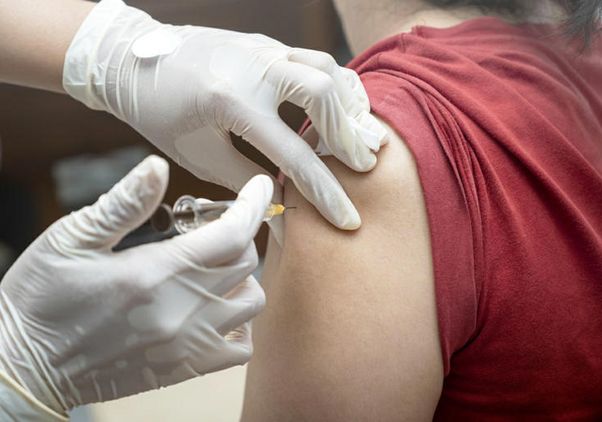
The Washington Post reported on promising results from a phase 3 trial of a personalized mRNA vaccine designed to prevent melanoma from returning after surgery. “This is exciting,” said Dr. Antoni Ribas, professor of medicine at the David Geffen School of Medicine at UCLA and director of the UCLA Health Jonsson Comprehensive Cancer Center’s tumor immunology and immunotherapy Program. “That hasn’t happened ever, with any cancer vaccine.” The treatment, which is tailored to mutations in an individual patient’s tumor and given alongside an existing immunotherapy, could eventually point toward new approaches for treating other cancers as well. Read more about UCLA in today’s Associated Press, New York Times and others.

Why Gen Z turns to parents over influencers for answers on faith — and more UCLA media

USA Today reported on a new UCLA Center for Scholars & Storytellers study examining how Gen Z and Gen Alpha use media to explore religion, spirituality and identity. Yalda T. Uhls, the center’s founder and CEO and an adjunct professor of psychology at UCLA, said researchers were surprised to find that young people still primarily seek trusted guidance from people they know, including faith leaders and parents, even as online content increasingly shapes their beliefs and sense of belonging. “Gen Z and Gen Alpha are redefining what religion and spirituality look like in the digital age,” Uhls said. “They have an appetite for authentic content that reflects and amplifies their beliefs and practices.” Read more about UCLA in today’s CBS News, New York Times and others.

Real wage losses are at the root of low consumer sentiment — and other UCLA media

Marketplace reported on new findings that the average worker in the U.S. who stayed in their job between 2021 and 2024 saw their wages decline by 9% after inflation. It also found that this real wage decline — rather than inflation itself — is at the root of poor consumer sentiment. Tia Koonse, the policy director at the UCLA Labor Center, explains that if salaries go up but grocery prices go up more, a person’s real wage has gone down. “It's not rocket science, right? You gotta increase your wage to keep pace with inflation,” she said. Read more about UCLA in today’s Wall Street Journal, Los Angeles Times and others.

What the newest research on wildfire smoke tells us — and more UCLA media

The New York Times reported on what scientists are discovering about toxins in wildfire smoke, as exposure to unhealthy air is rising in a world experiencing far more fires due to climate change. Dr. Kari Nadeau, dean of the UCLA Fielding School of Public Health, said standard measurements of toxic particles may be understating the risk, given that they don’t account for other substances that wildfire smoke can contain, including lead, mercury and formaldehyde. Nadeau, who is studying the consequences of the 2025 Los Angeles fires, has found that fires in populated areas may be especially toxic because they consume things like buildings, vehicles and electronics. Read more about UCLA in today’s People, CNN and others.

Federal agents monitored groups protesting immigration enforcement in Minneapolis — and more UCLA media

The Associated Press reported on court documents showing that federal agents conducted an undercover surveillance operation involving organizations and labor unions protesting immigration enforcement in Minneapolis. UCLA law professor Ahilan Arulanantham said the scope of the surveillance was concerning and could discourage people from expressing their beliefs out of fear that doing so could prompt federal scrutiny. The documents describe agents attending meetings, monitoring activist group chats and using license plate information to identify people who attended gatherings. Read more about UCLA in today’s Vox, Los Angeles Magazine and others.

LA Mayor Bass wants public transit to be free. Metro puts that price tag at over $1 billion — and more UCLA Media

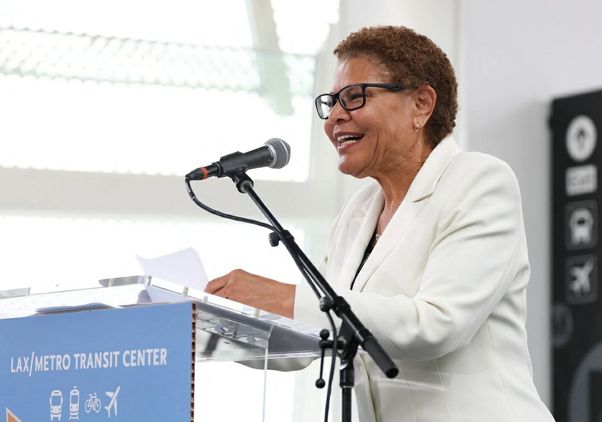
LAist reported on Mayor Karen Bass’ support for fare-free Metro as the agency weighs the costs and potential consequences of eliminating fares. According to Brian Taylor, a research professor of urban planning and public policy at UCLA, there’s a good economic case for transit systems to go fareless when a large share of its riders are low-income and fares cover less than roughly 10% of operating costs. Los Angeles Metro meets both conditions, he said. Read more about UCLA in today’s New York Times, Washington Post and other outlets.

As Medicare pays less for cataract surgery, doctors turn to moneymaking lasers — and more UCLA media

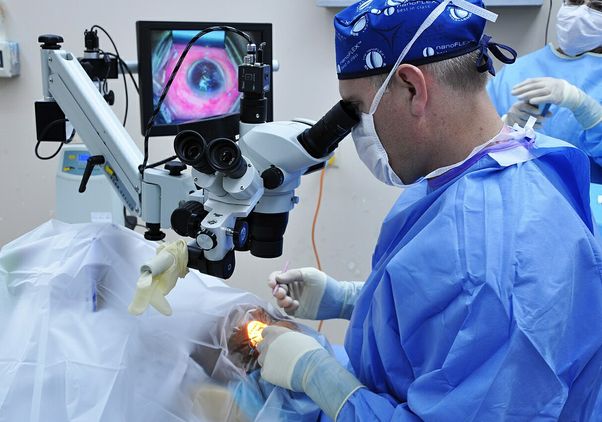
CBS News HealthWatch reported on the rising use of pricier laser-assisted cataract procedures, despite studies showing they do not outperform traditional surgery. As Medicare reimbursements for cataract surgery continue to decline, the laser procedures can provide ophthalmologists with an additional source of revenue while potentially reducing patients’ reliance on eyeglasses. “It’s a win-win for patient and doctor,” said Kevin Miller, professor of clinical ophthalmology at UCLA. “Doctor makes a little more money on top of the Medicare reimbursement; the industry gets money to develop new technology; and society benefits because these patients are not going for eyeglasses anymore.” Read more about UCLA in today’s The Guardian, LAist and other outlets.

Spotify to label ‘AI personas’ and exclude AI music from personal recommendations — and more UCLA media

The Los Angeles Times reported that Spotify is introducing a new labeling system to better inform subscribers about AI-generated content on its platform. Spotify also plans to bar AI-labeled music from appearing in users' algorithmic mixes. Tiffany Naiman, director of music industry programs at UCLA, views this as a step in the right direction but is more interested in how Spotify will identify AI personas. “I want to know the process. How [will they] know the difference? Are there going to be [real] artists that get tied up in it?” she asked. Read more about UCLA in today’s New York Times, Los Angeles Magazine and others.

AI is booming on the West Coast. So why is unemployment so high there? — and more UCLA media

CNN Business reported on the correlation between AI’s historic investor surge and spikes in unemployment. Economist Ben Hyman, a senior researcher at the California Policy Lab at UCLA, said unemployment claims are rising in California “among workers who were formerly in highly AI-exposed occupations, especially those who are advanced-degree holders in the Bay Area and in technology-adjacent sectors.” A recent analysis from the Federal Reserve Bank of San Francisco showed that unemployed people with advanced degrees are among the groups struggling the most to find a job. Read more about UCLA in today’s Los Angeles Times, Newsweek and others.

Can LA’s vacant lots help solve the housing crisis? – and more UCLA media

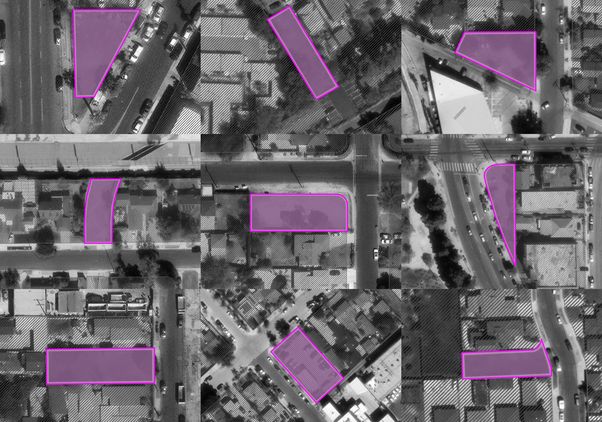
The Los Angeles Times reported on “Small Lots, Big Impacts,” an initiative spearheaded by UCLA’s cityLAB that is focused on transforming small, vacant, privately owned parcels of land in Los Angeles into thoughtfully designed “gentle density” housing — such as duplexes, fourplexes and townhome communities — to be sold at more reasonable prices than LA’s long-venerated single-family homes. UCLA’s Dana Cuff, director of cityLAB, and Emmanuel Proussaloglou were quoted. Read more about UCLA in the New York Times, Washington Post and BBC.

UCLA researchers win NIH grant to improve cancer immunotherapy — and more UCLA media

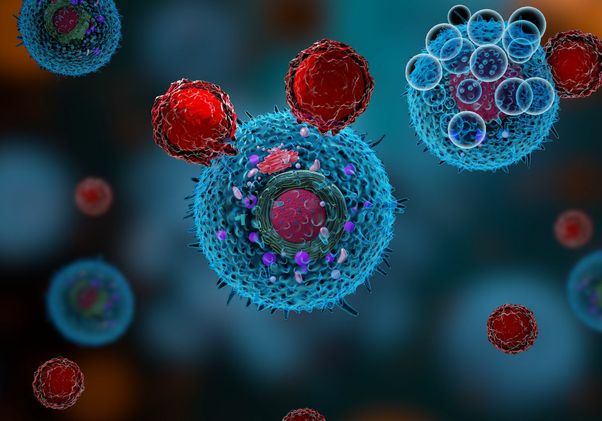
ScienceMag reported on a new five-year, $3.9 million National Cancer Institute grant awarded to UCLA’s Cristina Puig-Saus and her research team to develop new strategies to improve cancer immunotherapy. The researchers, based at the UCLA Health Jonsson Comprehensive Cancer Center, have created a fast, large-scale drug-screening platform to identify compounds that help T cells better recognize and destroy cancer cells. The work initially focuses on melanoma, but the approach could be expanded to other cancers. Read more about UCLA in today’s Washington Post, Los Angeles Times and others.

Will Tesla’s China ties keep a SpaceX merger grounded? — and more UCLA media

In an Economic Times article about how Tesla’s ties to China could scuttle a Tesla–SpaceX merger, UCLA’s Christopher Tang, a professor at the Anderson School of Management who specializes in global supply chains, explained that a potential solution — a separate Tesla licensing deal with China — could carry its own regulatory risks. Ongoing technology transfers, such ⁠as software upgrades for self-driving, to a Chinese entity could run afoul of U.S. rules, he said. Read more about UCLA in the Los Angeles Times.

Will homelessness shape Los Angeles’ next mayoral election? — and more UCLA media

LAist reported on how rising street homelessness could influence Los Angeles’ 2026 mayoral race, as candidates debate the effectiveness of current strategies and the impact of recent funding cuts. Zev Yaroslavsky, director of the Los Angeles Initiative at the UCLA Luskin School of Public Affairs, said Mayor Karen Bass deserves credit for making homelessness a top priority but acknowledged she overpromised on how quickly people could be moved into housing. Yaroslavsky also cautioned that campaign pledges to dramatically reduce homelessness underestimate the complexity of the crisis. Read more about UCLA from Los Angeles Business Journal, CalMatters and others.

Why are more K-12 students receiving IEPs? — and more UCLA media

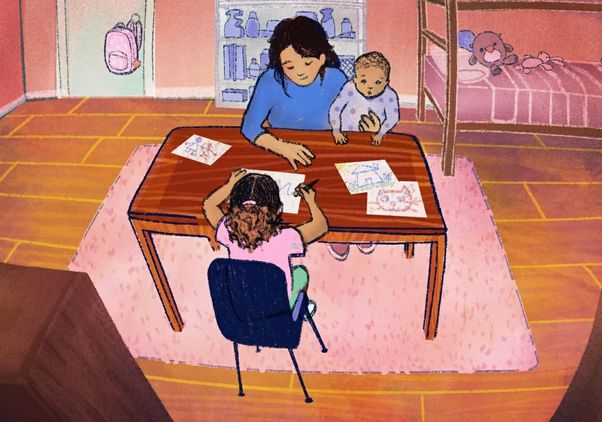
Los Angeles Magazine reported on the growing number of K–12 students receiving individualized education programs, or IEPs, in LA and nationwide, and the mounting strain on schools to provide special education services. UCLA human development and psychiatry professor Connie Kasari said the increase reflects better identification of those students who need support, greater parent advocacy and the lasting effects of COVID, while noting that many Latino families remain underserved because they are less likely to know about the resources or advocate for them. Read more about UCLA in today’s CNN International, Futurism and others.

The World Cup was an LA public transit success. The Olympics will be a bigger test — and more UCLA media

The Los Angeles Times reported on what city and Metro officials took away from the uptick in public transit use during the city’s FIFA World Cup games this summer, and what the data could indicate for the 2028 Olympics. Experts say the eight LA-based World Cup events differ from the Olympics’ hundreds of back-to-back events that will occur over several weeks, and that plans to adjust transit for this scope are far from complete. “It’s something that can be done very quickly. But the track record of the city of Los Angeles makes me strongly question their ability to do things quickly,” said Juan Matute, deputy director of UCLA’s Institute of Transportation Studies. Read more about UCLA in today’s CBS Los Angeles, NBC’s “Today” and others.

SoCal has had ‘so many heat waves,’ but this next one is a doozy: What to know — and more UCLA media

The Los Angeles Times reported on a heatwave touching down in the region on Friday, one of a series of weather events that have subjected Angelenos to a uniquely muggy summer with record-high temperatures. “There’s a slight reprieve between [heatwaves], but not really,” said V. Kelly Turner, who leads the heat research group at the UCLA Luskin Center for Innovation. David Eisenman, professor of medicine and codirector of the UCLA Center for Healthy Climate Solutions, adds that climate change is making nights hotter, depriving people’s bodies of an important recovery time before daytime heat. Read more about UCLA in today’s CBS Morning News, USA Today and others.

UCLA students help bring South LA music festival to life through Live Nation, the SoLa foundation — and more UCLA media

The Los Angeles Times reported on UCLA students Audrey Ohwobete and Gladis Verenice Ramírez Veliz, who helped plan and produce South Los Angeles’ annual Beehive Block Party through the SoLa Live Accelerator, a partnership between the SoLa Foundation and Live Nation. The six-month program aims to diversify the live entertainment industry by securing coveted internships and mentorship for local Black and brown youth. The fifth annual Beehive Block Party took place on Saturday, July 25. Read more about UCLA in today’s Associated Press, United Press International and others.

Could your child’s cellphone be hurting their reading? — and more UCLA media

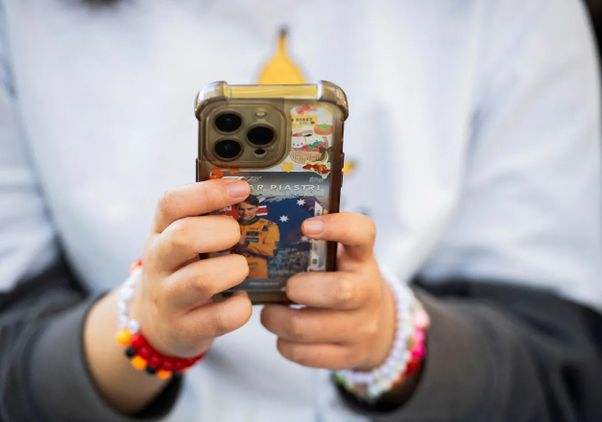
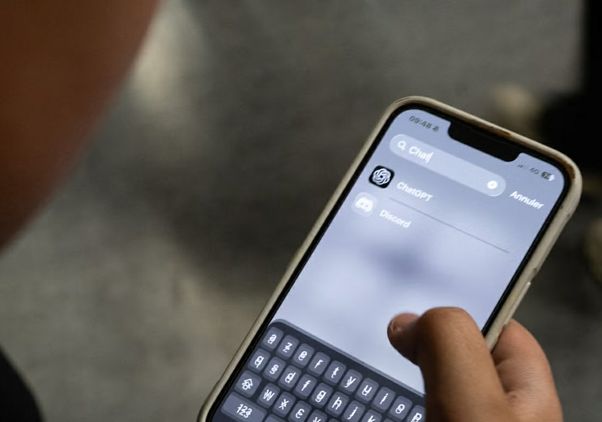
The Independent reported on a new UCLA study showing a statistically significant link between lower reading comprehension scores for children who own cellphones compared to those who don’t. The study, which followed third and sixth grade students, found the correlation to be true even if they never bring the devices to school. "We found that there's no age at which you can give a child a phone that's better or worse for reading comprehension, so it's just having a phone at all," lead author Patricia Greenfield, a UCLA psychology professor, said. Read more about UCLA in today’s New York Times, SFGate and others.
Load More Items Loading...