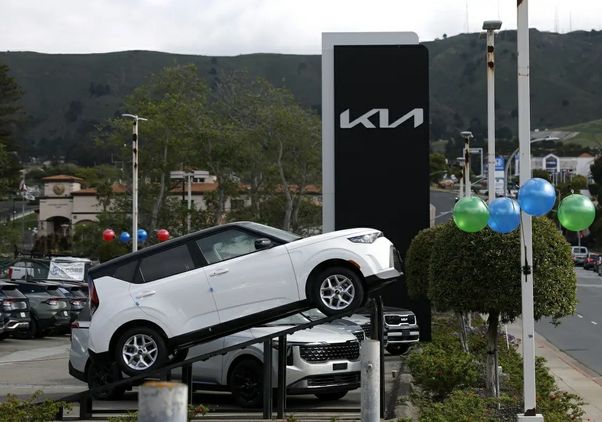
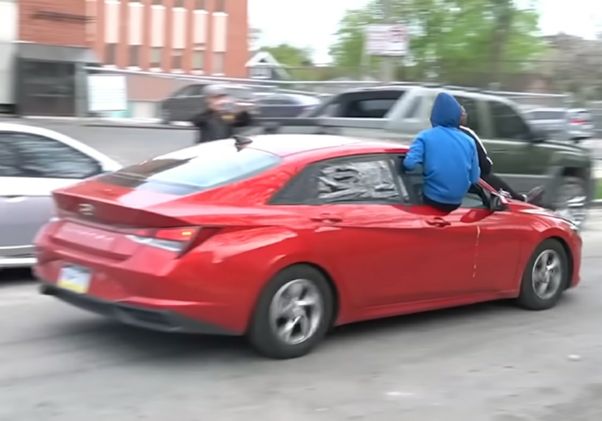
The Los Angeles Times cited a new UCLA study showing that thefts of certain Kia and Hyundai models lacking engine immobilizers could plague Los Angeles through 2042, according to lead author Jeffrey Brantingham. The study comes as a federal appeals court has ordered the reopening of a case in which U.S. insurance companies are seeking reimbursement from the automakers for more than $1 billion in theft-related claims. Read more about UCLA from New York Times, LAist and others.
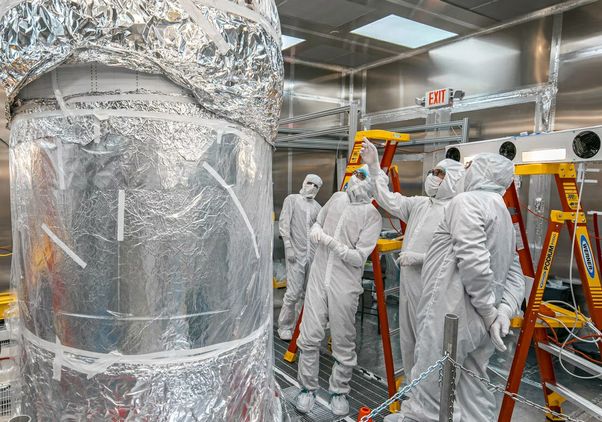
CNN reported on an intriguing signal detected by the LUX-ZEPLIN experiment that could offer a clue in the decades-long search for dark matter. UCLA physicist Alvine Kamaha, who helped build the detector, cautioned that one event is not enough to claim a discovery but said a confirmed detection would open “an entirely new area of particle physics.” Read more about UCLA in today’s Washington Post, The Conversation and others.
LAist reported on the new K-Town Archive, a partnership with UCLA that preserves oral histories, photographs and other materials documenting life in and around Koreatown. UCLA professor David Shorter helped develop the archive as the first community-specific sister site of UCLA’s Archive of Healing, allowing Koreatown stories to become part of the larger collection. Read more about UCLA in today’s Associated Press, NBC News and others.
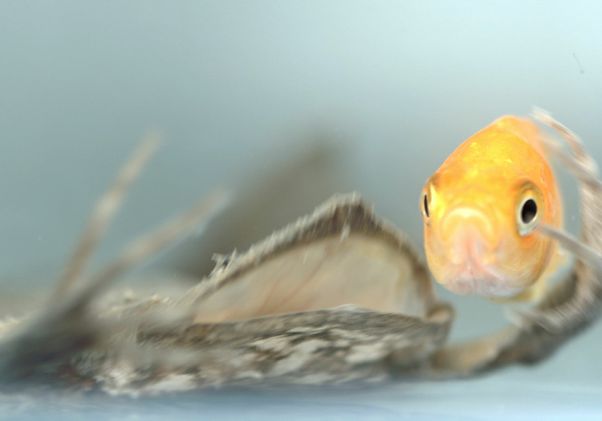
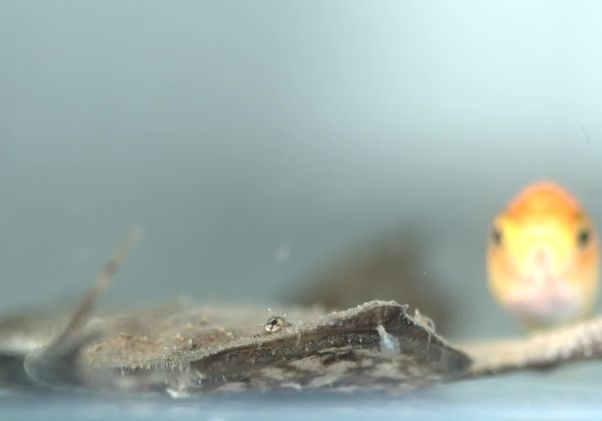
KTLA-TV reported that UCLA biologists have solved a centuries-old mystery surrounding the hunting habits of Surinam toads, which live in the murky water of the Amazon basin. The frogs’ vision is poor, but the UCLA team discovered that strange lobes on their fingertips are as sensitive to touch as those of humans and can detect nearby prey by sensing water movement. The frogs then snap open their jaws to create suction and swallow their prey whole. Read more about UCLA in today’s Discover Magazine, Popular Mechanics and others.
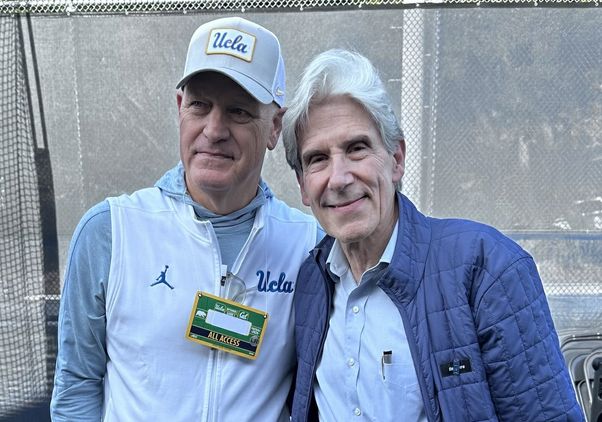
From transforming artificial intelligence to pursing dialogue across divides, the UCLA pioneer has spent a lifetime turning uncertainty into understanding.
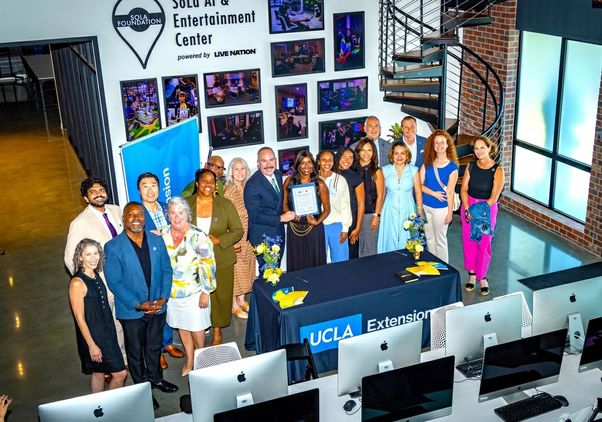
The Los Angeles Sentinel reported on a new partnership between UCLA Extension and the SoLa Foundation offering tuition-free courses to South Los Angeles residents. Held at the foundation’s Crenshaw campus, courses in fields including AI, entrepreneurship and project management aim to provide residents with marketable skills and new pathways to career advancement. Read more about UCLA in today’s Bloomberg Law, USA Today and others.
UCLA’s refreshed values — integrity, excellence and belonging — emerged from two years of conversation, collaboration and candid feedback across campus.
A CNN story on OpenAI’s announcement that one of its AI models had solved one of seven famously difficult and unsolved questions in the field of math quoted UCLA mathematics professor Terence Tao, who expressed concern about using such models to solve complex math problems. “The indiscriminate use of AI is turning the subject into a meaningless production quota ‘game’ that ultimately is of very little benefit, either to mathematics or to the world,” he said. Read more about UCLA in today’s New York Times Magazine, Inside Higher Ed and other outlets.
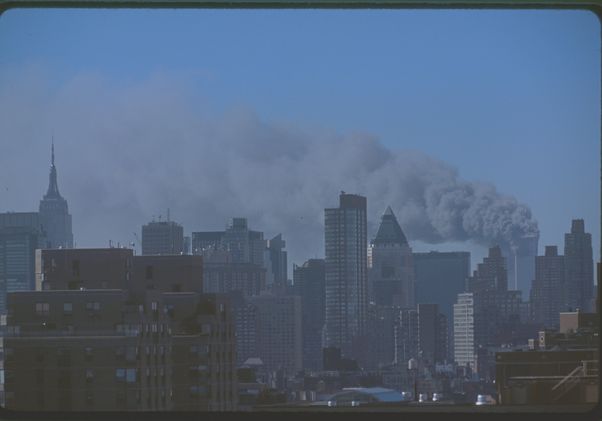
UCLA experts are available to discuss the 25-year legacy of 9/11, including its effects on U.S. immigration, foreign policy and international law and how a new generation encounters the history through social media.
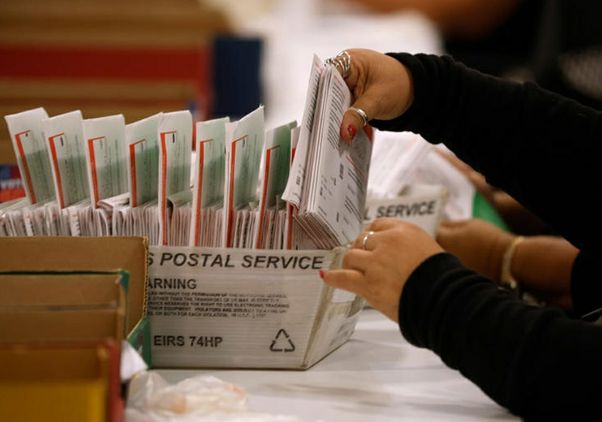
Newsweek interviewed Rick Hasen, director of the Safeguarding Democracy Project at UCLA School of Law, in an article on the Trump administration’s request that the Supreme Court allow new Postal Service restrictions on mail-in ballots to take effect ahead of the November midterm elections. Hasen has argued that the president does not have the authority to reshape mail-in voting by executive order. (Hasen was also featured by NPR’s “Morning Edition” and The Washington Post.) Read more about UCLA in today’s New York Times, KQED-FM and other outlets.
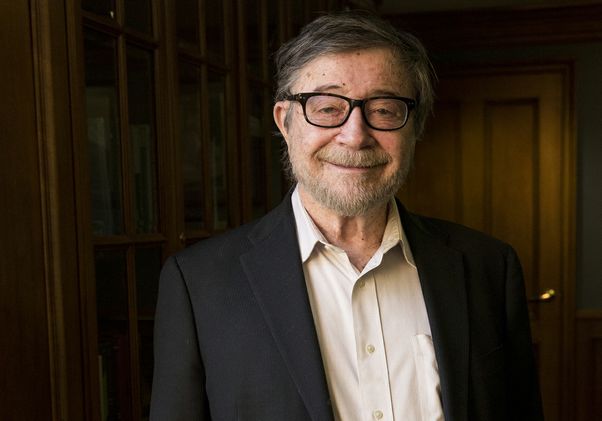
UCLA professor Luwei Ying marks the milestone with a frank discussion about how the attacks reshaped the world and why resisting fear and division remains one of its most important lessons.
Faculty Bulletin Board is a biweekly snapshot of the many ways Bruin scholars and researchers are advancing knowledge, shaping their fields and powering progress on campus and around the world.