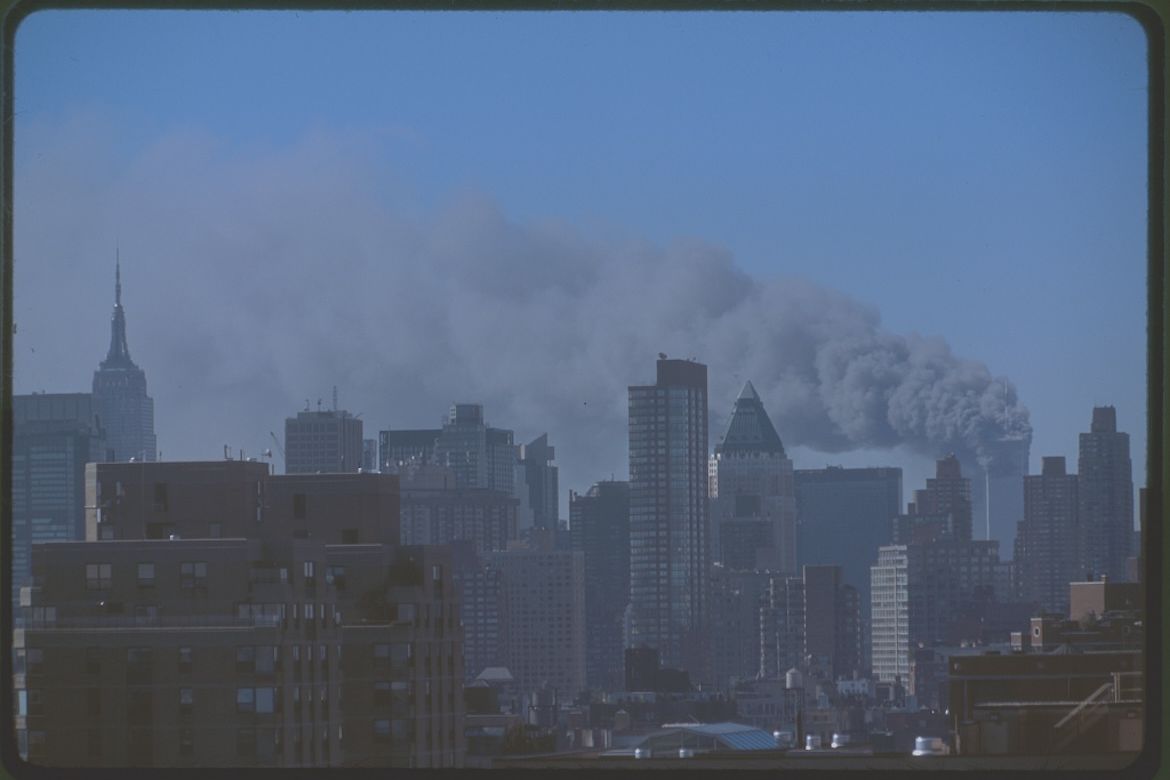
A quarter-century has passed since the Sept. 11, 2001, terrorist attacks, long enough that the current generation of college students knows them only as history. Yet the past 25 years have hardly diminished their imprint — on those who were there, on the families who lost loved ones, on the first responders who still bear the physical tolls, and on those who have grown up in a world transformed by the events and their aftermath.
The stories below look at how Bruins have grappled with 9/11 across the years. From the solemn ceremony in Dickson Plaza just days after the attacks up until today, UCLA scholars and students have studied the still-evolving consequences, physicians and nurses have treated the sick, and members of our community have shared their personal memories and created enduring memorials to the tragic events of that September morning.
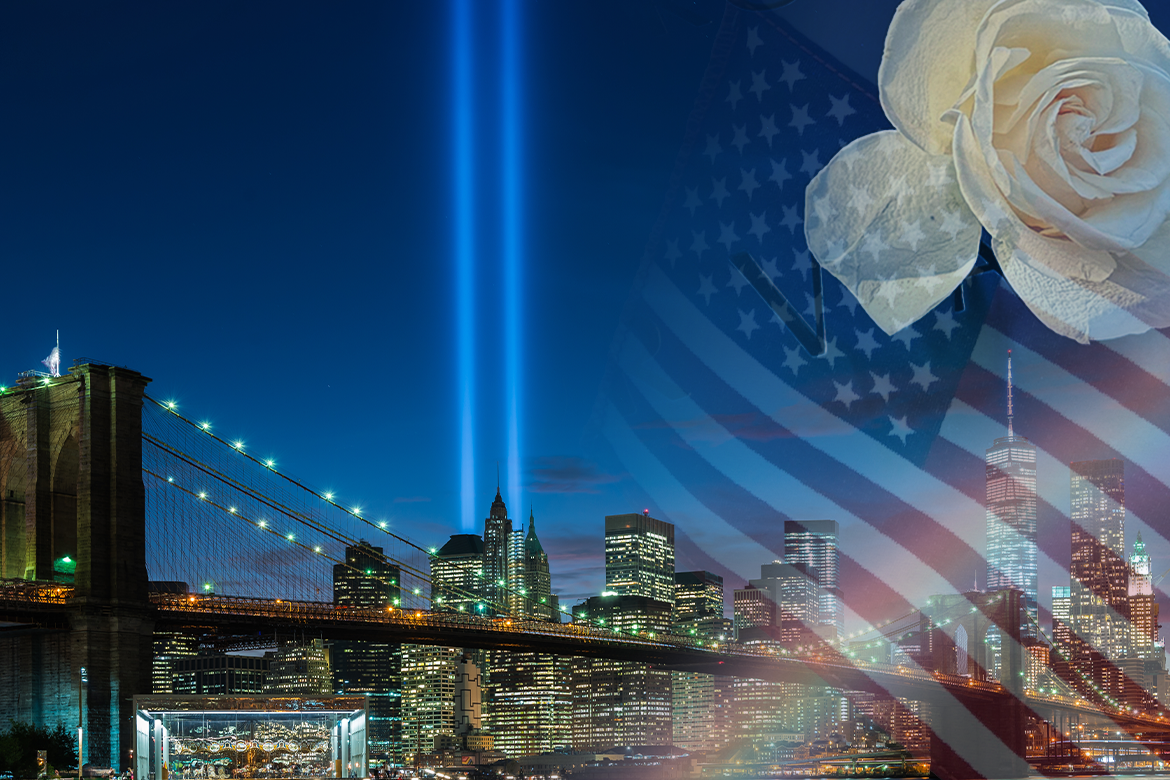
‘Never forget’: 25 years after 9/11 (2026)
UCLA political scientist Luwei Ying reflects on how to commemorate Sept. 11 as firsthand memory gives way to history, and on what a quarter-century of research has taught us about terrorism and security, domestic and foreign policy, and the need to resist fear and polarization. Read the interview.
► Also: UCLA experts can discuss the 25-year legacy of 9/11, including its effects on U.S. immigration, foreign policy and international law and how a new generation encounters the history through social media.

The health toll that didn’t end on Sept. 11 (2021)
Long after the rubble of New York’s Twin Towers was cleared, UCLA Health doctors and researchers have continued to examine the lasting health consequences of the attack and to treat firefighters, police officers and others who worked at Ground Zero. Read more about how UCLA physicians are addressing the lingering effects of 9/11.
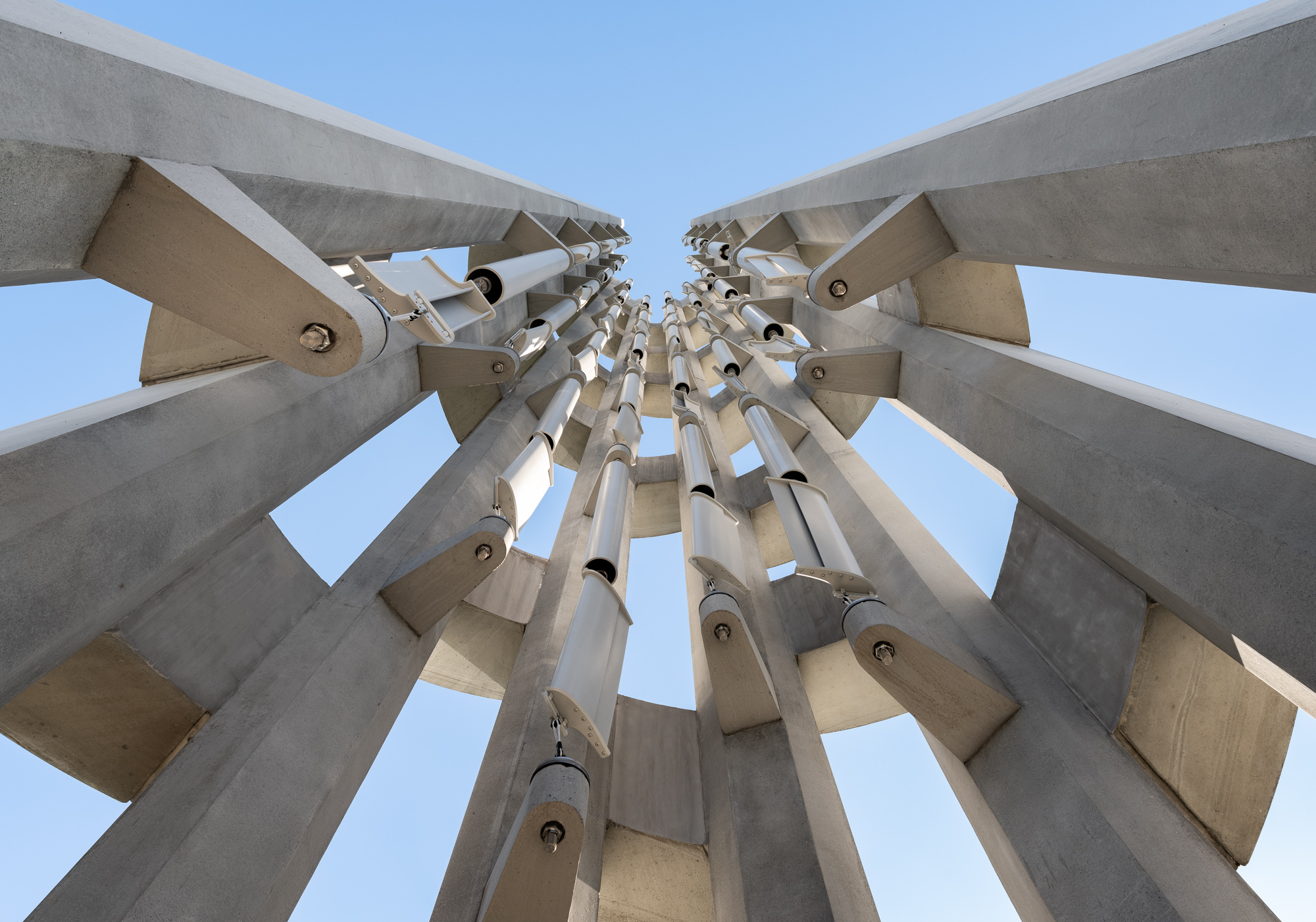
‘Tower of Voices’: A memorial designed to be heard (2021)
For UCLA alumnus and architect Paul Murdoch, commemorating the 40 passengers and crew members killed on United Flight 93 in Pennsylvania became a 15-year undertaking, culminating in “Tower of Voices.” The 93-foot structure, whose massive wind chimes produce a mixture of harmony and dissonance, gives lasting voice to the memory of those who died. Read more about Murdoch's memorial at the Flight 93 crash site.
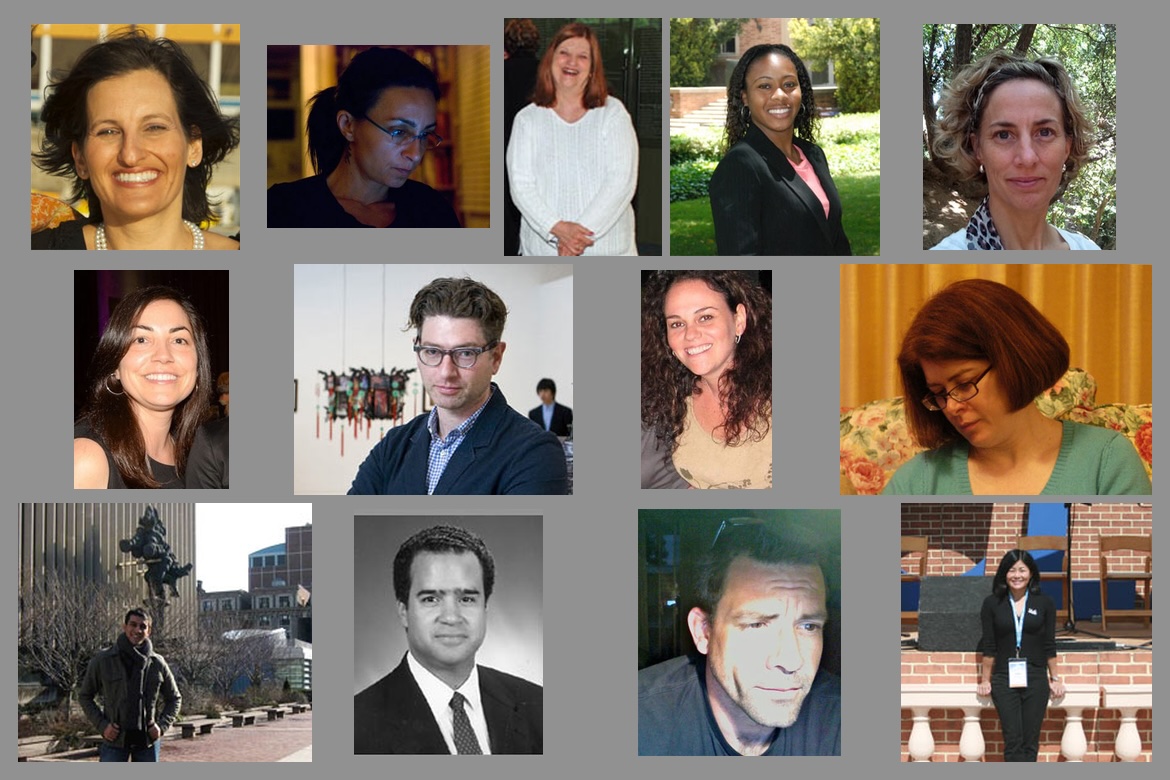
‘Where I was on Sept. 11’: Bruins share their memories (2011)
On the 10th anniversary, Bruins shared their accounts of the tragedy, stretching from New York — where some witnessed the attacks, fled nearby buildings or volunteered near Ground Zero — to New Jersey, California and even Italy, where others watched the events unfold from afar. Their reflections captured the fear and disbelief of that day, as well as the acts of kindness, solidarity and community that emerged amid the devastation. Hear about their experiences.
► Also: Searching for answers in the classroom (2011). Faculty, administrators and students look back at how UCLA created new courses and seminars to wrestle with urgent questions about terrorism, war, religion and national security.
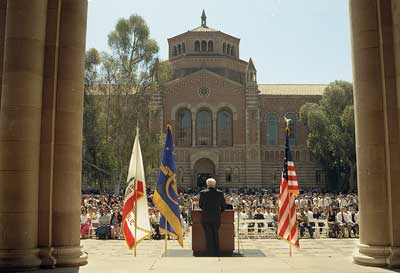
A campus grieves (2001)
In the days after the attacks, UCLA struggled to absorb the shock. More than 5,000 people gathered in Dickson Plaza for a memorial service, hundreds lined up to give blood, counselors offered support to students and employees, and faculty began creating seminars to help students understand what had happened. The loss was also personal: Half a dozen members of the UCLA family were among those killed. Read about UCLA's response in the days and weeks following the tragedy.