For many of us, the holiday season revolves around family, friends and, of course, food.
This year, there’s one topic that’s bound to accompany the familiar chats surrounding the season’s indulgences: GLP-1 medications. These increasingly popular treatments are reshaping the weight loss landscape and raising new concerns about maintaining healthy relationships with diet.
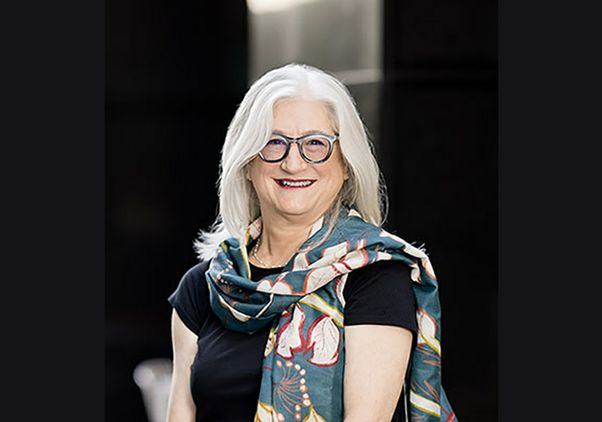
To learn more about GLP-1s and how to navigate thoughtful conversations about them during the holidays, we spoke with A. Janet Tomiyama, UCLA’s new Marcie H. Rothman Presidential Professor of Food Studies and faculty director of the UCLA Rothman Family Institute for Food Studies.
“We can’t solve our most pressing food-related challenges through nutritional science or technological innovation alone,” said Tomiyama, director of the Diet, Stigma and Health (DiSH) research lab and co-author of a recent study on GLP-1 use and stigma. “We also need to understand human psychology, culture and behavior.”
What’s something you’ve learned about the people behind the data?
That the adage “sticks and stones can break my bones, but words will never hurt me” is wrong. The fat-shaming and weight stigma that participants in my studies report hurt not just their feelings, but their physical health, too.
How are GLP-1 medications changing the conversation around dieting and weight loss?
People with obesity often face stigma because others see weight as something they should be able to control. But when they use GLP-1 medications, they can face a different kind of stigma for “taking the easy way out.” Our research found that people who stop taking GLP-1s and regain weight may be judged even more harshly than those who never tried to lose weight in the first place. It’s a “damned if you do, damned if you don’t” situation that reflects a broader and unnecessary bias against people based on body size.
I do think we are understanding more and more that willpower was never the answer for health or weight loss. Dieting, eating less and exercising more only work for a really small segment of people, and I think that’s what GLP-1s are making evident. Body weight is actually very hard to control. Weight is about as heritable as height, meaning genes control our weight about the same extent as height.
While BMI remains a widely used measure of health, you’ve argued that it can be a misleading one. Are there better ways to understand a person’s overall health?
There are so many people with a body mass index (BMI) technically in the obesity range who nonetheless look absolutely pristine on their health markers. We’ve done an analysis of that in a nationally representative sample. It also overlooks the many millions of people with a lower body mass index who are very unhealthy. Those people sort of skate by without being stigmatized, but we also might be missing important tests and diagnoses in thinner people because we are so entrenched in this idea that body weight equals health. I think BMI’s widespread use is partially to blame for that.
There are so many better markers out there than a number on a scale. You could look directly at someone’s blood sugar in the form of HbA1c. You could look directly at somebody’s blood pressure, which strongly predicts future cardiovascular disease. You could look at how a person’s immune system is functioning. Is there a lot of inflammation going on? Those measures are so much closer to true health than this fairly arbitrary number of how much you weigh.
As the new Marcie Rothman Presidential Chair in Food Studies and faculty director of the Rothman Food Institute, what’s your vision for the next chapter of this important work?
I’m really excited about using food as a way to create connections. There are so many opportunities on campus to bring people together under the umbrella of food studies to talk about how food can bring joy, foster connection, deepen our understanding of the world, and improve health and happiness.
As an incredible hub of food studies research, UCLA truly walks the interdisciplinary walk, engaging in meaningful collaboration and connection across campus. I think this is going to become a flagship of UCLA and something that is poised to do a lot of good in the world.
How would you recommend people think and talk about GLP-1 usage with loved ones they’ll see during the holidays?
It’s important not to think about GLP-1s as something to change someone’s appearance or even weight. These medications have really powerful, direct health benefits on things like Type 2 diabetes, cardiovascular risk reduction and other metabolic conditions. People taking GLP-1s are taking control of their health in a medically sound, empirically supported way. They should not feel guilt or shame and should focus on what GLP-1 usage enables them to do, such as being a more active grandparent or showing up to their job — and life overall — with more energy.
People frequently set — and fail to reach — ambitious weight loss goals for the new year. What’s your advice?
Don’t make weight loss your goal: Make an achievable health goal instead. Perhaps your goal could be to run for 30 minutes without stopping or to eat the recommended five servings of fruits and vegetables a day.
Research shows that weight loss through dieting is so often unsuccessful that focusing on weight can set you up for failure. There are other approaches that are much more achievable and directly relevant to your health. Let’s just keep weight out of those New Year’s resolutions altogether.
What holiday dish holds special meaning for you?
My favorite Thanksgiving dish is green bean casserole. Growing up as the daughter of Japanese immigrants, I really craved and idolized American food. Looking back now, my mom was making beautiful Japanese food, but that’s not what I wanted. I wanted to embrace the food of the country I was growing up in, and to me, green bean casserole epitomized that.
I still make it at Thanksgiving. No one else particularly enjoys it, but I just love it. It’s the taste of my family’s new country — a country we’ve now become a part of.