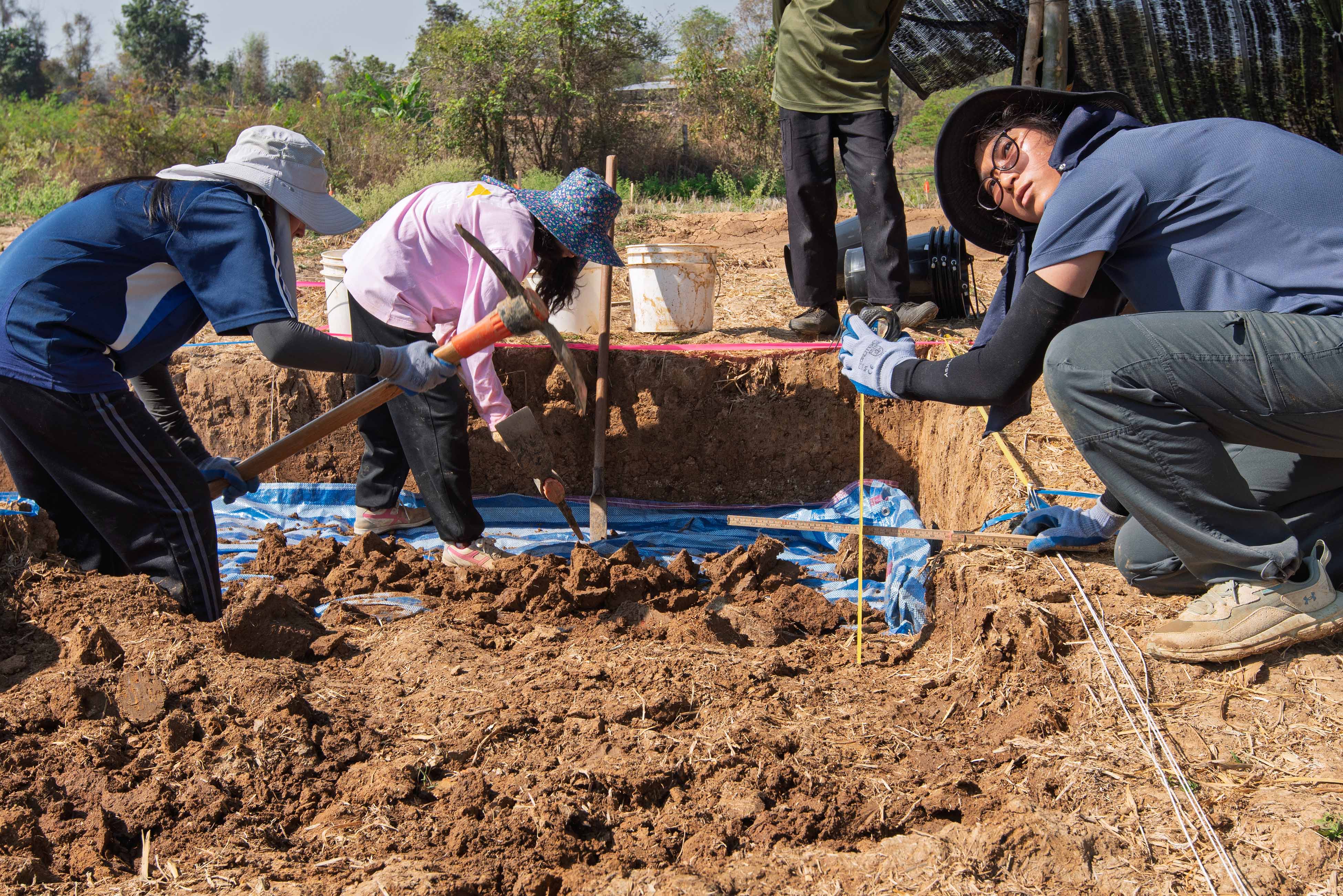
Since World War II, the fate of U.S. Army Air Forces 1st Lt. Franklin H. McKinney remained unresolved.
On Nov. 5, 1944, McKinney departed Yunnanyi, China, on a reconnaissance mission over Thailand and Burma, yet he never returned. Despite searches along his flight path, investigators found no evidence of his aircraft.
It wasn’t until 2018 that researchers located a crash site in Thailand’s Lampang province. In concert with the Defense POW/MIA Accounting Agency (DPAA), members of UCLA’s Southeast Asian Archaeology (SEAA) Lab conducted an archaeological mission that led to the recovery of McKinney’s remains after more than 80 years of uncertainty — and the opportunity to finally bring him home.
McKinney’s case illustrates the significance of an ongoing partnership established between UCLA and DPAA, a federal agency charged with searching, recovering and identifying American service members missing from past conflicts.
Through the partnership, UCLA, the nation's top public university for military veterans, is bringing its archaeological expertise to help fulfill DPPA’s promise to ensure no service member is ever forgotten and to provide long-awaited answers to military families. At the same time, the collaboration offers students and early-career scholars an opportunity to apply their training to a humanitarian mission while building lasting relationships with international colleagues and local communities.
These missions require painstaking excavation, surveying, mapping and documentation. But what distinguishes UCLA’s approach is its commitment to community-engaged archaeology — the SEAA Lab’s signature methodology that positions local partnerships, shared expertise and cultural sensitivity at the center of the work.
Archaeology rooted in community and service
Globally, DPAA estimates that there are over 80,000 missing U.S. veterans; investigations undertaken by the agency can take years and begin with extensive historical research. By the time UCLA is called to assemble an excavation unit, DPAA has identified a recovery site, gathered information about the missing service member and conducted preliminary investigations.
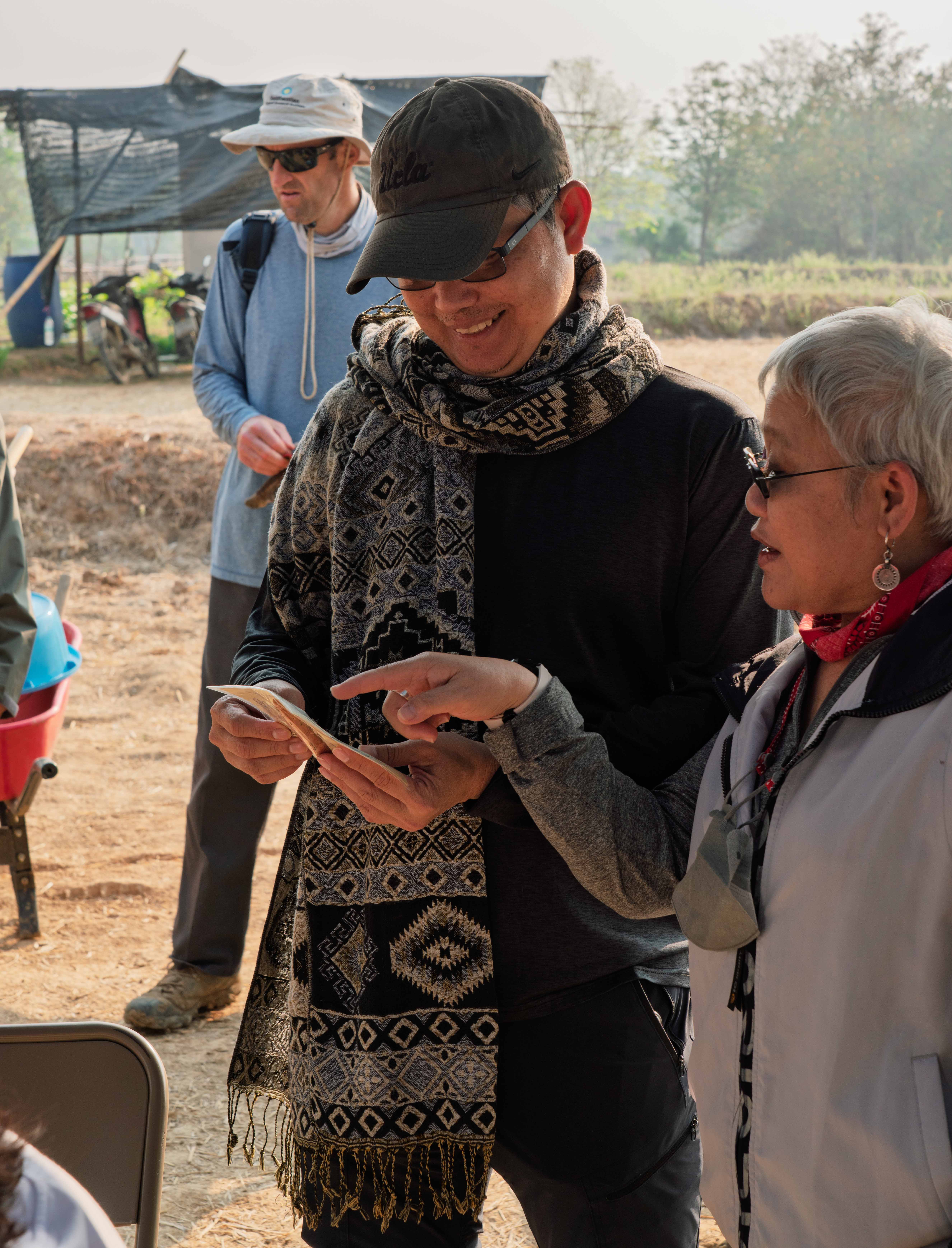
The DPAA partnership at UCLA is anchored by Stephen Acabado, a professor of anthropology and the SEAA Lab’s director. A leading advocate for community-engaged archaeology, Acabado trains students through a framework that challenges the notion that archaeologists are neutral stewards of the past. Instead, he promotes a model of collaborative scholarship grounded in accountability, reciprocity and respect for living communities whose histories are at stake.
“We want to move away from helicopter archaeology, where researchers arrive, collect data and leave without contributing to the communities that make the research possible,” Acabado said. “Instead, we involve local archaeologists throughout the process so that the benefits of these collaborations extend beyond the recovery missions themselves.”
Acabado has applied this approach to years of archaeological research, teaching, field schools and regional programs across the globe, solidifying partnerships along the way. He now draws on that network to connect DPAA with faculty, students and early-career scholars already living and conducting research in the region where recovery missions are taking place.
At the start of each mission, UCLA’s team engages community leaders, organizations, universities and museums to ensure local entities are active participants in the work. In Thailand, for example, the team partnered with Thammasat University, Silpakorn University, the Royal Thai Government, officials in Lampang, local personnel and the U.S. Embassy in Bangkok. UCLA also has an ongoing partnership with the University of Hawai‘i at Mānoa to develop Cultural Resource Management capacity in Southeast Asia by bringing together archaeologists from across the region to collaborate on field projects and strengthen regional networks through training and professional development.
"UCLA doesn't just send archaeologists. They bring a regional network that's ready to collaborate, and that turns an abstract objective into a recovery effort built for the ground it's on and the place it's in," said Jesse Stephen, DPAA deputy director of partnerships and innovation.
"Every site we excavate sits in someone else's backyard. When local universities, officials and students are literally in the trenches with us, recovery efforts are faster, better and less vulnerable to disruption. Community-engaged archaeology isn't a courtesy; it's the best way to bring our missing home."
The partnerships give teams access to local knowledge, language, students and relationships with communities and government agencies that not only provide logistical support such as lodging and transportation, but also synergistic learning opportunities.
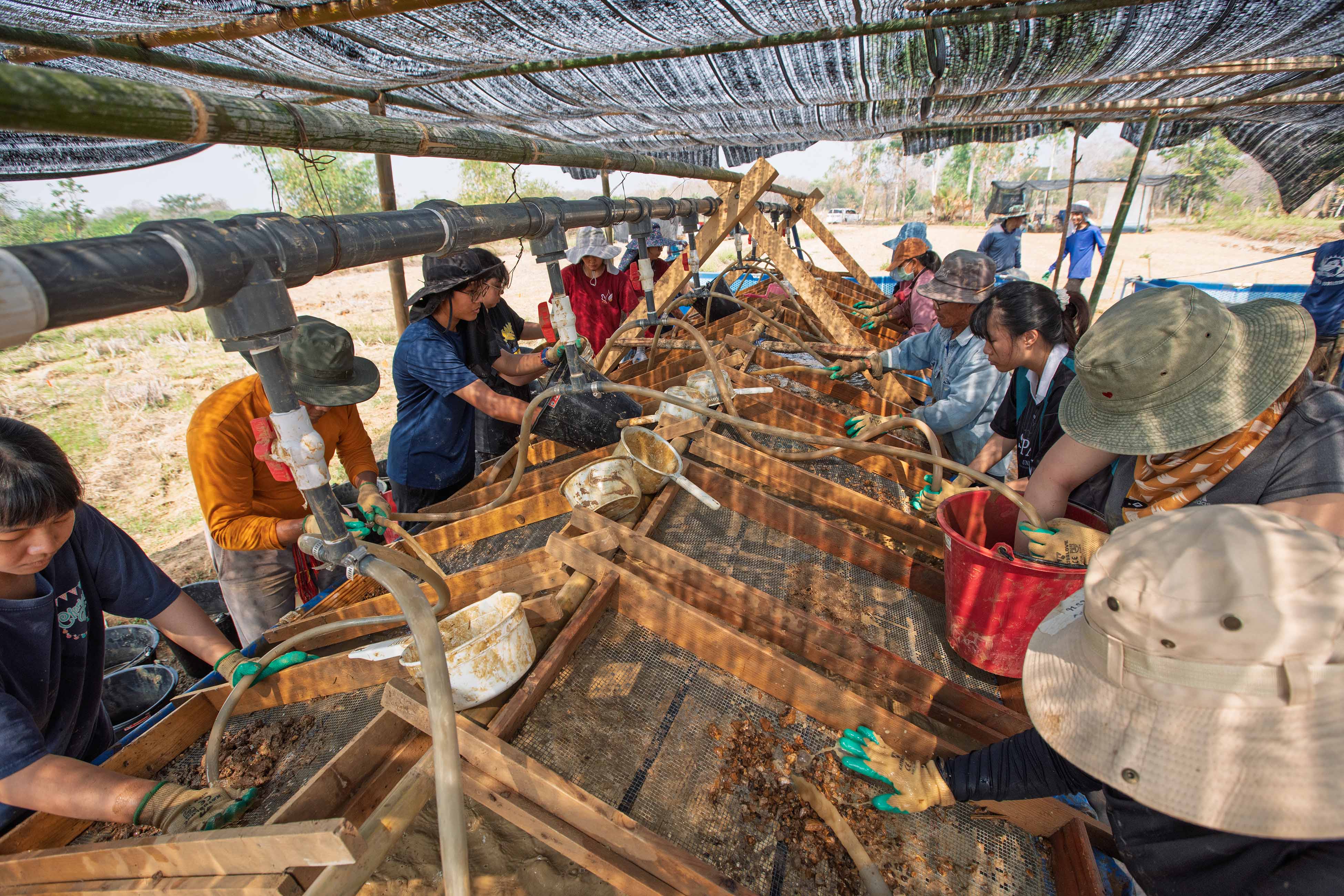
“Intellectually, we can share methods, and we’re also introduced to new methods of other countries because archaeology is not a one-size-fits-all discipline,” Acabado said. “Every country, every region has their own methodological practice. So, in a sense, we expand both our intellectual foundation as well as expanding our network.”
Madeleine “Maddie” Yakal, a former UCLA postdoctoral fellow who served as lead archaeologist on the lab’s most recent effort in Thailand, also thinks this work represents an opportunity to challenge the perception that archaeology is primarily concerned with the distant past. Instead, she says, the recovery missions serve an immediate, service-oriented purpose.
“Being able to provide closure to the people who are seeking that kind of closure — that’s an aspect of community service that I think is important for us as archaeologists to tap into and to provide to other people,” Yakal said.
Training the next generation of archaeologists
The partnership also provides an uncommon learning experience for UCLA students who work alongside experienced archaeologists across Southeast Asia.
Mac Elizalde, a second-year graduate student in UCLA’s Archaeology Interdepartmental Program, formed part of the recovery crew in Thailand. During the mission, he worked alongside trench leaders from Indonesia and the Philippines, which allowed him to develop new approaches and perspectives on every aspect of archaeological fieldwork.
“There’s so much knowledge that you gain from other people’s experiences, down to the way you hold your shovel or pickaxe,” Elizalde said.
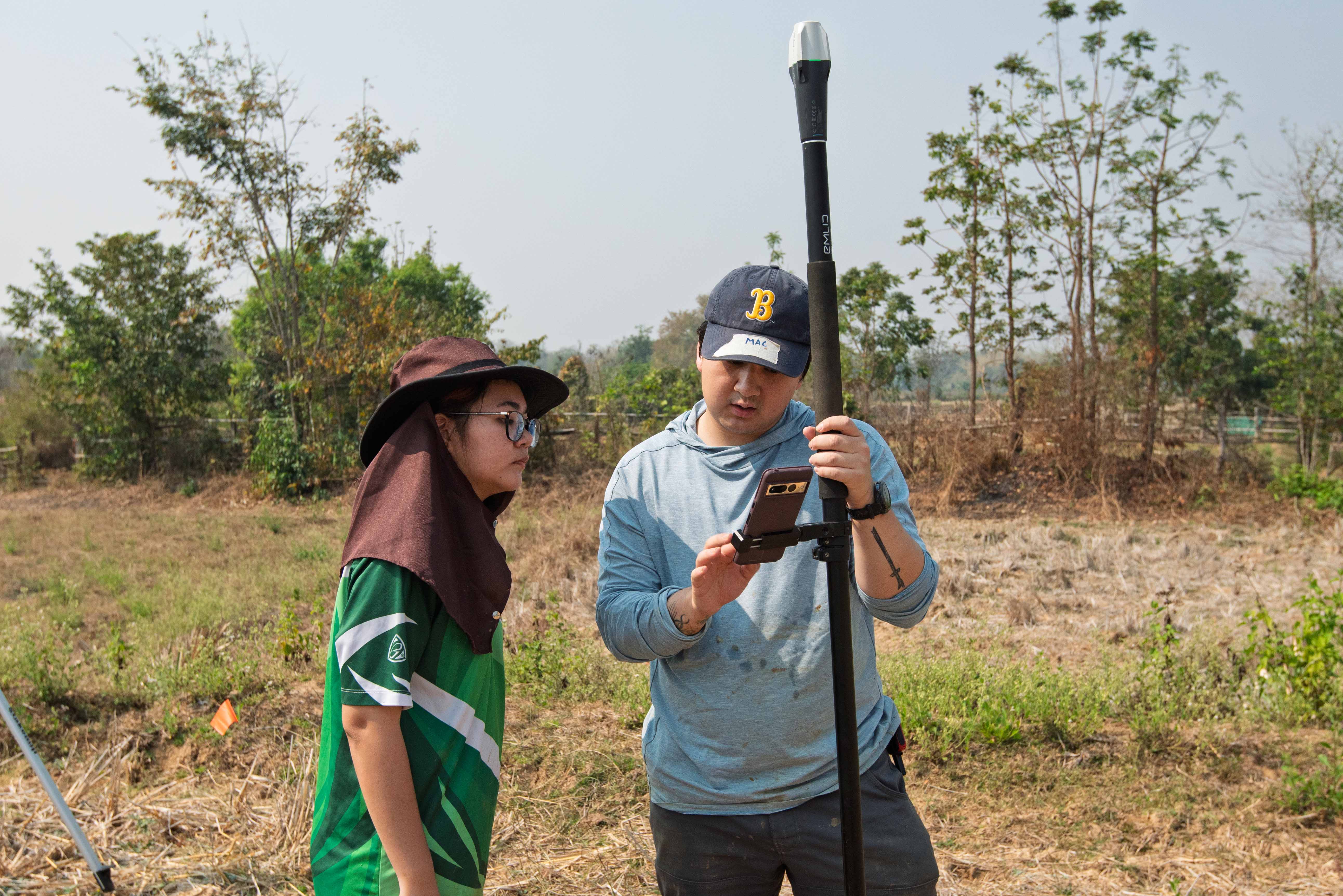
Traditional field schools are often prohibitively expensive for students, Acabado explains. Through the DPAA partnership, however, students and early-career archaeology professionals gain several weeks of practical experience while working alongside professionals of different backgrounds.
The partnership also gives students a transformative, meaningful opportunity to contribute to recovery efforts with profound historical and personal significance, which resonated with Elizalde.
“These are soldiers who fought during foreign wars the U.S. has been involved with. As a Filipino American, I feel very much for that,” he said. “I had family members who served in some capacities during World War II.”
Work that honors humanity, past and present
As UCLA researchers begin to map out additional missions with DPAA in other parts of the world, the partnership continues to demonstrate how archaeology can connect academic scholarship with public service.
“These missions allow us to serve beyond the university,” Acabado said. “We are contributing to the broader promise that those who never came home will not be forgotten.”
For Yakal, the missions have also affirmed the many ways in which archaeological training can contribute back to communities beyond the academy and the true weight of what moving this work forward means.
“According to the DPAA website, there are 80,000 unaccounted-for veterans, which can feel discouraging that the number is still so huge,” she said. “But the DPAA has really shown us that any progress we make is important. If we can help find one person out of 80,000 — that matters. They matter: then and now.”