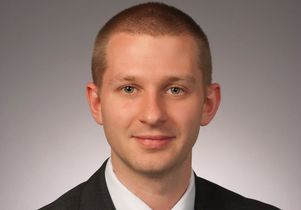
Becoming a leader of the 35,000 UCLA staffers was a natural step for Walen Ngo, the son of Vietnamese refugees, who has felt a lifelong dedication to helping others.
UCLA researchers’ study using zebrafish shows how the disease turns a repair mechanism into one that damages nerve cells. The findings could lead to treatments to prevent nerve damage in leprosy and other diseases.
Divided attention does impair memory, but a UCLA study found that people can still selectively focus on what is most important — even while they’re distracted.
UCLA researchers’ analysis of posts in a forum on the website Stormfront shows coping mechanisms that range from rejection to reinterpretation to acceptance.
Economist Jerry Nickelsburg advocates long-term planning that accounts for transportation and housing policy, as well as for creating incentives for more mass transit use.
UCLA history professor Joan Waugh, one of the nation's preeminent scholars on the Civil War, shares how the historic era and the Confederacy touched the state.
The program’s budget for 2016 was $2.3 million, but a UCLA report estimated that it saved the county about $5.87 million in law enforcement costs last year.
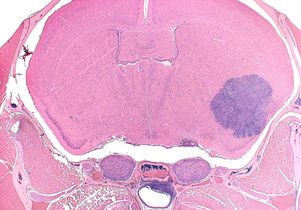
Findings from the research, led by UCLA’s Dr. Marco Giovannini, will be used to refine and develop new therapies and treatments, which could benefit young children and adults with these syndromes.
A national network of researchers gathered at UCLA to dissect findings on race, ethnicity and politics all derived from the same innovative and singular data set.
The research may lead to new drugs that could promote hair growth for people with baldness or alopecia, which is hair loss linked to such factors such as hormonal imbalance, stress, aging or chemotherapy.