UCLA in the News

Coverage of UCLA in the world's news media, aggregated daily

Results

What will a rebuilt Altadena look like? Residents push a state bill that would limit density — and more UCLA media

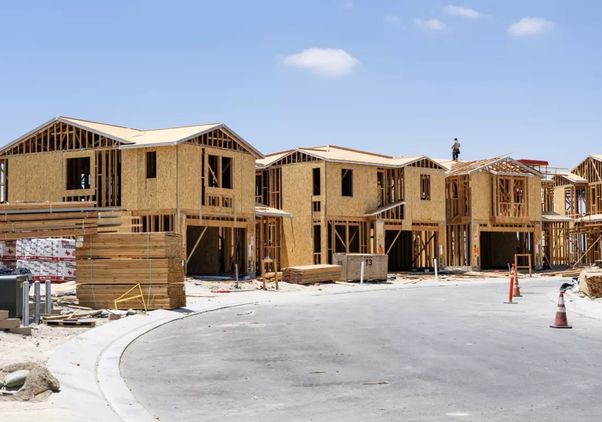
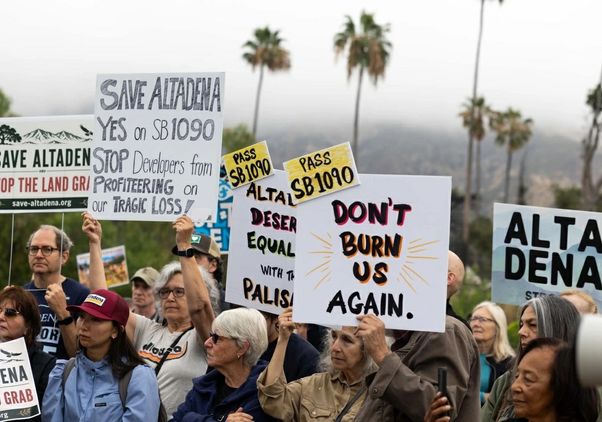
LAist reported on pushback from some Altadena residents against out-of-town developers seeking to build dense, more affordable housing in the town's burned areas, which had previously been single-family neighborhoods. Recovering and rebuilding after a traumatic event like a large-scale fire can cause friction within communities, says Megan Mullin, a public policy professor at UCLA. “There can be a tension between what individuals and households need for their own recovery and the vision that a community has for what it wants to be in the future.” Read more about UCLA in today’s CBS Mornings, NPR’s “1A” and others.

UCLA study finds immigration raids took lasting toll on LA small businesses — and other UCLA media

The Los Angeles Times reported on a UCLA Latino Policy and Politics Institute study finding that immigration enforcement activity in Los Angeles County caused steep revenue losses for Latino-owned small businesses, with many continuing to struggle nearly a year later. Researchers estimated that businesses near nine enforcement sites lost more than $3 million in revenue in the two weeks following the 2025 raids, with entrepreneurs also reporting persistent financial stress and mental health impacts. Read more about UCLA in today’s Politico, Smithsonian Magazine, and others.

What scientists have learned since discovering what’s at the center of the Milky Way galaxy — and more UCLA media

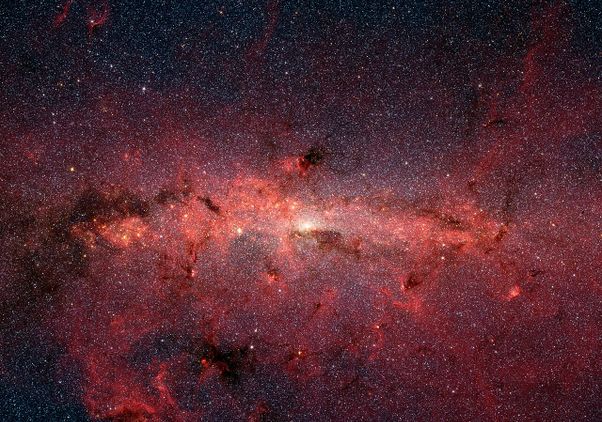
Science Friday interviewed UCLA’s Andrea Ghez about the game-changing discovery that led her to receive a Nobel Prize for her observations of a supermassive compact object at the center of the Milky Way galaxy. Ghez, who was a 2020 Nobel Prize winner in physics, had developed techniques that allowed her to peer through galactic dust clouds with the Keck telescopes and observe the movements of stars orbiting the galactic center. Measuring their velocity and orbits provided information about the galactic core. Read more about UCLA in today’s The Hill, Bloomberg and others.

Air quality officials put pressure on Boyle Heights warehouse cleanup as odor complaints rack up — and more UCLA media

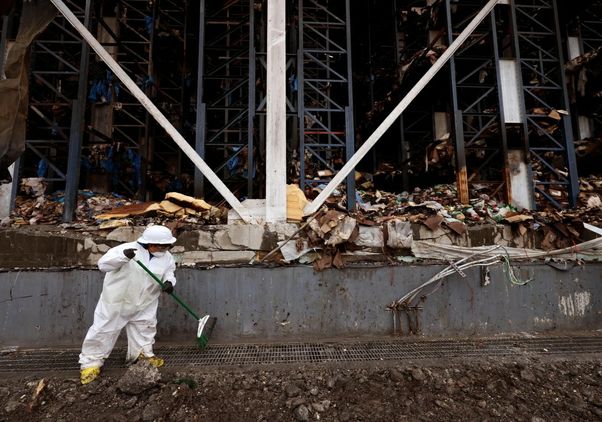
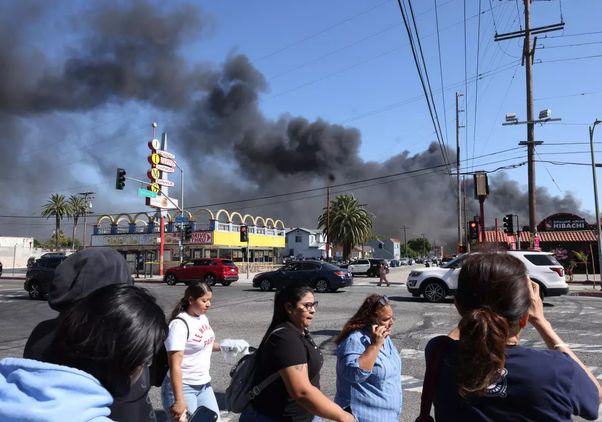
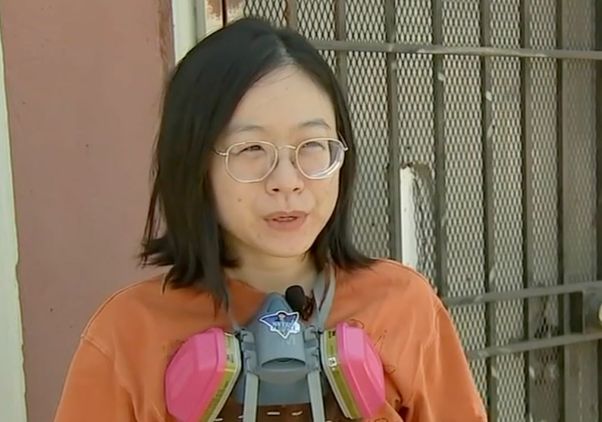
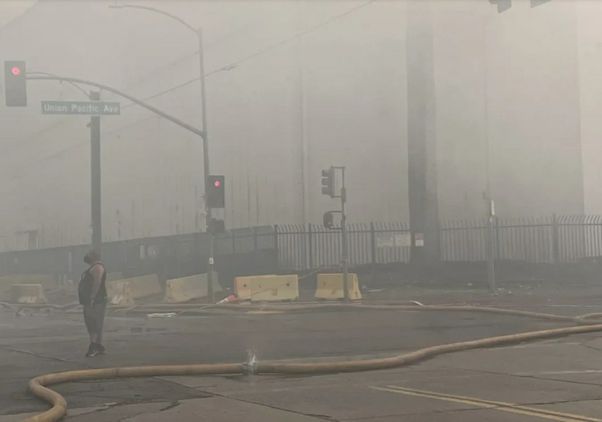
LAist reported that city air quality officials have ramped up demands of Lineage LLC as it oversees the cleanup of its Boyle Heights warehouse after residents filed more than 900 complaints of “rotten, sour, garbage-type smells” in the last week. According to Yoshira Ornelas Van Horne, an exposure scientist and assistant professor with the UCLA Fielding School of Public Health’s Department of Environmental Health Sciences, the waste is being hauled away by trucks that can hold 20 tons at once. Ornelas Van Horne said beyond the smells of the material they’re holding, these trucks may pose health concerns of their own, similar to those near warehouses across LA County and the Inland Empire. Read more about UCLA in today’s Discover, Wired and others.

Federal appeals court rules that New Jersey’s assault weapons ban is unconstitutional — and more UCLA media

The Associated Press reported that a federal appeals court ruled New Jersey’s ban on assault weapons and high-capacity magazines is unconstitutional, the first federal appeals court to invalidate such a state law. UCLA law professor Adam Winkler said the decision was surprising because federal appeals courts have previously upheld assault weapons bans, and suggested it could signal how the Supreme Court may approach the issue. He added that the ruling shows that “very few gun laws” are currently safe from constitutional challenges. Read more about UCLA in today’s New York Times, CNN and others.

Dangerous wildfire smoke continues to blanket parts of the U.S. — and more UCLA media

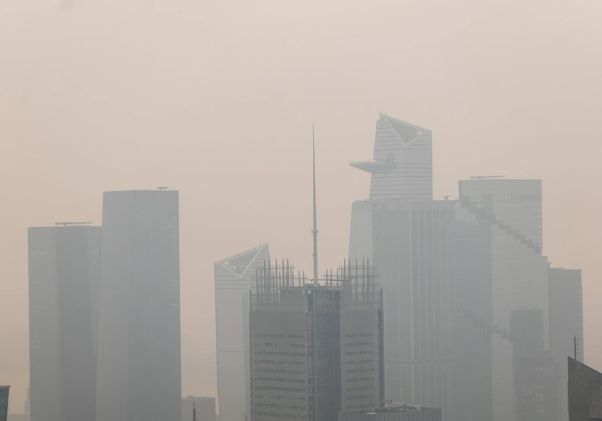
National Public Radio reported on heavy smoke over parts of the Northeast this week, as over 900 wildfires burn in Canada following a week of high temperatures and dry conditions. Data has shown that the pollution from wildfires has many health effects, according to Dr. David Eisenman, a professor of medicine at the David Geffen School of Medicine at UCLA. Eisenman, who is also the co-director of the Center for Healthy Climate Solutions at UCLA, points to studies showing an increase in heart attacks, heart failure, stroke and respiratory illness. “Even if the sky is not brown, it still might be toxic for you.” Read more about UCLA in today’s CNN, Los Angeles Times and others.

Sundance Institute sets talent development pact with UCLA School of Theater, Film and Television — and more UCLA Media

Variety reported that the UCLA School of Theater, Film and Television and the Sundance Institute have set a collaboration to develop the next generation of filmmakers and storytellers. The five-year agreement is targeted to begin in September. The pact combines UCLA’s academic resources with Sundance Institute’s experience and Sundance Collab’s international community of more than 130,000 artists across 177 countries. (UCLA’s Celine Parreñas Shimizu was quoted. Also: KABC-TV, KNBC-TV and LAist.) Read more about UCLA in today’s KNBC-TV and The Advocate.

As LA River morphs into impromptu musical stage, gentrification fears remain — and more UCLA media

Jon Christensen, director of the Laboratory for Environmental Narrative Strategies at UCLA, told the Los Angeles Times that river revitalization can be part of a “green gentrification cycle” as new development pushes out old communities. Like the chicken-and-egg paradox, it’s hard to tell which comes first: the amenities surrounding the L.A. River or the more affluent people seeking them. Read and see more about UCLA in today’s Salon, the BBC and others.

Boyle Heights residents face health concerns over rotting meat — and more UCLA media

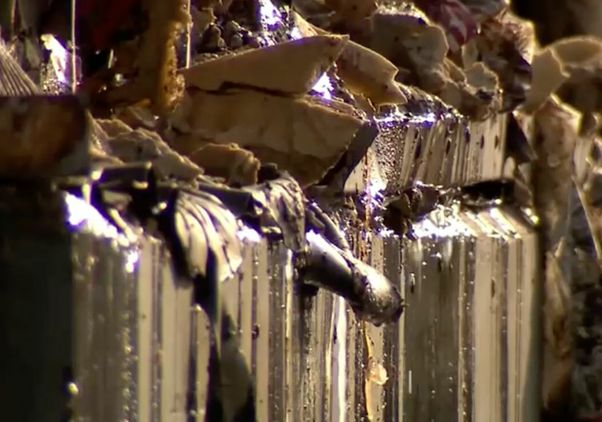
CBS Los Angeles reported on the community response to the air conditions following the Boyle Heights warehouse fire, with people sharing concerns that the rotting meat is posing health risks. “When that meat decomposes, it creates toxins that definitely can be a hazard,” said UCLA professor of health policy and management and faculty research director Arturo Vagas Bustamante. Read more about UCLA in the Los Angeles Times, Laist and others.

Several immigration detention facilities haven’t been inspected in a year — and more UCLA media

CBS News reported on growing concerns about conditions in immigration detention facilities, discovering in an analysis that 15 of the 45 facilities with populations of at least 500 were not inspected in the last year. “A lot of facilities have deficiencies, and it takes frequent reassessments to ensure that those deficiencies are being addressed,” said Annette Dekker, an assistant professor at UCLA's medical school who has studied health outcomes among immigration detainees and co-authored a 2024 paper calling for inspection reforms. Read more about UCLA in CNN, the Associated Press, ScienceDaily and more.

As LA struggles, these surprising communities are booming. What are they doing right? — and more UCLA media

Analysis from the Los Angeles Times found pockets of population growth in some surprising locations. Zev Yaroslavsky, a former L.A. city councilmember and county supervisor and the current director of the Los Angeles Initiative at the UCLA Luskin School of Public Affairs, said that overall, some of these areas had more room to grow than most urban areas in Los Angeles County. Learn more about UCLA in today’s BBC, The Conversation and others. 

After Boyle Heights warehouse fire, residents take environmental testing into their own hands — and more UCLA media

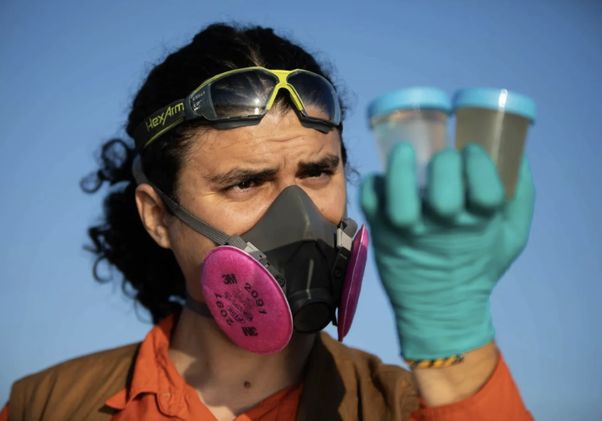
An estimated 31,700 workers, about 81% of whom are Latino, live in the county and city zones where a smoke advisory was issued, according to new data from the UCLA Latino Policy & Politics Institute. Yoshira “Yoshi” Ornelas Van Horne, an exposure scientist and assistant professor with the UCLA Fielding School’s Department of Environmental Health Sciences, told The LA Local that the Lineage fire is exposing how little is done to “respond to public health emergencies and disasters” in communities like Boyle Heights and East Los Angeles, areas “that have so often been referred to as environmental injustice communities.” Residents and community organizations like East Yard, Ornelas Van Horne said, are “relying on their networks and their organizing power to be able to do that on the ground sampling.” Read more about UCLA in the Los Angeles Times, ScienceDaily and others.

Boyle Heights blaze choked parts of LA with astronomical soot pollution — and more UCLA media

The Los Angeles Times reported on lingering questions about air quality after the Boyle Heights warehouse fire, which produced hazardous levels of fine-particle pollution and exposed gaps in monitoring for potentially toxic chemicals. Michael Jerrett, professor in UCLA Fielding’s department of environmental health sciences and holder of the Jonathan Fielding Chair in Climate Change and Public Health, said researchers know little about the health effects of the complex mix of pollutants released by such fires and called for stronger air monitoring systems to better protect nearby communities. Read more about UCLA in today’s New York Times, BBC News and others.

Gas giants use AI to raise prices, lawsuit says, another algorithmic hit to the cost of living — and more UCLA media

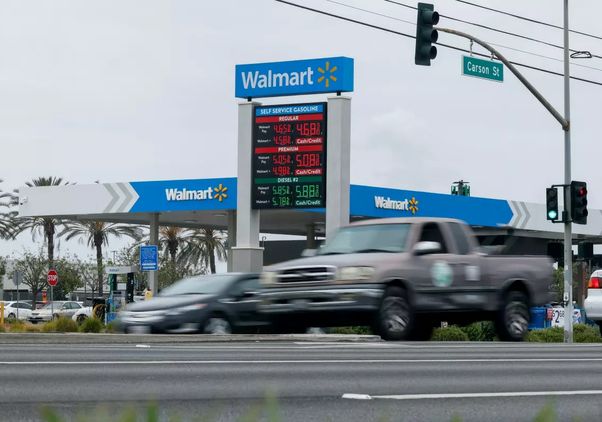
The Los Angeles Times reported on a new federal lawsuit filed by several California drivers accusing major gas chains of using AI software to collude and keep pump prices artificially high. The case tests California’s updated antitrust law, which now treats algorithm-driven common pricing as potential price-fixing, even if the companies are not directly in communication. “I wouldn’t be surprised if [this kind of individualized pricing] exists in all different kinds” of industries, said Robert Zeithammer, a professor at the UCLA Anderson School of Management. “If you’re a car dealer, you could be doing it.” Read more about UCLA in today’s PBS NewsHour, USA Today and others.

What a ‘mansion tax’ did to Los Angeles — and more UCLA media

A Washington Post opinion piece written by UCLA’s Michael Manville explores where Los Angeles’ Measure ULA, nicknamed the “mansion tax,” went wrong. Manville, a professor and chair of urban planning at the UCLA Luskin School of Public Affairs, argues that any potential revenue from the measure is overly reliant on a small group of people who avoid the tax by choosing not to sell. The fallout of this changed behavior amongst the ultra-rich in the region has competed with efforts to build, “cannibalized” funds by depressing the local property tax revenue that supports schools and other services, and failed to address the real source of the housing crisis: scarcity. Read more about UCLA in today’s Associated Press, CNN, and others.

Supreme Court ruling could have broad impact on immigrants with temporary protected status — and more UCLA media

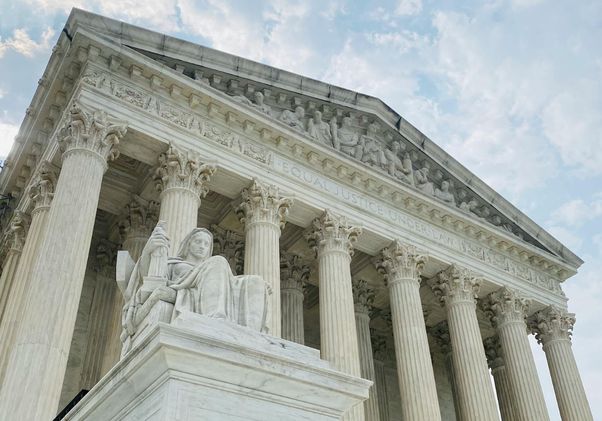
The Associated Press reported on the potential nationwide implications of the Supreme Court’s decision allowing the Trump administration to end Temporary Protected Status for Haitian and Syrian immigrants. UCLA law professor Ahilan Arulanantham, co-director of the Miñana Family Center for Immigration Law and Policy and an attorney representing Syrian TPS holders, said the ruling is “definitely bad news” for ongoing legal challenges and warned that thousands could soon lose their authorization to work in the U.S. The decision could also shape pending cases involving TPS protections for immigrants from numerous other countries. Read more about UCLA in today’s New York Times, CalMatters and others.

Did the tremors in California and Japan trigger a pair of earthquakes in Venezuela? — and more UCLA media

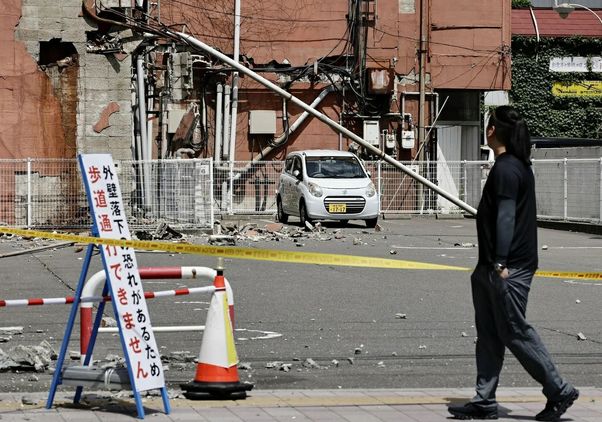
The New York Times reported on what experts are saying about a series of earthquakes that struck three seismically active regions — Japan, Northern California and Venezuela — within 24 hours. Neither earthquake in Japan nor California was close enough to transfer stress to the tectonic plates under Venezuela, said Martin Hudson, an expert in geotechnical engineering at UCLA. But the strength of the first Venezuelan quake could have triggered the second in the region. “The shaking of the first earthquake increases the stress on a nearby fault,” he said. “If the other one was close to going off anyway, it wouldn’t take much to set it off.” Read more about UCLA in today’s The Conversation, KCRW’s “Press Play” and others.

As World Cup fans pour into LAX, long-awaited people mover train struggles with delays — and more UCLA media

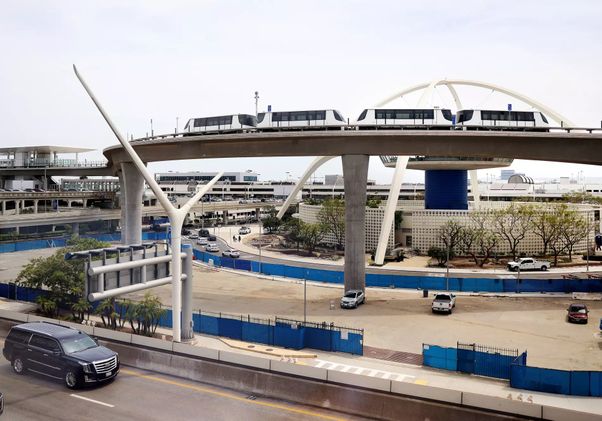
The Los Angeles Times reported on the status of SkyLink, the LAX-based automated people mover slated to open in 2023. Three years later, the system shows no signs of launching as thousands of FIFA World Cup spectators arrive in LA. Jacob Wasserman, UCLA Institute of Transportation research program manager, cautioned that SkyLink wouldn’t be a fix-all solution to the snarl of congestion that surrounds LAX. Rather, it “offers an alternative,” he said. “You can choose to avoid the traffic.” Read more about UCLA in today’s CalMatters, Associated Press and others.

Here’s what we do and don’t know about what’s in the smoke from the Boyle Heights fire — and more UCLA media

LAist reported on what experts know so far about the contents in the smoke released by a refrigerated warehouse fire that has burned in Boyle Heights for nearly a week. Yifang Zhu, a professor of environmental health sciences at the UCLA Fielding School of Public Health, says air quality indexes may capture the concentration of particulate matter in the air, but not necessarily the specific toxins in them. Zhu, who is studying the impacts of the 2025 LA wildfires, says she suspects at least some types of health-harming heavy metals are likely to be present. (Zhu was also quoted by the Los Angeles Daily News.) Read more about UCLA in today’s New York Times, Newsweek and others.

Here’s why experts are warning California about ‘The Big One’ — and more UCLA media

USA Today reported on new data showing the San Andreas Fault is under more stress than it has been in 1,000 years — and what that could mean for Southern California and earthquake preparedness. Jonathan Stewart, a professor at the UCLA Samueli School of Engineering and an expert in earthquake engineering, discusses seismic patterns in the region over the last few centuries and why the historic record indicates that a fault rupture in the Southland is overdue. “That doesn’t mean it’s going to happen immediately; it just means there is more stress built up,” he said. Read more about UCLA in today’s New York Times, Associated Press and others.

Parents increasingly track adult children with apps, raising questions about privacy and trust — and more UCLA media

Parents increasingly track adult children with apps, raising questions about privacy and trust “It's not just about tracking and monitoring whether or not to do it. I think it touches on how to figure out how to balance safety and trust," said Dr. Jena Lee, a psychiatrist at UCLA, in a KABC-TV story. Lee said that while technology continues to evolve, the fundamentals of parenting remain unchanged. Read and hear more about UCLA in today’s Variety, ABC News and others.
Load More Items Loading...