The UCLA Blum Center's Second Annual Spring Conference on May 6-7 will feature the latest research on health and poverty in Latin America and highlight solutions.
Researchers saw a jump in patients receiving a crucial clot-dissolving drug within the first 60 minutes after they arrive at a hospital emergency room.
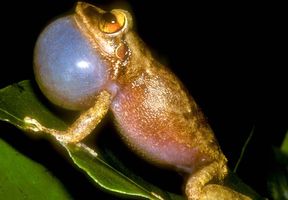
UCLA scientists found that not only have male coquis become smaller, but their mating call has also become shorter and higher pitched; the researchers attribute the change to Puerto Rico's warmer temperatures.
For women with advanced breast cancer who took the experimental drug palbociclib, the amount of time patients were on treatment without their cancer worsening was effectively doubled.
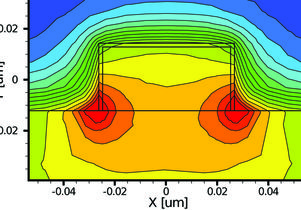
The UCLA researchers' findings counter years of conventional wisdom that a biosensor can be made more sensitive simply by reducing the diameter of the nanowires that make up the device.
Scientists at UCLA's Jonsson Comprehensive Cancer Center have published the first study explaining in detail how viruses reprogram the metabolism of the cells they invade to promote continued viral growth within an organism.
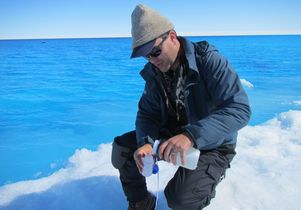
The frustrated attempts of a UCLA graduate student to quantify the amount of water draining from Greenland's melting ice sheet led him to devise a new way to measure river flows using satellite images.
UCLA engineering professor Yoram Cohen's Gray2Blue system cleans up a home's gray water for reuse in irrigating the garden. It could save Californians billions of gallons of clean water every day.
Using an existing drug and a new drug developed at UCLA, the researchers eradicated cancer cells in mice with a deadly type of blood cancer, leaving healthy blood cells alone. The treatment might also have applications for other blood diseases.
When it comes to influential positions in the industry, minorities and women are represented at rates far below what would be expected given their percentage of the general population, according to a new UCLA study.
The Ralph J. Bunche Center for African American Studies at UCLA will hold a symposium, "Race and Hollywood," Thursday, Feb. 6. The symposium is part of the Bunche center’s ongoing project to create a comprehensive analysis of diversity —...
Two UCLA sociologists reveal the logic behind the tough gambles movie studios make — and the financial results of success or failure at the box office.
Young Latinas who have Latino teachers and counselors as role models and participate in extracurricular activities in high school have a much better chance of educational success.
Flexible smartphone screens, room-illuminating curtains and nanodiamonds that deliver chemotherapy directly into tumors are among the innovations resulting from the joint work of UCLA and private industry.
For Old World primates, the variety and complexity of their facial colors and patterns play a major role in helping them identify members of their own species and communicate with one another.
The UCLA Specialized Program of Research Excellence team is a multidisciplinary group of scientists striving to find a cure for a cancer that will affect roughly one in six men.
The new cells could serve as a power-generating layer on windows and smartphone displays without compromising users' ability to see through the surface.
Building a bridge from the laboratory to the marketplace, the Institute for Technology Advancement has launched technology firms and aggressively mined industry expertise to help shape research.
A new entrepreneur-in-residence program (EIR) launched at UCLA this month comes to the aid of campus inventors by bringing in experienced entrepreneurs to provide guidance and advice.
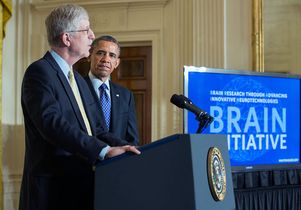
Members of the UCLA delegation are pioneering research related to the new initiative, which will fund projects seeking new ways to treat, cure and prevent brain disorders.
Both nurtritional substances appear to boost the ability of critical immune cells to gobble up amyloid-beta and other waste products in the brain and body, UCLA researchers say.