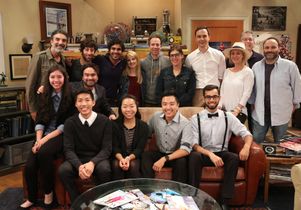
Five excited UCLA freshmen recently met the cast, producers, writers and crew of “The Big Bang Theory,” the people who are helping to fund their scholarships.
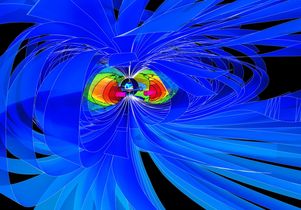
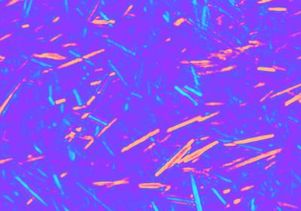
New findings by a UCLA-led team of researchers answer a question about our space environment and will help scientists protect telecommunication and navigation satellites.
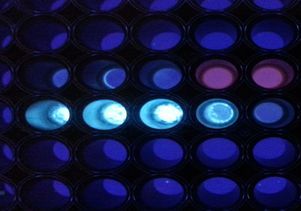
The laboratory-grown tissue can be used to study diseases including idiopathic pulmonary fibrosis, which has traditionally been difficult to study using conventional methods.
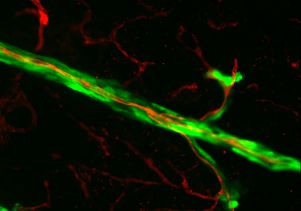
The findings are a major step toward confirming an unusual theory of how some cancer cells metastasize, and the study could lead to new strategies for keeping melanoma from spreading.
More than 300 technology leaders, innovators, policymakers, journalists and academics will gather Friday at UCLA’s Pauley Pavilion Club to share their ideas on closing the gender and diversity gap in the technology sector.
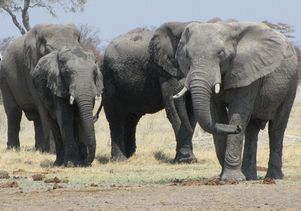
UCLA professor Blaire Van Valkenburgh said the animals in question “are all that is left of a once much more diverse megafauna that populated the planet only 12,000 years ago.”
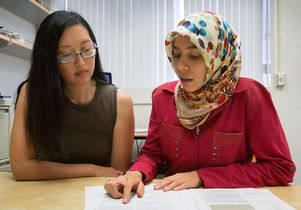
Twenty-eight outstanding undergraduates from across the country are spending eight weeks at UCLA, learning the latest data analysis techniques and skills that are transforming the biosciences.
A team of scientists including researchers from UCLA has developed an RNA sequencing technique that could advance scientists’ use of stem cells in regenerative medicine.
Scientists at the UCLA Eli and Edythe Broad Center of Regenerative Medicine and Stem Cell Research have discovered that a certain metabolic molecule helps pluripotent stem cells mature faster.
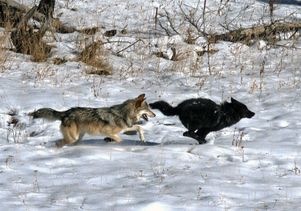
UCLA biologists have found genetic evidence that supports keeping the gray wolf protected by the U.S. Fish and Wildlife Service, which might rule this fall to remove it from the endangered list.
In addition to uncovering interesting insights about the auto industry, the UCLA study offers a new lens through which researchers could analyze cultural and technological change.