Clinical psychologist Lekeisha A. Sumner points out the special considerations those offering support should keep in mind for this different type of grief.
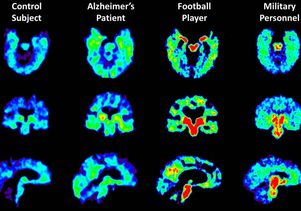
UCLA researchers studied FDDNP, a molecular tracer that binds with proteins called tau and amyloid, and which indicates the location and extent of abnormal proteins in the brain.
Joan and Jerome Snyder’s gift will establish an endowed faculty chair in the department of ophthalmology; the couple have supported a wide range of programs across the campus.
More than one-third of Americans are chronically sleep-deprived. UCLA researchers are at the leading edge of exploring the consequences and possible remedies.
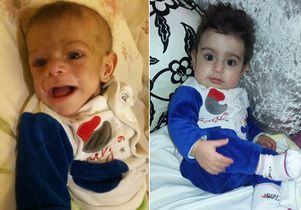
Hussein El Kerdi looked like a healthy baby boy, but his immune cells lacked an important enzyme. His family traveled from Lebanon to UCLA seeking a cure.
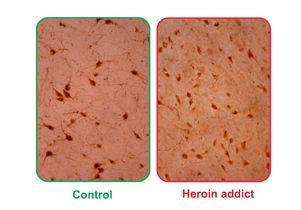
Two discoveries — one in the brains of people with heroin addiction and the other in the brains of sleepy mice — shed light on chemical messengers that regulate sleep and addiction, UCLA researchers say.
Rachelle Crosbie-Watson is researching new drugs that one day may halt the progression of the deadly childhood muscle-wasting disease, Duchenne muscular dystrophy.
The availability of such cells — with properties similar to those from humans and other animals — should help scientists accelerate research on therapies for cancer and autoimmune diseases.
Eight specialties placed in the top 50 nationally: nephrology, orthopaedics, neurology/neurosurgery, gastroenterology, cancer, urology, cardiology and neonatology.
Through a partnership, South African doctors shadow UCLA physicians in Los Angeles and then return to their home country to put into practice what they’ve learned.
The funds will support pediatrics faculty who are focused on enhancing quality of life for people with cerebral palsy, autism, and other developmental and behavioral challenges.
Hosea Nelson and Jose Rodriguez have been selected among 22 early career researchers for the awards which provides funding for work advancing human health.
The findings help explain the connection between HDL cholesterol and reduced cancer risk, and suggest that a similar compound may be an effective therapy in humans.