A new UCLA program offers hope and potential answers for people who have undergone extensive medical testing but still don’t know what is causing their symptoms.
The money will fund a new collaboration among primary care clinics, community-based organizations and educational institutions throughout Riverside County.
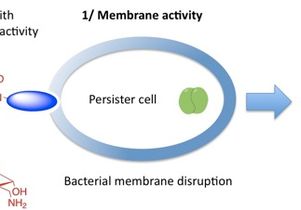
Exploring the brave new world of microbiota may one day lead to the development of better ways to manage infections, create new antibiotics and address obesity, heart disease and cancer.
The study, published in the journal JAMA Psychiatry, concluded that doctors should consider prescribing the long-lasting injectable much earlier in the course of treatment than they typically do today.
“The results were about as good as you could hope for,” said Lara Ray, a UCLA associate professor of psychology and director of the UCLA Addictions Laboratory.
The results “have the potential to substantively change the way that lung cancer is treated,” said Dr. Edward Garon, a member of UCLA’s Jonsson Comprehensive Cancer Center.
A majority of doctors surveyed believe ACA will steer the country’s health care in the right direction. Doctors’ stance on the law appeared to be closely correlated with their political affiliations and medical specialties.
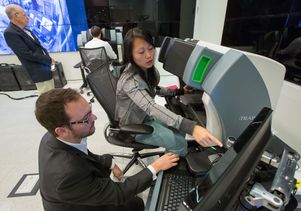
UCLA’s Center for Advanced Surgical and Interventional Technology is holding its first-ever, grand-scale robotic surgical training sessions over two days, concluding today.
The combination of two cancer-targeted therapies and immunotherapy helps a person’s immune system attack cancerous tumors and does so with fewer side effects.
Research at UCLA played key role in developing the treatment, which could signal a new strategy for arresting tumor growth and extending the time before cancer worsens.
Off-label prescriptions of medications and medical devices can be beneficial, but without rigorous study it is difficult to know what works and what doesn’t.
UCLA researchers found that although Prozac and Lexapro were thought to work the same way, the medications did not produce the same long-term changes in anxiety behavior.
UCLA study shows that combining palbociclib with letrozole effectively doubled the length of time women with estrogen receptor-positive breast cancer were on treatment without their cancer worsening.
UCLA’s Edward Garon, the study’s principal investigator, says the drug offers new hope for people with lung cancer who often have few treatment options.
Eighteen children with SCID have been cured of the disease after receiving the therapy in clinical trials at UCLA and the National Institutes of Health.
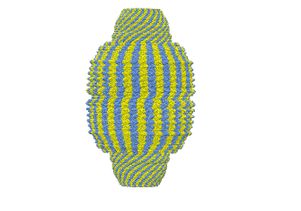
Developed by UCLA’s Dr. Leonard Rome and Dr. Steven Dubinett, the treatment combines an immunotherapy agent with a drug delivery nanotechnology using nanoparticles called vaults.