The meaning of friendship. AI and global economics. Social media and public health.
Oh, and a reminder to please flush the toilet.
Big ideas, provocative questions and a few unexpected laughs took center stage this spring as TEDxUCLA returned after a three-year hiatus, bringing together 10 UCLA faculty members, students, staff and alumni to share their insights, experiences and perspectives.
Organized and led by students under the theme “Renaissance and Revival,” the event at the Northwest Campus Auditorium explored everything from the future of artificial intelligence and life in a warming world to the importance of human connection and the lessons we can learn from the people around us.
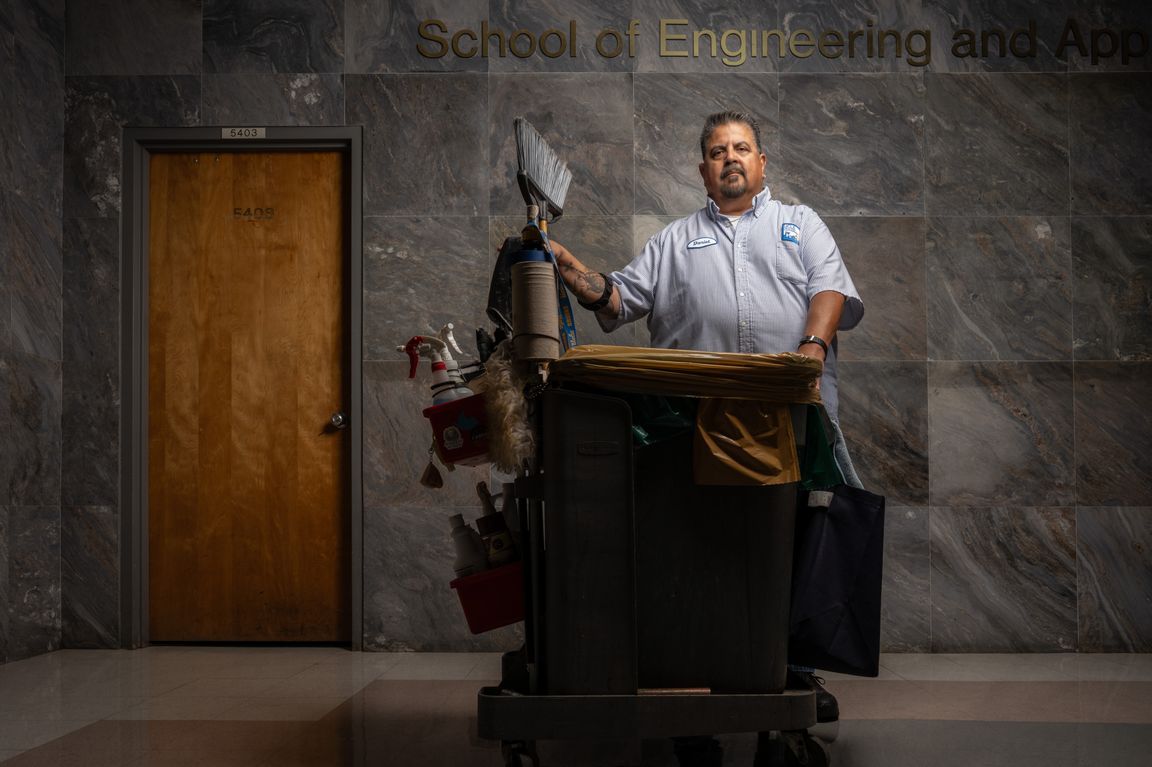
Among the highlights: a standing ovation for longtime UCLA custodian Daniel Estrada, whose funny and moving reflections on personal responsibility reminded the audience that some of life's biggest lessons come from the smallest things.
Missed the event? Or want to revisit a favorite talk? Watch all 10 presentations below and see which ideas stick with you.
The hospital harm we know how to prevent — but still don’t
Martin Burns, UCLA alumnus and CEO of Bruin Biometrics
Burns explains how a game-changing UCLA-developed technology can detect dangerous bedsores before they become visible — and why hospitals have been slow to embrace it.
♦ ♦ ♦
How to live in extreme heat
V. Kelly Turner, UCLA professor of urban planning and geography
Record-breaking heat might dominate headlines, but for most of us, hotter-than-usual conditions slowly cost our quality of life, and sometimes our health. Turner’s talk — a TEDx Editors Pick — walks us through a typical hot day — today, and in a future designed for living better with heat.
♦ ♦ ♦
What social media platforms don’t want you to know
Brett Brewer, UCLA alumnus and co-founder of MySpace
Brewer takes aim at an industry he helped build, arguing that social media companies have put profits ahead of children's mental health and demanding change.
♦ ♦ ♦
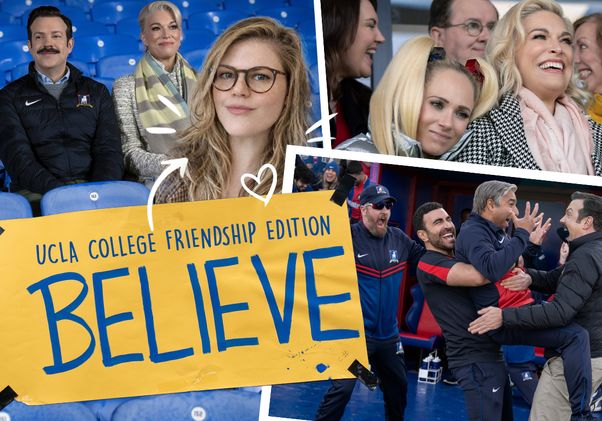
My friends dumped me — so I became a friendship scientist
Jaimie Krems, UCLA associate professor of psychology
Why do friendships matter so much to our health and happiness, yet get so little attention? Krems has answers and advice for building these essential connections and making them last.
♦ ♦ ♦
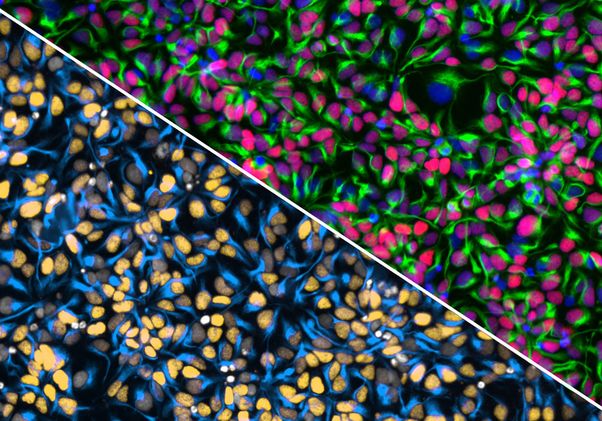
The ethics of seeing in the age of AI
Tiffany Barber, UCLA associate professor of African American art
Drawing on the groundbreaking work of W.E.B. Du Bois, Barber reveals how the way we visualize information shapes whose stories are told and whose are overlooked — and how this can reinforce bias, obscure lives and shape the future of artificial intelligence.
♦ ♦ ♦
What are you in the age of AI?
Sharad Aggarwal, UCLA alumnus and global head of strategic partnerships for AI and engineering solutions at Google Cloud
Aggarwal explores how artificial intelligence is transforming the workplace, arguing that instead of replacing human expertise, AI can free people to think bigger, create more and make better decisions.
♦ ♦ ♦
Great global rebalancing, nature crisis and cross-order AI agents
Raúl Hinojosa-Ojeda, UCLA professor of Chicana/o and Central American studies
Hinojosa-Ojeda explores three forces reshaping the world — the shifting economic balance between the Global North and South, the environmental crisis and the rise of artificial intelligence — and how AI could help bring new opportunities to communities long left behind.
♦ ♦ ♦
A janitor’s philosophy to work and life: Put your signature on it
Daniel Estrada, UCLA senior custodian
After 15 years cleaning up after some of the world's brightest students, Estrada has some provocative lessons about personal character, responsibility and doing things right, even when nobody's watching. Committing to everyday positive actions, even small ones, he says, can lay the foundation for greater achievements.
♦ ♦ ♦
Portrait of an engineer as a young artist
Celine Shaw, UCLA alumna, engineer and professional ballerina
Shaw brings science, art and centuries-old philosophy together to explore how curiosity and a love of learning can fuel creativity, resilience and personal growth in an increasingly complex world.
♦ ♦ ♦
Synesthesia: How seeing sound in color turned a feeling into a life
Corey Crossfield, UCLA executive MBA student and music industry executive
For Crossfield, the neurological condition of synesthesia makes music comes alive in color — an extraordinary way of experiencing the world that helped her discover love, belonging and the power of embracing what makes us different.