To understand how weather patterns behaved centuries ago, the researchers examined the rings of trees such as limber pines and bristlecone pines, the oldest living organisms on Earth.
“What we’ve learned is that the L.A. River can’t be everything to everyone all the time,” said Katie Mika, a UCLA postdoctoral scholar and author of the report.
“Climate Lab” — a six-episode video series on climate change from Vox and the University of California — is already getting plenty of attention although it's just getting started.
The funds will support the researchers’ efforts to develop a process for capturing carbon dioxide and converting it into a material that can be used in building and construction.
New state and local policies promoting energy use transparency, public transit funding and sustainable development make researchers are optimistic for improvement.
Scientists from UCLA and other universities developed a system that tests when global warming contributes to record-setting weather events, and to what extent.
This vernal equinox — the first day of spring — flora and fauna from Palos Verdes to the Yosemite Valley have been rejuvenated by a historically wet, snowy winter.
UCLA research shows that during future droughts human-induced climate change could all but eliminate California's snowpack, which supplies 60 percent of the state's water supply.
Alex Hall and Mark Gold say California’s infrastructure needs to be designed for how the state’s climate will be in the future, which likely means more rain and less snow.
Professor Alex Hall’s research shows that, as temperatures warm in the Sierra Nevada, a deluge could overwhelm California’s patchwork network of dams and reservoirs that currently supplies 60 percent of the state's water.
You can be among the 1,000 volunteer citizen scientists who will collect 18,000 samples of soil and aquatic sediment from across the state through a new University of California program called CALeDNA.
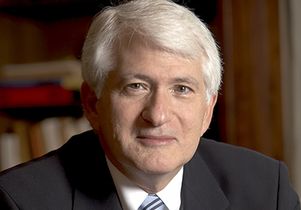
“As a university we have a deep commitment to research innovative solutions for tomorrow, to serve the greater public good and to educate the leaders of future generations,” said Chancellor Gene Block.
The drought is highlighting disparities in the price of water that vary widely, depending on who is supplying it in this archaic and complex water delivery system serving Southern California.
New research shows that a collapse of an ice sheet 14,000 years ago in what is now western Canada triggered a reorganization of the jet stream in a century — a geological blink of an eye.
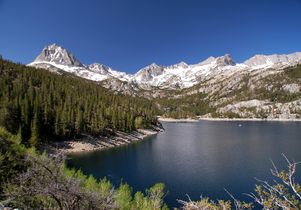
UCLA scientists are studying the Sierra Nevada's climate future using a technique to create simulations to predict outcomes under different circumstances and help them understand the physical reasons for the projected changes.