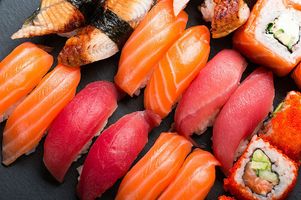
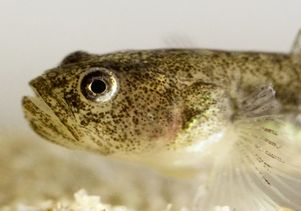
Almost half of the fish ordered at Los Angeles-area sushi restaurants turned out to be mislabeled, which has both environmental and public health implications.
Michael Ross, professor of political science at UCLA, spent the past four years studying fossil fuel policies across 157 countries. The analysis was published in Nature Energy.
DNA collected from tip of the base of the feathers enable the scientists to create fine-scale maps tracing the migration of species of birds so they can better focus conservation efforts.
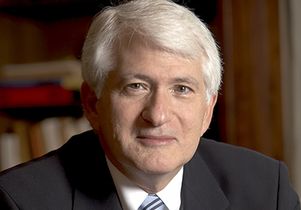
“As a university we have a deep commitment to research innovative solutions for tomorrow, to serve the greater public good and to educate the leaders of future generations,” said Chancellor Gene Block.
The drought is highlighting disparities in the price of water that vary widely, depending on who is supplying it in this archaic and complex water delivery system serving Southern California.
New research shows that a collapse of an ice sheet 14,000 years ago in what is now western Canada triggered a reorganization of the jet stream in a century — a geological blink of an eye.
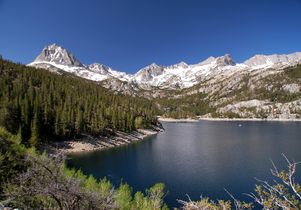
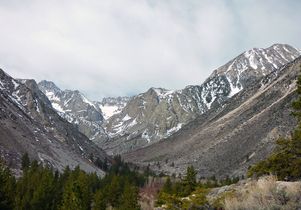
UCLA scientists are studying the Sierra Nevada's climate future using a technique to create simulations to predict outcomes under different circumstances and help them understand the physical reasons for the projected changes.
As life-changing as these new projects that voters approved on Nov. 8 might be, one of the region’s most critical infrastructure needs is still being largely ignored: water.
New reports show how to add 1.5 million people to the county while preserving the vast majority of the area’s character and staying lower density than Manhattan.
UCLA and Oregon State University scientists attribute the low levels to high temperatures caused by greenhouse gases and an enormous warm patch in the Pacific Ocean.
The Laboratory for Environmental Narrative Strategies, or LENS, aims to spur new thinking about the role of multimedia storytelling to drive sustainability.
Mark Gold criticizes the state’s decision to establish voluntary water conservation targets, and praises the continued drought reduction mandates of Los Angeles.
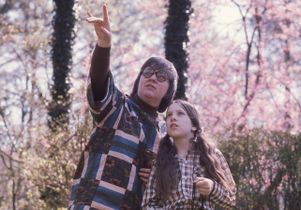
In ‘Imagining Extinction,’ English professor Ursula Heise asks why people care about endangered species, why some animals become symbols and what that reveals about us.
A new toolkit created by the UCLA Luskin Center for Innovation is designed to help communities navigate paths to improving the areas immediately around the river.
UCLA graduate student Osceola Ward leads Outward Bound trips for teens in underserved communities to give them the tools to make their voices heard on environmental issues.
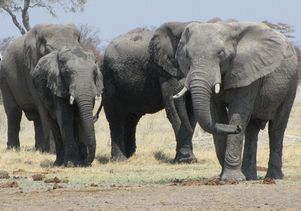
UCLA professor Blaire Van Valkenburgh said the animals in question “are all that is left of a once much more diverse megafauna that populated the planet only 12,000 years ago.”
A UCLA study crunched the numbers from more than 74,000 wine reviews in top magazines and, statistically speaking, environmentally friendly wine tastes better.
Magali Delmas, an environmental economist at UCLA, has been focusing on finding the most effective strategies to motivate people to change their behavior and conserve electricity.