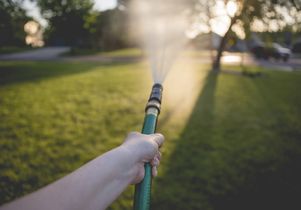
The new artificial turf on the intramural field and other places combined with drought-tolerant landscaping from five large projects, could save 11.3 million gallons annually.
UCLA has been recognized in three categories of the 2015 Energy Efficiency and Sustainability Best Practice Awards Competition from the California Higher Education Sustainability Conference.
Despite progress, dirty air and water are just the beginning of the region's environmental troubles. The findings, which are believed to be the most comprehensive environmental report card for any region in the nation, show the county needs tutoring to bring up its grades.
UCLA researchers looked at 22 indicators to determine grades in six main categories — water, air, ecosystem health, waste, environmental quality of life, and energy and greenhouse gases.
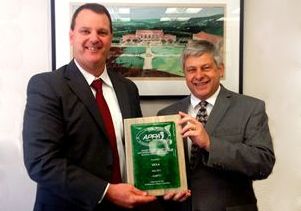
UCLA Transportation’s focus on alternative transportation and success in reducing traffic and emissions at UCLA won an award from the California Environmental Protection Agency
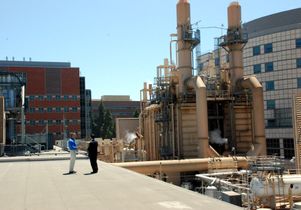
As the UC system marches toward its goal of carbon neutrality by 2025, UCLA is doing its part by using less energy in buildings, converting half of its fleet to alternative-fuel vehicles and adding LEED-certified green buildings.
UCLA joins the Billion Dollar Green Challenge with a $15 million fund dedicated to sustainability projects. The savings created by each project will help support the next.
With an organic salad bar in the middle of campus, one of the nation’s healthiest dining halls and a hospital cafeteria with an array of locally grown produce, UCLA is becoming an ever-easier place to eat sustainably.
On Oct. 22 and 23, Joseph Martinus, a fourth-year English major and professionally trained chef, will be presenting three interactive cooking demonstrations as part of UCLA’s Food Day celebration.
Demonstrations, film screenings, lectures and a special dinner are on the menu for campus consumers Oct. 22 - 24 as UCLA joins thousands of other organizations nationwide, including several UC campuses, to celebrate Food Day.
UCLA professor Tom Smith says human-driven evolution is creating drug-resistant diseases, pesticide-proof bugs and mass extinctions due to climate change. "We can either choose to manage evolutionary processes or not, but evolutionary change will proceed regardless."
Drug-resistant diseases, pesticide-resistant bugs and animals threatened by climate change are signs of human-driven evolution getting out of control. A multi-university team calls for solutions.
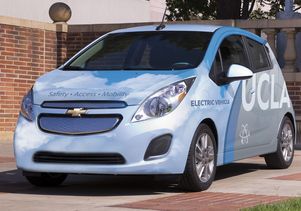
UCLA Transportation has added 41 electric vehicles to its fleet of eco-friendly vehicles, thanks to a generous gift from the Ray Fladeboe Trust. The donation brings the number of fully equipped EVs in use around the campus to 250-plus.
Among the group's other recommendations: household water meters that measure indoor and outdoor water use separately, and stronger incentives for drought-resistant landscaping.
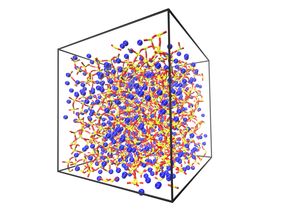
Professor Yoram Cohen suggests that water reclamation, water recycling and reuse could become very important for health and conservation in the future.
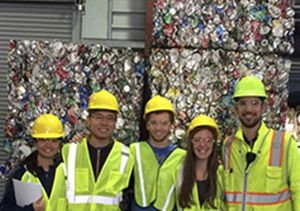
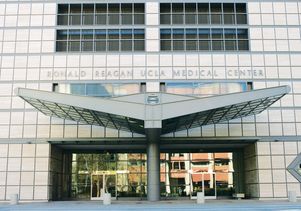
For the fourth straight year, the hospitals in Westwood and Santa Monica have been recognized by Practice Greenhealth for their efforts to recycle, eliminate mercury and reduce medical waste.
With the worldwide celebration of Earth Day taking place this week in more than 190 countries, a number of organizations have taken note of UCLA’s commitment to sustainability and environmental excellence.
Whether you're taking your first step toward alternative transportation or looking to green your already eco-friendly commute, these 10 New Year's resolutions will give you ideas for 2014.
A major new environmental research project is the first of UCLA's six Grand Challenges, which aim to address pressing societal issues through multidisciplinary innovations and breakthroughs.