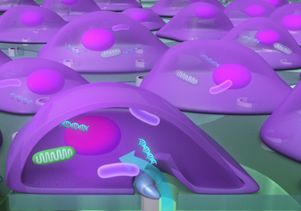
California NanoSystems Institute researchers have imaged the atomic structures of three specific biological nanomachines, findings they hope advance work on antibiotics targeted toward specific pathogens.
Graduate students and postdoctoral fellows in academic research laboratories report witnessing and experiencing fewer accidents and injuries when the lab’s lead faculty member or supervisor is actively engaged in safety programs, according to new UCLA ...
The results “have the potential to substantively change the way that lung cancer is treated,” said Dr. Edward Garon, a member of UCLA’s Jonsson Comprehensive Cancer Center.
Using a new stent retriever device in addition to a clot-busting drug led to a significant increase in the percentage of stroke sufferers who could function independently three months later.
Only 9 percent of academic medical practices in the U.S. have procedures to connect patients with LGBT-competent physicians; only 4 percent had policies to identify those physicians.
On the 40th anniversary of the Khmer Rouge’s proclamation of victory in Cambodia, UCLA demographer Patrick Heuveline has produced new estimates of the regime’s death toll between 1975 and 1979.
A majority of doctors surveyed believe ACA will steer the country’s health care in the right direction. Doctors’ stance on the law appeared to be closely correlated with their political affiliations and medical specialties.
The report from the Williams Institute at the UCLA School of Law shows that permitting same-sex couples to marry leads to more social acceptance of same-sex marriage, not backlash against it.
UCLA engineers and doctors developed a tool that can deliver nanoparticles, enzymes, antibodies and bacteria into cells thousands of times faster than current technology.
The report by UCLA and USC researchers informs an amicus brief supporting President Obama’s executive order shielding undocumented immigrants from deportation.
Despite progress, dirty air and water are just the beginning of the region's environmental troubles. The findings, which are believed to be the most comprehensive environmental report card for any region in the nation, show the county needs tutoring to bring up its grades.
UCLA researchers looked at 22 indicators to determine grades in six main categories — water, air, ecosystem health, waste, environmental quality of life, and energy and greenhouse gases.
Wealthier women living in communities with larger income gaps are most likely to get a test that can help determine the best way to treat early-stage breast cancer.
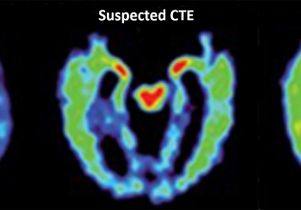
The research is another step toward the early diagnosis of CTE, a degenerative brain condition that affects athletes in contact sports who are exposed to repetitive brain injuries.
UCLA researchers showed that shock treatment changes certain areas of the brain that play a role in how people feel, learn and respond to environmental factors.
New compact, reliable energy storage devices outperform batteries by holding larger amounts of energy, recharging more quickly and lasting for longer recharge cycles.
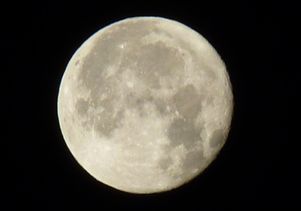
The moon does not influence the timing of human births or hospital admissions, a new UCLA study finds, confirming what scientists have known for decades.
Of 85 UCLA undergraduate students, only one correctly recalled the Apple logo when asked to draw it on a blank sheet of paper. Fewer than half correctly identified the logo when shown several options.