The concept of separating students by sex as a tool for education reform has fallen into a minefield of limited and dubious data as to its effectiveness.
With decades of experience in helping people with psychosis regain their place in society, UCLA neuroscientist Michael Green and his team of 10 psychiatrists, psychologists and other neuroscientists will look for ways to help formerly homeless veterans make the same transition.
The finding could be a cause for concern because many countries rely on the agency to help pay for vital health care services for people with the diseases.
A new UCLA study examining child health in the context of asset poverty indicates that household wealth is linked more closely to health disparity than income or education level.
The report by the UCLA Luskin Center for Innovation recommends seven steps to bolster available resources for people who are victims and to aid in prevention.
Politics and media experts from UCLA and Vanderbilt University are providing a data-backed understanding of commercials’ persuasiveness and effectiveness with a new rating system.
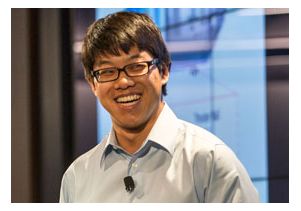
UCLA Engineering grad student Gary Li won $1K in the system-wide contest with an exciting, accessible, 3-minute speech about his research on how plasma thrusters could replace conventional rockets for space travel.
An earlier study had suggested that a class of drugs called anthracyclines might increase the risk for neuropsychological issues and cognitive difficulties.
A new study traces how a largely unfamiliar pathogen led to a global epidemic that has linked the virus to fetal brain-development disorders and Guillain-Barre syndrome.
Eventually, doctors might be able to analyze the levels and types of patients’ intestinal bacteria and then prescribe probiotics to bolster the amount of bacteria with anti-inflammatory properties.
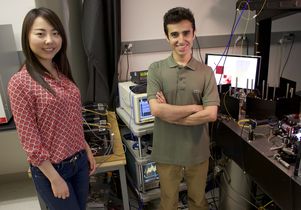
The device combines two components invented at UCLA: a photonic time stretch microscope and a deep learning computer program that identifies cancer cells with over 95 percent accuracy.
Already a leader in the field, UCLA will collaborate with five of the nation’s other top cancer centers in the Parker Institute for Cancer Immunotherapy.
UCLA biochemists have devised a way to convert sugar into a variety of useful chemical compounds without using cells and that could lead to the production of biofuels and pharmaceuticals.
The research found that the phenomenon holds true around the world — and that when people hear two women laughing together, they are likely to assume the women are friends.
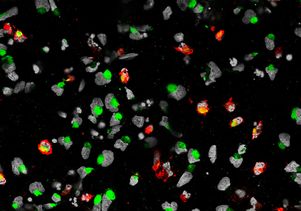
The new technique assesses how changes in a person’s immune response can help predict the effectiveness of a new therapy in people who have the most common and deadly type of brain cancer.
The new technique can accurately identify a person’s optimal drug and dose combinations throughout an entire course of treatment, without complex, time-consuming genetic analysis.
A new public service campaign will inform apartment tenants about the risks of secondhand smoke and provide tools for working with landlords on smoke-free policies.