UCLA in the News

Coverage of UCLA in the world's news media, aggregated daily

Results

How wildfire smoke affects animals in unique ways — and more UCLA media

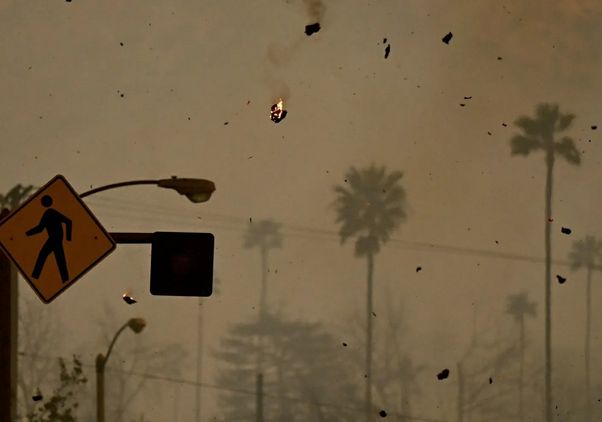
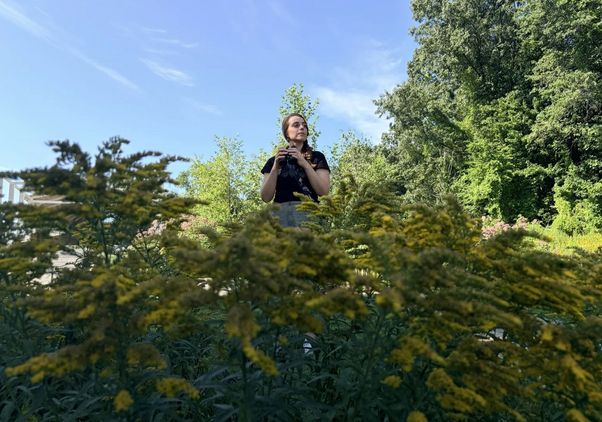
NPR spoke with UCLA ecologist Morgan Tingley about how birds may provide valuable data on the toxic effects of wildfires on both animals and humans. Tingley, a leader in the burgeoning field of smoke ecology, joins other scientists in rethinking traditional approaches to studying smoke, especially as the world experiences more wildfires. Read more about UCLA in today’s Fortune, Los Angeles Times and other outlets.

Southern California swelters as late-season heat wave smothers region — and more UCLA media

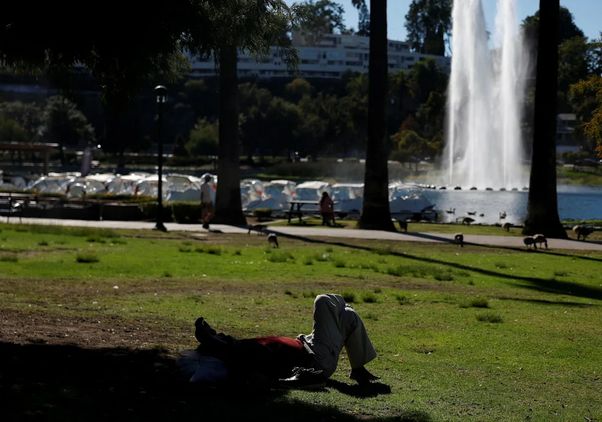
The Guardian reported on Southern California’s unusually severe fall heat wave, with temperatures running well above historical averages. UCLA professor V. Kelly Turner said Friday’s heat was nearly 7 degrees hotter than the previous record for Oct. 2, while UCLA atmospheric physicist David Neelin said that although individual events are difficult to attribute directly to climate change, a warmer climate makes heat waves more likely, more intense and longer lasting. Read more about UCLA in today’s New York Times Magazine, Los Angeles Times’ “De Los” and others.

Inside the U.S. Olympic pipeline: How universities create world-class athletes — and more UCLA media

Writing in the California Post, UCLA Chancellor Julio Frenk highlighted the critical role universities play in developing U.S. Olympic athletes and called for preserving a system that pairs elite competition with educational opportunity. With UCLA set to host the Olympic Village in 2028, Frenk warned that mounting financial pressures on college athletics could particularly threaten women’s and Olympic sports and narrow opportunities for future student-athletes. Read more about UCLA in today’s Los Angeles Times, Mercury News and others.

Meet the bizarre toad that ‘sees’ with its fingertips and gives birth through holes in its back — and more UCLA media

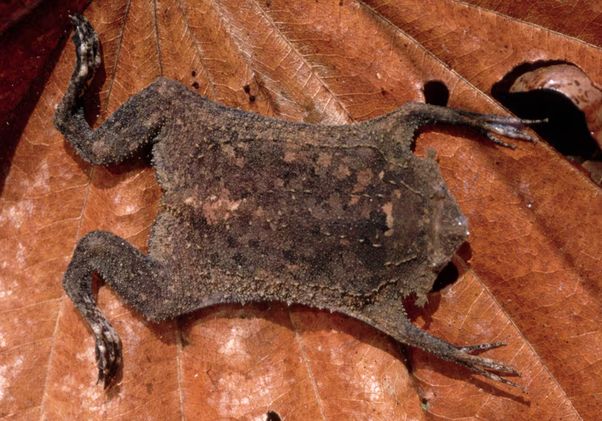
CBC Radio covered a new study by UCLA neurobiologist Duncan Leitch and his colleagues that found the Surinam toad — commonly called a star-fingered toad — uses its fingertips to sense tiny movements in the water made by nearby prey. “Frogs have four fingers on their hands,” Leitch told “Quirks & Quarks” host Bob McDonald. “Those [fingers] split into four different lobes on each of the fingertips, and then, subsequently, each of those lobes split four times again in sort of this fractural pattern.” Read more about UCLA in today’s Los Angeles Times, Associated Press and others.

Testing finds elevated levels of metals in LA River after Boyle Heights warehouse fire — and more UCLA media

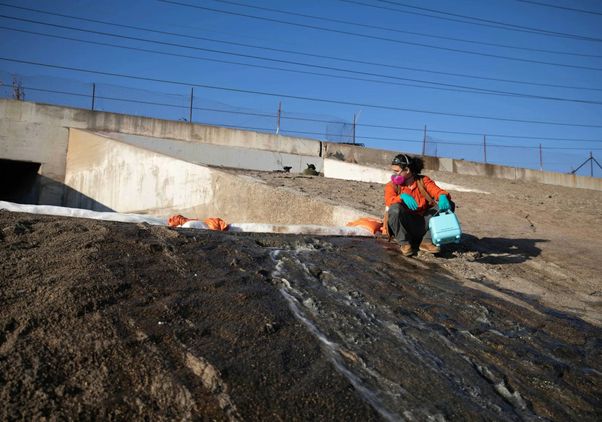
The LA Local reported that a study co-authored by UCLA researchers found elevated levels of iron, zinc, chromium and lead in the Los Angeles River following a fire at a Boyle Heights cold-storage facility. Yoshira Ornelas Van Horne, an exposure scientist and assistant professor at the UCLA Fielding School of Public Health, said the long-term health impact is unclear because researchers don’t know how frequently people may have been exposed to the river water. Read more about UCLA in today’s Associated Press, Forbes and others.

Is AI killing jobs for college grads? Not yet, new study says — and more UCLA media

The Washington Post reported on new UCLA findings indicating there has not yet been an AI-powered spike in unemployment among recent college graduates, based on statistics from June to August. The paper is among the first attempts to examine the impact of AI on the graduating class of 2026, whose students gained access to ChatGPT by the end of their first college semester. Read more about UCLA in today’s San Francisco Chronicle, Associated Press and others.

Inside the UCLA Bollywood dance team that inspired ‘Best of the Best’ — and more UCLA media

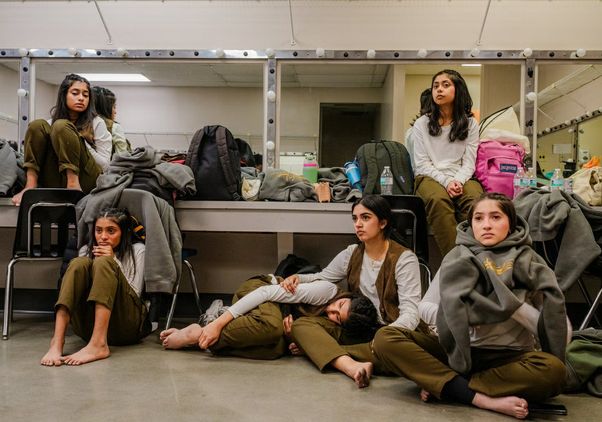
Today's New York Times profiles Nashaa, one of UCLA’s Bollywood-fusion dance teams and an inspiration for the new Netflix comedy “Best of the Best.” Through photos documenting auditions, late-night rehearsals and competitions, the piece explores how the team gives South Asian students a way to connect with their culture and build community. Read more about UCLA in today’s New York Times, Southern California News Group, and other outlets.
Eaton fire made air toxic downwind, but not for long — and more UCLA media

City News Service reported on a UCLA study that found smoke from the 2025 Eaton fire sent toxic airborne contaminants soaring downwind — including lead levels up to 250 times above normal — but pollution returned to background levels within roughly six days after the flames were extinguished. (UCLA’s Suzanne Paulson and Catherine Banach were quoted). Read more about UCLA in today’s USA Today, Los Angeles Times and others.

New poll gives Nithya Raman an 11-point lead over Karen Bass in LA mayor’s race — and more UCLA media

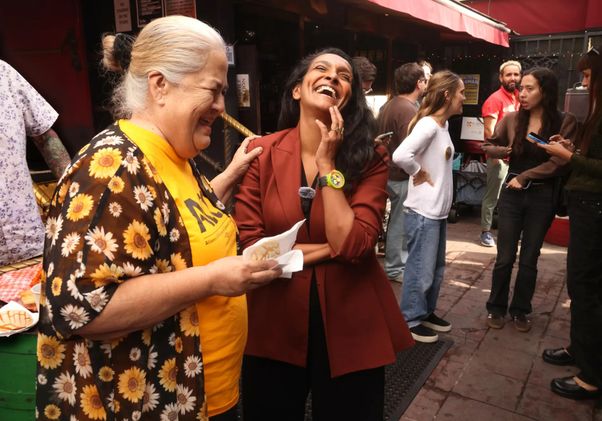
A new poll shows LA City Councilmember Nithya Raman leading Mayor Karen Bass by 11 percentage points, the Los Angeles Times reported, with a third of likely voters still undecided. Zev Yaroslavsky, director of the Los Angeles Initiative at the UCLA Luskin School of Public Affairs, said the results provide a significant political boost for Raman and called the poll’s release “not a good day for the mayor.” (Yaroslavsky was also featured by KCBS-TV — approx. 2:40 mark.) Read more about UCLA in today’s Bay City News Service, BBC and others.

From ‘looksmaxxing’ to ‘parasocial,’ here are the new words Merriam-Webster added — and more UCLA media

HuffPost spoke with UCLA sociolinguist Daria Bahtina about the 14,000 words and definitions Merriam-Webster recently incorporated into its dictionary. Bahtina said the clearest trend in the new list is how much vocabulary now documents digitally mediated life, but that there is also a thread including words that name experiences, relationships and social types. “We clearly enjoy having compact ways to recognize both who we are and the kinds of people and experiences around us,” she said. Read more about UCLA in today’s Time, CNN and others.

UCLA named No. 1 public university in the country by U.S. News & World Report — and more UCLA media

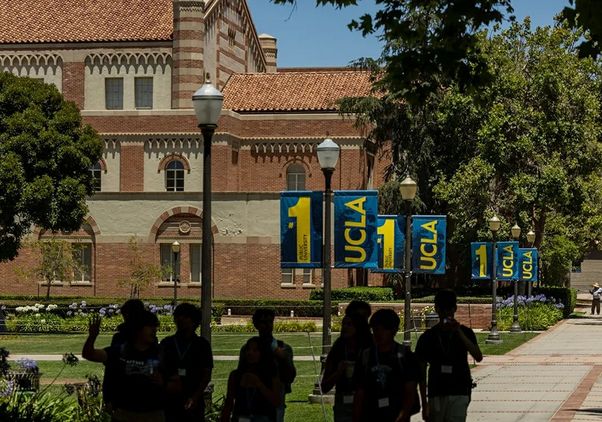
NBC News reported that UCLA was named the No. 1 public university in the country by U.S. News & World Report, tying with UC Berkeley. UCLA was recognized for its graduation rate, faculty resources, performance and several other factors. In addition to the top public university title, UCLA was also named No. 1 among public universities for veterans. Read more about UCLA in today’s Associated Press, New York Times, Spectrum News 1 and others.

Can California’s toughest oaks help its forests survive climate change? — and more UCLA media

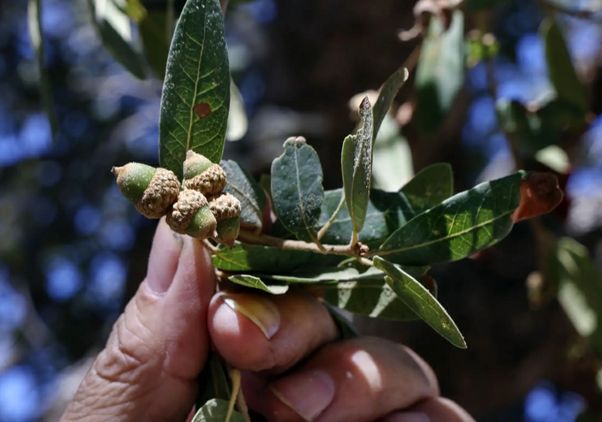
The Los Angeles Times covered efforts to restore California’s disappearing oak canopy, including a partnership that utilizes research by Victoria Sork, director of the UCLA Mildred E. Mathias Botanical Garden and a distinguished professor of ecology and evolutionary biology. Sork’s lab is sequencing oak DNA to identify trees best equipped to survive a hotter, drier climate. The goal: to use their acorns to grow a more resilient generation of oaks. Read more about UCLA in today’s Smithsonian magazine, CBS News and others.

King Charles hosts AI summit — and more UCLA media

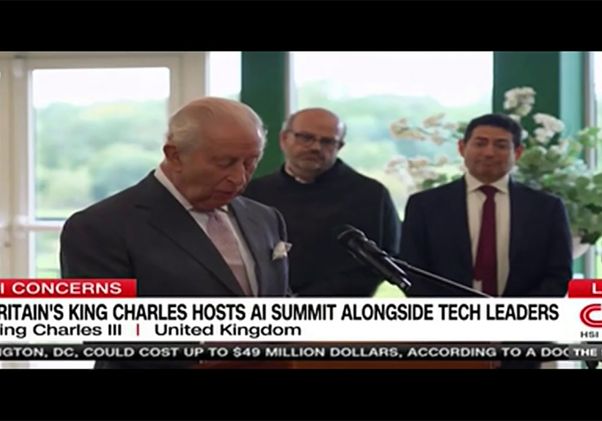
Chris Mattmann, UCLA’s chief data and artificial intelligence officer, spoke on CNN’s “The Story Is: With Elex Michaelson” about AI safety concerns — a hot topic — as King Charles hosted a summit Thursday with global tech leaders. “Since May 2026 of this year, Anthropic published a blog, and they said at that point 80% of the code that Anthropic was actually generating for Claude, its own AI chatbot, was being generated by Claude itself,” Mattmann said. Read more about UCLA in today’s AsAmNews, NPR’s “All Things Considered” and other outlets.
New evidence shows you are only slightly hotter than a T. rex — and more UCLA media

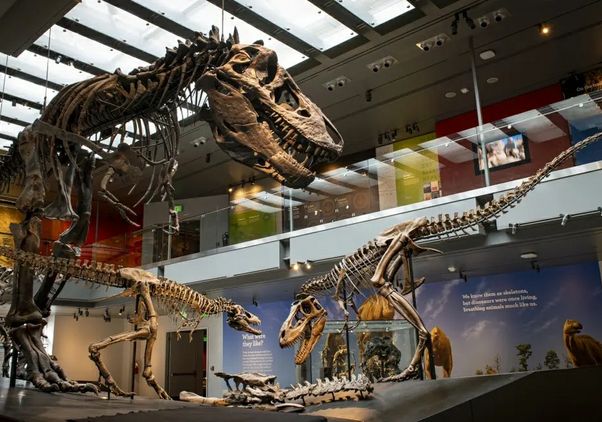
The Los Angeles Times covered a UCLA study that measured Tyrannosaurus rex’s temperature for the first time and found it to be 97 degrees Fahrenheit, similar to humans. Scientists used a new method to measure body temperature using the remains of “Thomas,” the resident T. rex at the Natural History Museum of Los Angeles County. Study co-author Robert Eagle, an associate professor at UCLA’s Institute of the Environment and Sustainability, said the technique provides a direct window into physiology that researchers haven’t had before. Read more about UCLA in today’s Associated Press, HuffPost and others.

Kia, Hyundai face $1 billion in lawsuits over easy-to-steal cars after 9th Circuit ruling — and more UCLA media

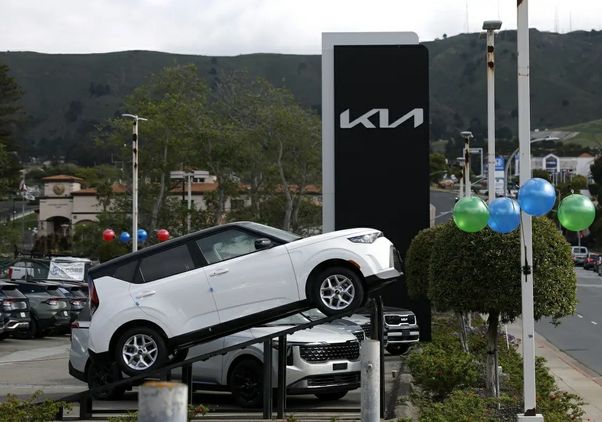
The Los Angeles Times cited a new UCLA study showing that thefts of certain Kia and Hyundai models lacking engine immobilizers could plague Los Angeles through 2042, according to lead author Jeffrey Brantingham. The study comes as a federal appeals court has ordered the reopening of a case in which U.S. insurance companies are seeking reimbursement from the automakers for more than $1 billion in theft-related claims. Read more about UCLA from New York Times, LAist and others.

Potential dark matter detection sparks hope in search for elusive substance — and more UCLA media

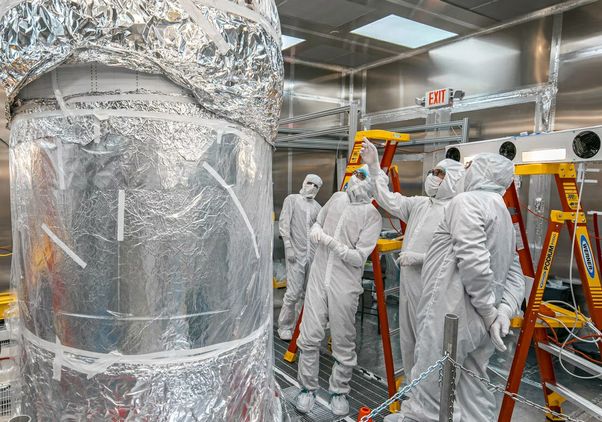
CNN reported on an intriguing signal detected by the LUX-ZEPLIN experiment that could offer a clue in the decades-long search for dark matter. UCLA physicist Alvine Kamaha, who helped build the detector, cautioned that one event is not enough to claim a discovery but said a confirmed detection would open “an entirely new area of particle physics.” Read more about UCLA in today’s Washington Post, The Conversation and others.

New K-Town Archive preserves the stories of Koreatown’s diverse communities — and more UCLA media

LAist reported on the new K-Town Archive, a partnership with UCLA that preserves oral histories, photographs and other materials documenting life in and around Koreatown. UCLA professor David Shorter helped develop the archive as the first community-specific sister site of UCLA’s Archive of Healing, allowing Koreatown stories to become part of the larger collection. Read more about UCLA in today’s Associated Press, NBC News and others.

These strange, flat frogs can ‘see’ with their fingers — and more UCLA media

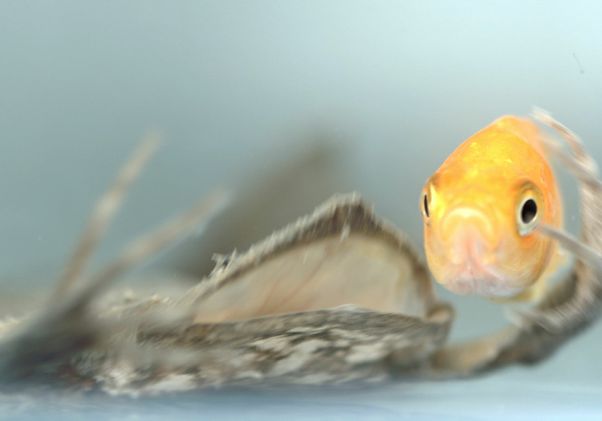
KTLA-TV reported that UCLA biologists have solved a centuries-old mystery surrounding the hunting habits of Surinam toads, which live in the murky water of the Amazon basin. The frogs’ vision is poor, but the UCLA team discovered that strange lobes on their fingertips are as sensitive to touch as those of humans and can detect nearby prey by sensing water movement. The frogs then snap open their jaws to create suction and swallow their prey whole. Read more about UCLA in today’s Discover Magazine, Popular Mechanics and others.

Tuition-free UCLA Extension courses open new career pathways in South LA — and more UCLA media

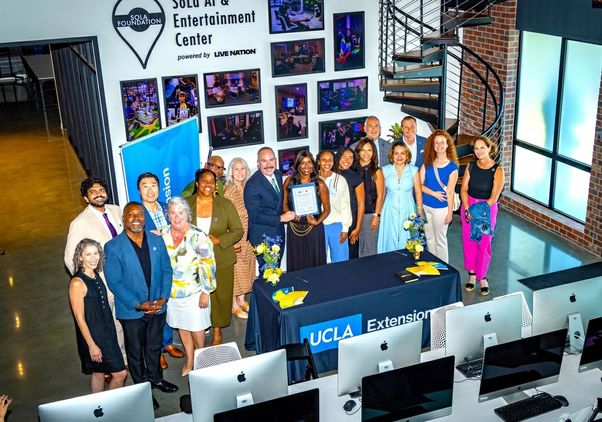
The Los Angeles Sentinel reported on a new partnership between UCLA Extension and the SoLa Foundation offering tuition-free courses to South Los Angeles residents. Held at the foundation’s Crenshaw campus, courses in fields including AI, entrepreneurship and project management aim to provide residents with marketable skills and new pathways to career advancement. Read more about UCLA in today’s Bloomberg Law, USA Today and others.

OpenAI says it has solved one of math’s 'Millennium Problems' — and more UCLA media

A CNN story on OpenAI’s announcement that one of its AI models had solved one of seven famously difficult and unsolved questions in the field of math quoted UCLA mathematics professor Terence Tao, who expressed concern about using such models to solve complex math problems. “The indiscriminate use of AI is turning the subject into a meaningless production quota ‘game’ that ultimately is of very little benefit, either to mathematics or to the world,” he said. Read more about UCLA in today’s New York Times Magazine, Inside Higher Ed and other outlets.
Mail-in voting fight heads back to the Supreme Court — and more UCLA media

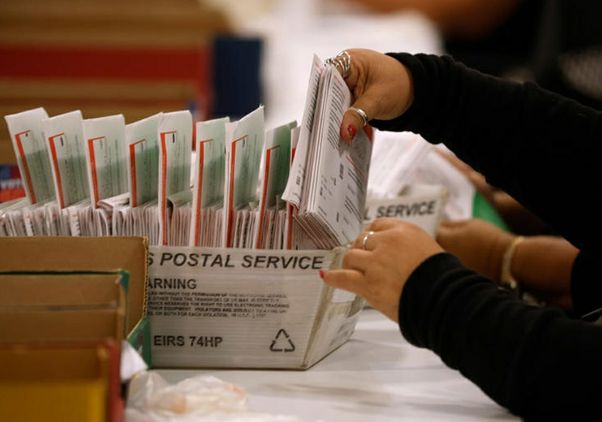
Newsweek interviewed Rick Hasen, director of the Safeguarding Democracy Project at UCLA School of Law, in an article on the Trump administration’s request that the Supreme Court allow new Postal Service restrictions on mail-in ballots to take effect ahead of the November midterm elections. Hasen has argued that the president does not have the authority to reshape mail-in voting by executive order. (Hasen was also featured by NPR’s “Morning Edition” and The Washington Post.) Read more about UCLA in today’s New York Times, KQED-FM and other outlets.
How Black women inspired Gloria Steinem’s feminism — and more UCLA media

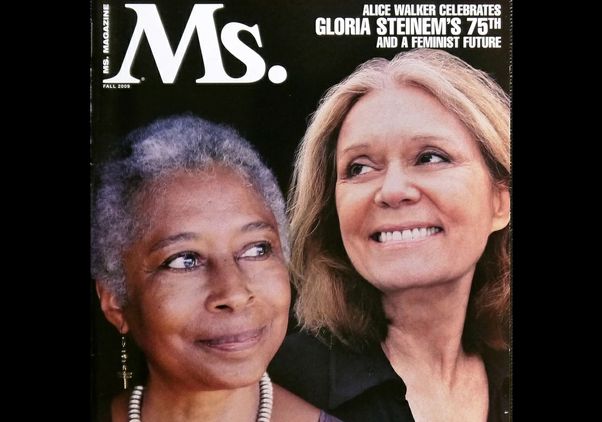
KCRW 89.9-FM’s “Press Play” spoke with UCLA law professor Kimberlé Crenshaw about the life and legacy of feminist icon Gloria Steinem, who died this week at age 92. Crenshaw, a leading scholar on race and feminism who knew Steinem well, said Steinem was always clear that her feminism had been shaped by Black women. She also reflected on the connections Steinem drew between attacks on reproductive rights, trans people, immigrants and Black people. Read more about UCLA in today’s Los Angeles Times, CBS News and others.

Nearly 6,000 unhoused people could be affected by LA Olympics security plans — and more UCLA media

LAist reported on a new UCLA study that estimates nearly 6,000 unhoused people live within a mile of 2028 Olympic and Paralympic Games venues, more than three times an earlier estimate from Los Angeles County. UCLA’s Randall Kuhn and colleagues calculated the figure using the county’s homeless count and potential Olympics security perimeters. Jessie Chien, a research data analyst with UCLA’s California Center for Population Research who assembled the estimates, said the findings highlight how many people could potentially be affected. Read more about UCLA in today’s New York Times, Variety and others.

What’s fueling the intense monsoon rains behind the Grand Canyon flooding? — and more UCLA media

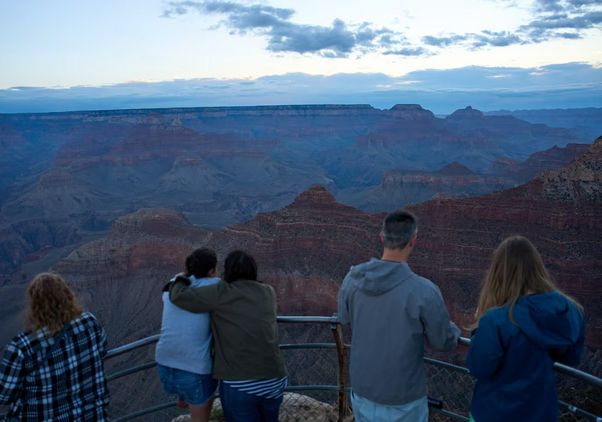
The Associated Press reported on the deadly flash flooding that swept through the Grand Canyon over the weekend, killing at least two people and forcing the rescue of nearly 80 others. UCLA hydroclimatologist Park Williams talked about how a strong El Niño this year may have contributed to the floods. Read more about UCLA in today’s Santa Monica Daily Press, The Conversation and other outlets.

Did scientists just find a clue in the hunt for dark matter? — and more UCLA media

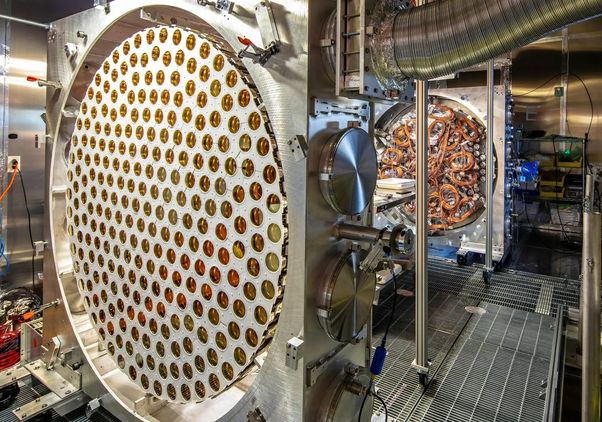
The New York Times reported on the LZ Dark Matter Experiment, which detected a particle interaction that researchers say does not fit the profile of other known interactions, though they are not claiming to have detected dark matter. Alvine Kamaha, a UCLA physicist who helped oversee construction of the detector, compared the decades-long effort to identify the elusive substance to “looking for a needle in a haystack.” The detector, located nearly a mile underground to shield it from radiation and other interference, has since collected substantially more data that researchers hope will shed light on the mysterious signal. (Kamaha was also quoted by Reuters.) Read more about UCLA in today’s USA Today, CNN and others.
Load More Items Loading...