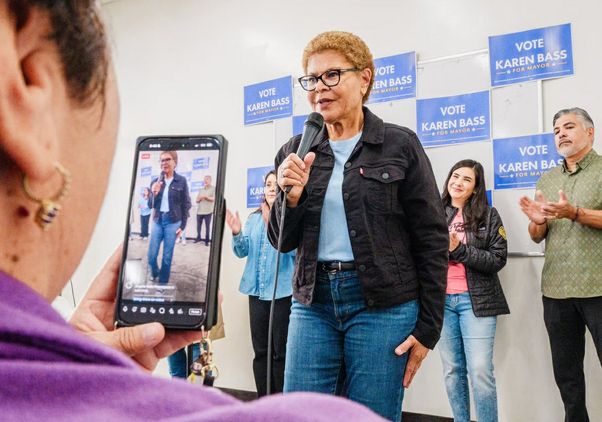
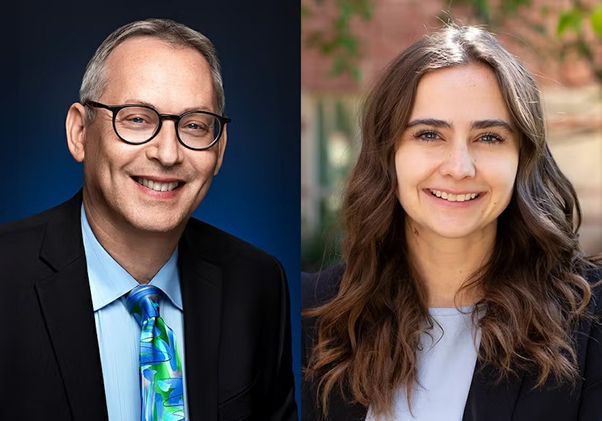
The New York Times interviewed UCLA’s Jim Newton and Zev Yaroslavsky about the political challenges facing Los Angeles Mayor Karen Bass as she seeks reelection against City Council member Nithya Raman. Criticism of Bass’ response to the 2025 wildfires has complicated her bid for a second term, but a large number of undecided voters could determine the outcome. The article also cited a UCLA Luskin School of Public Affairs survey on Angelenos’ declining satisfaction with their quality of life. Read more about UCLA in today’s Time, Forbes and other outlets.
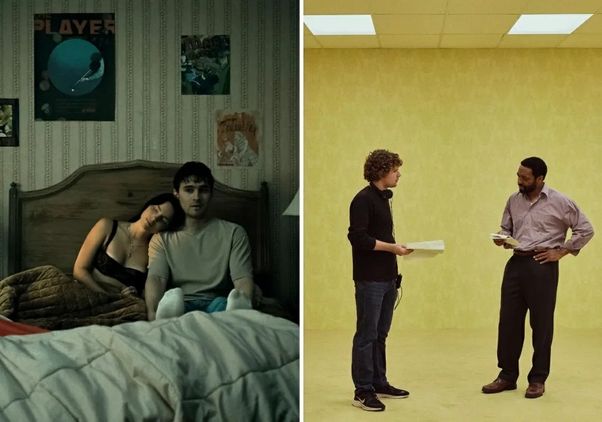
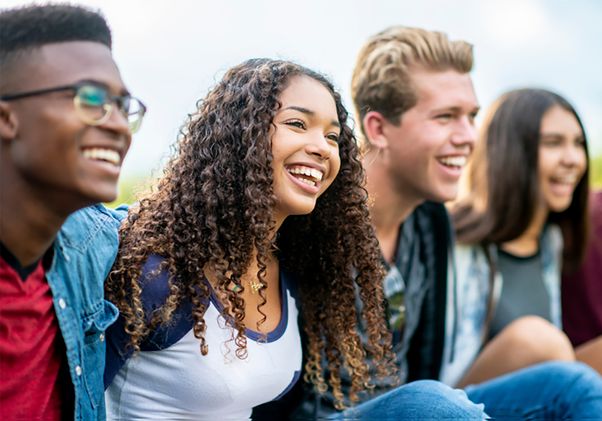
Variety reported on a new study by the Center for Scholars & Storytellers at UCLA examining how young audiences consume stories and what they want from entertainment. UCLA psychology professor Yalda T. Uhls, the center’s founder and CEO, said the findings show that young viewers are more discerning than Hollywood executives might realize, with many favoring unknown actors, more diverse representation and storytelling beyond traditional movies and television. Read more about UCLA in LAist, Education Week and other outlets.
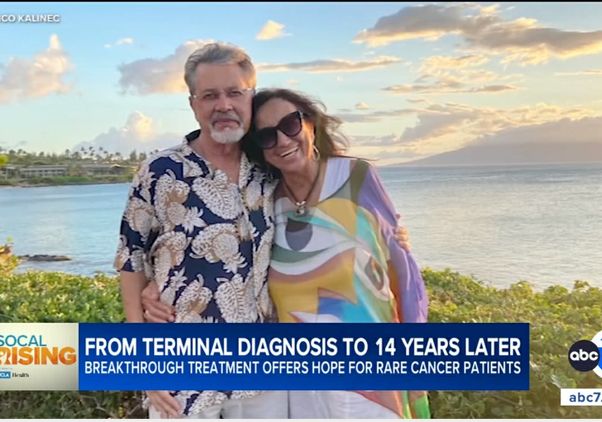
KABC-TV profiled a patient who has survived 14 years after being diagnosed with a rare form of pancreatic cancer, thanks in part to surgery and an innovative treatment at UCLA. UCLA’s Dr. Timothy Donahue explained how the targeted treatment attacks cancer cells and highlighted a new research initiative aimed at expanding therapy options for patients with the disease. Read more about UCLA in today’s Los Angeles Times, Spectrum News 1 and other outlets.
The annual awards recognized outstanding reporting on topics ranging from the Trump administration’s financial dealings to the global race for artificial intelligence.
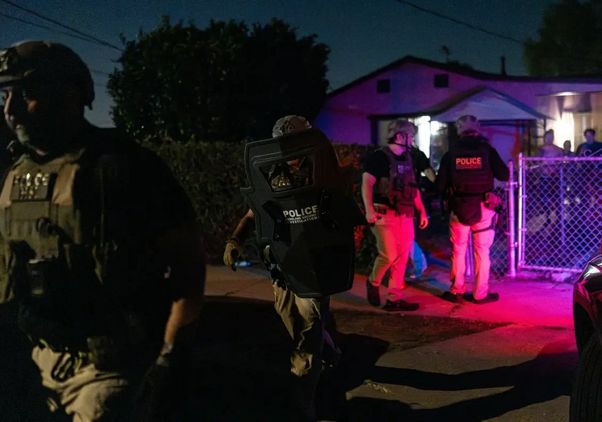
The Los Angeles Times reported on 28 people charged with federal election-related crimes in California, some of whom said they had no recollection of registering to vote. Rick Hasen, director of the Safeguarding Democracy Project at UCLA School of Law, noted that voter registration errors can occur accidentally and that prosecutors must prove willful violations of federal law. Read more about UCLA in today’s KCRW 89.9-FM, KNBC-TV and other outlets.
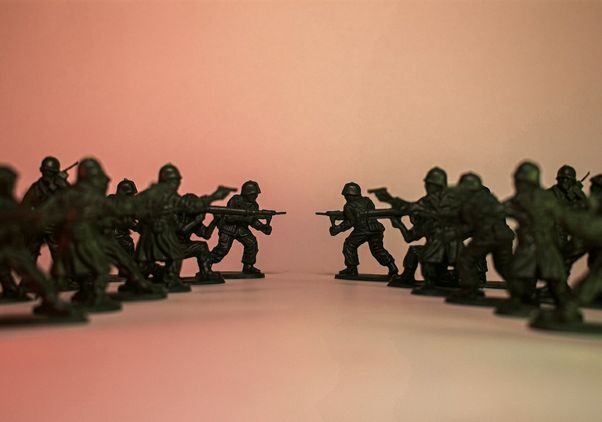
A UCLA-led study finds that in military confrontations, misunderstanding an opponent’s intentions can fuel conflict — while something as simple as a shared boundary can help stop it.
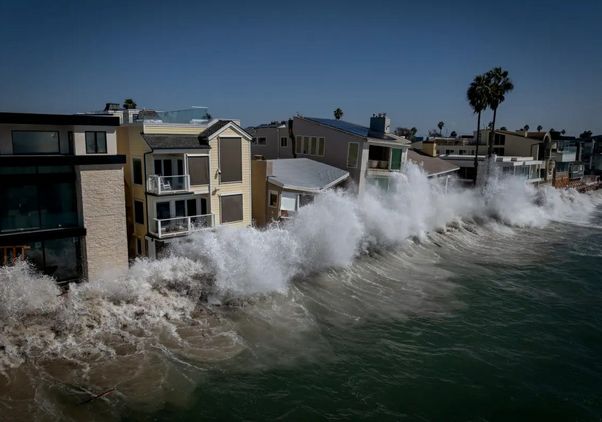
The Los Angeles Times examined the growing threat of coastal flooding in California as rising sea levels and powerful ocean conditions put beaches, homes and infrastructure at risk. Timu Gallien of UCLA’s Coastal Flood Lab warned that upcoming conditions could break water-level records and potentially damage piers, breakwaters and jetties, while noting that many communities remain focused on temporary fixes rather than long-term solutions. Read more about UCLA in today’s Business Insider, Associated Press and other outlets.
UCLA sociologist Aliza Luft explains how polarizing factors could shape the midterm elections — and why Americans may have more in common than they think.
Health economist Susan Ettner, physician-scientist Donald Kohn and cancer researcher Dennis Slamon are among the 100 new members of the academy’s class of 2026.
UCLA Law’s Rick Hasen and Shelby Wayment cut through the noise, explaining what voters should watch for, what could go wrong and why there’s reason for optimism.
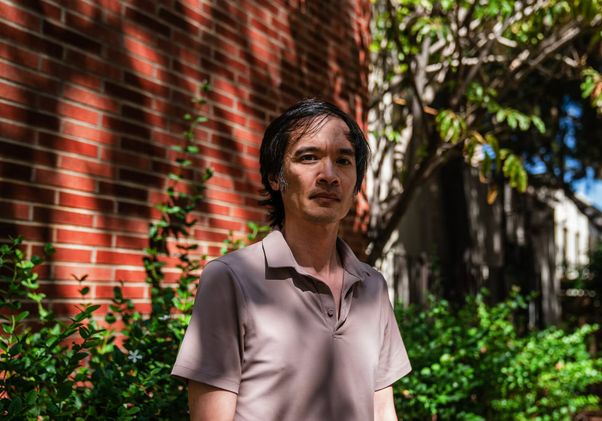
The New York Times profiled UCLA mathematician and Fields Medal recipient Terence Tao, who has emerged as a leading voice in the debate over AI’s rapidly growing role in mathematical research and its impact on younger scholars. The article also featured UCLA professors Andrea Bertozzi and Dimitri Shlyakhtenko, as well as Tao’s graduate students Ben Goldman, Siddharth Mulherkar and Arian Nadjimzadah. Read more about UCLA in today’s Washington Post, CNN and other outlets.
The Los Angeles Times reported that the Justice Department is pressing California election officials to verify the citizenship of thousands of flagged voters or set aside their ballots ahead of the November midterm elections. Rick Hasen, director of the Safeguarding Democracy Project at UCLA School of Law, questioned the legality of the demand, noting that federal law restricts systematic voter purges within 90 days of an election to protect eligible voters from being mistakenly disenfranchised. Read more about UCLA in today’s New York Times, LAist and other outlets.